

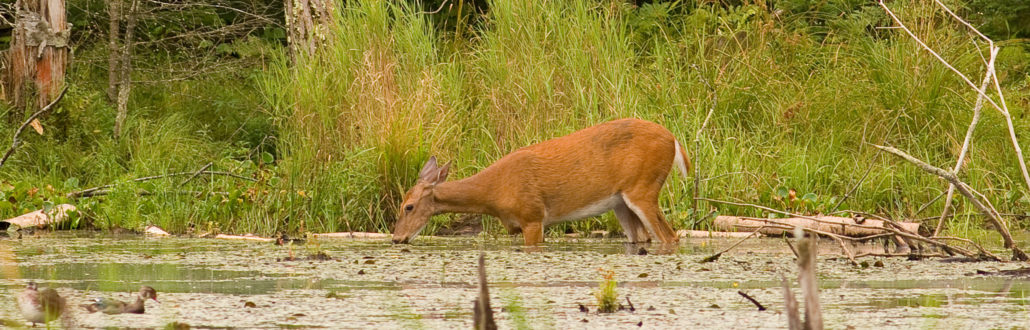
In these parts, wild game commonly crosses our paths. Turkeys browse in harvested fields and oak woods all winter. Canada geese, more common than anyone expected before they made a comeback in the latter half of the 20th century, litter our parks, golf courses and wetland edges. And white-tailed deer seem to be everywhere, in our pastures and woodlands, our backyards and parklands, even crossing roads ahead of our cars with little warning.
While commonplace in our communities, many people may not be aware of the food value white-tailed deer offer. Some, of course, already understand and value their homegrown provenance, and cherish ways they can enrich our diets. I’m one of those people, from a life in the outdoors. For almost five dozen autumns I’ve hunted deer, and for that many winters I’ve enjoyed the sustenance they offer.
In the southwestern and western parts of the state, our agricultural fields and woodlots offer prime deer habitat, some of the best in Wisconsin (and the country too). Deer abundance is both a blessing and a curse. Hunters statewide spend over a billion dollars a year in their pursuit, and the hunt is an important part of our rural culture. Motorists hit and kill thousands of deer on our highways. Farmers face crop damage and often obtain permits to thin the herd in their area, beyond the hunting harvest.
In an L-shaped swath of counties extending from Madison west to the Mississippi and north of La Crosse, last year gun hunters brought home over 60,000 deer, and bow- and crossbow-hunters roughly 15,000 more. My own county, Vernon, has an estimated deer population over 30,000. Statewide, the Wisconsin Department of Natural Resources (DNR) estimates we have over 1.6 million deer.
Deer meat, or venison, is leaner than other red meat like beef. A 3-ounce serving of venison contains about 136 calories and 3 grams of fat while a 3-ounce serving of 80% lean ground beef has about 216 calories and 13 grams of fat. Both have similar amounts of cholesterol, iron, vitamin B12, and other nutrients. Venison has slightly more protein than beef (26 gms/3 oz. vs. 22).
What does that tell me as a cook? I need to consider adding sauces or selected fats to keep venison moist and bring out its flavors. For ideas, I often look to older European recipes. In the period prior to 1800, European nobility relied heavily on wild game like stag and boar for meat. The castle chefs developed sauces to serve with them (which in those pre-refrigeration days may also have served to cover strong tastes of “aged” meat). After that era and the rise of restaurants and domesticated meat, cooks used farm-raised pork, beef and other meats. Today, you can pick meats from farm-raised sources, or you can turn to wild meats like venison and, in effect, modernize those old castle-cooked recipes. I enjoy making venison sauerbraten, schnitzel and parmigiana for guests.
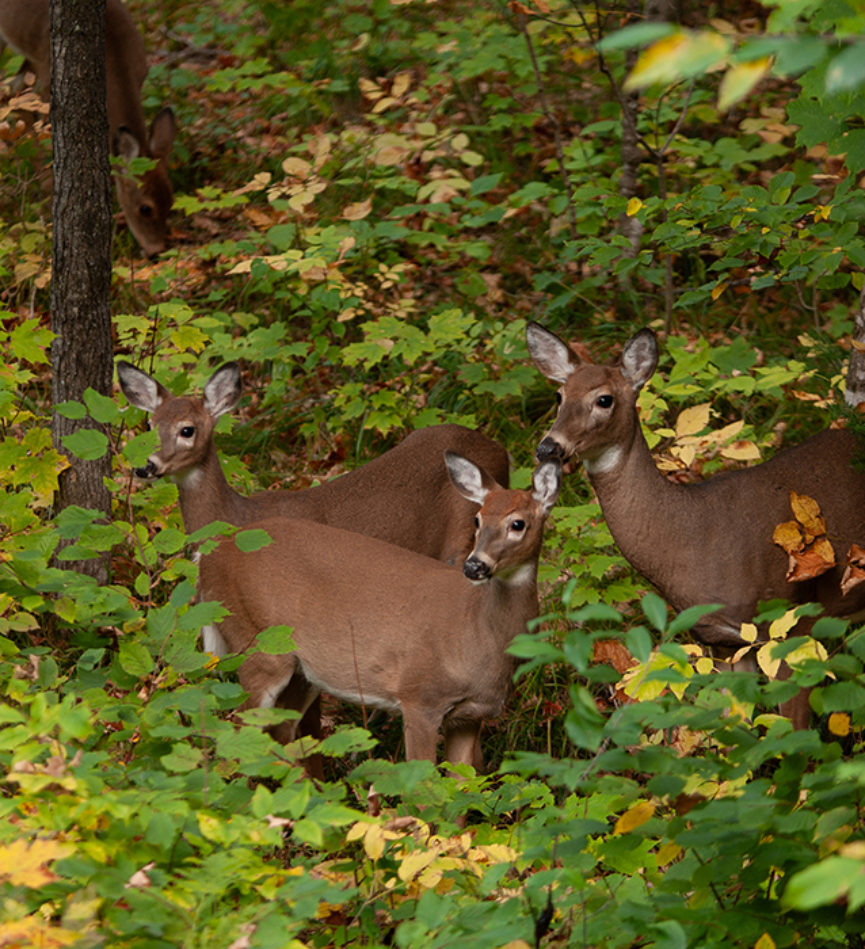
How are you going to find venison on your own? You could take up hunting. Archery seasons run from mid-September through mid-January and the main gun season from the Saturday before Thanksgiving to the Sunday afterwards, followed by a muzzleloader season. Wisconsin’s DNR offers “Learn-to-Hunt” workshops and beginner hunts. To hunt with a rifle, shotgun or handgun, you’ll need to take a hunter safety course, offered in hundreds of communities around the state. You’ll need to find a place to hunt, which in some parts of the state often involves finding a landowner willing to permit it. Finding a mentor who hunts and will supervise you is an important path to follow. But many, many people come to the sport on their own and enjoy it immensely. My sister wasn’t encouraged by the older men in our family to learn to hunt, but at 35 she decided it was time to learn. My brother and I helped her along, as did a DNR workshop, and her first season she killed a pair of deer. She learned from a video how to cut them up herself and has become a first-rate hunter and venison cook. Now her daughter, sons and granddaughters all hunt as a family activity.
Many deer hunters don’t eat venison but instead donate the meat. Each year hunters kill hundreds of deer which they donate to food pantries after butchers process the meat into ground venison, providing tons of protein to folks who need it. Still, many hunters would be glad to share some butchered venison with you, or even drop off a freshly-killed deer to someone who wanted to put it to use. Talk to co-workers or neighbors and you may find some meat to put to use. Even the DNR wardens in your county might have a list of people who would use a deer confiscated from a poacher, and would call you when your name comes to the top of the list. Then you’d have a choice of taking it to a butcher and having it cut to your direction, or learning to cut it up yourself.
It should be noted that for the last 20-plus years, Wisconsin deer—especially in our area—have been exposed to a disease called chronic wasting disease (CWD), which is always fatal to the deer. It first showed up in 2002 in deer around Mt. Horeb, in western Dane County, but has spread and is now infecting a third or more of deer populations in Iowa, Dane and Richland counties. It has not been shown to be harmful to humans, but it has some relationship to scrapie, a fatal degenerative disease in sheep and goats, that somehow “jumped” to deer and elk at a captive research facility in Colorado. In Europe in the 1990s, a similar disease jumped from sheep to beef, and a rare variant also caused human deaths. So the upshot is that we don’t know whether CWD will ever jump from deer to any other species, including humans, but I always recommend caution.
Since CWD was found in Wisconsin, more rapid testing has become available, and you can send in a sample from a deer and have it analyzed for free in a short time. My practice is to test any deer I have killed, whether it’s from an area with CWD cases or not, and to not eat it or feed it to my family until it’s been tested and found negative for CWD. Of over 40 deer I’ve killed since 2003, none have tested positive.
Whether you see the abundance of deer in Wisconsin as a blessing or curse, one thing most of us can agree on is the incredible value venison holds as a local food source, filling freezers across the state and providing a year-round bounty. One that, if cooked right, can bring nutrition and joy to the table in all seasons.
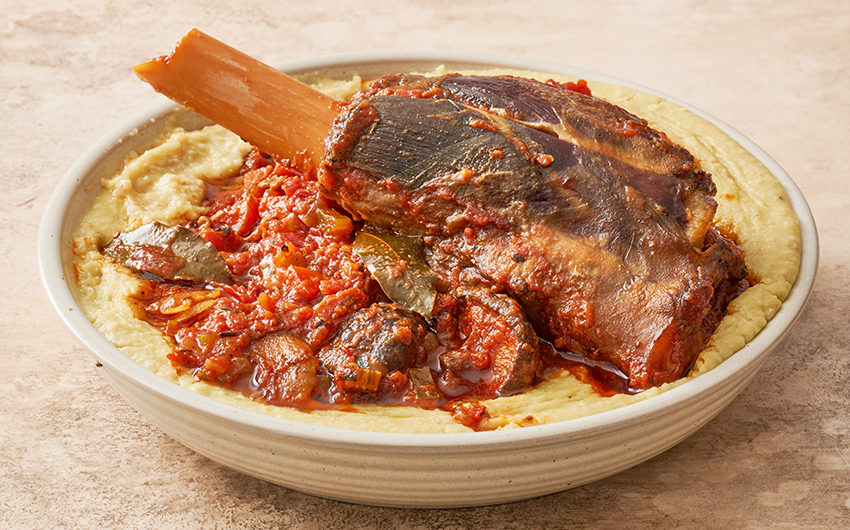
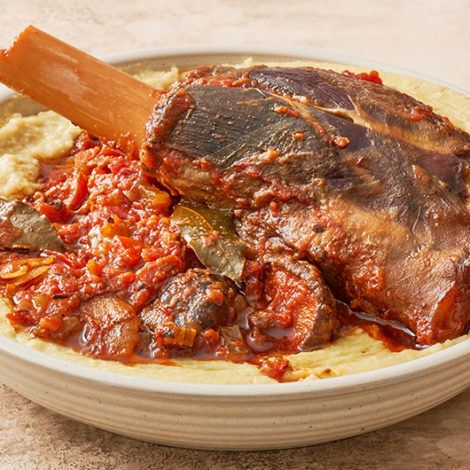
Venison Osso Buco
Traditional Italian osso buco is generally made with veal shanks, but this osso buco recipe, my interpretation of a dish from chef Hank Shaw, utilizes crosscut venison shanks and seasonal summer produce. The addition of olive oil, butter or another fat into the slow-cooking process helps keep this lean protein moist and flavorful.
Featured Recipes
More Stories by This Author

Edible in your mailbox
