

Onions
Cooking Tips
- It is a myth that chopping off a certain end first will keep you from crying. Peeling and chopping quickly is the only true fix. Cut one end not quite all the way through, then tip the knife and peel back the outer layer. Repeat on the other end. This will allow you to quickly peel off the outer layer and get on with chopping, rather than taking many minutes to peel it while it begins to make you cry.
- If you have a sprouted onion, use only the firm layers and discard the sprouted and soft portions.
Details
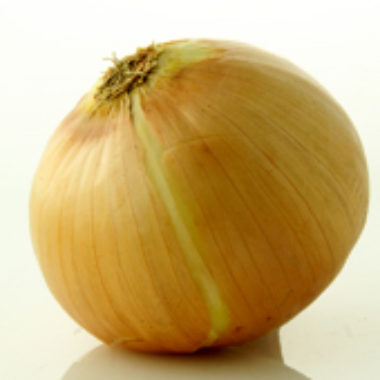
Onions: a cook’s staple ingredient, whether white, yellow or red; sweet or spicy. It (plus garlic) might be the start of 9 out of 10 homecooked meals. A good, fresh onion will release juices when cut, and often makes people tear up. Organic onions will often cause even more tears due to the additional sulfur compounds (as well as other beneficial minerals) it will have absorbed from the good organic soil. Onions are on the Environmental Working Group’s “Clean 15” list of produce containing the least pesticide residues, so purchasing organic is a matter of taste.
You may find early (green) onions in the market in May or June, but most onions reach their peak in mid-June and will be available throughout the market season. Onions, when stored properly, will keep well into the winter, making them a potential year-round food. If purchasing for storage, make sure the onion has absolutely no soft spots, and thin necks seem to work best.
Nutrition: Onions are a good source of vitamin C, dietary fiber, vitamin B6, folate, potassium and manganese. They are thought to have anti-inflammatory properties and may help regulate blood pressure.
Related Recipes

Summer Onion Tarts
Summer 2024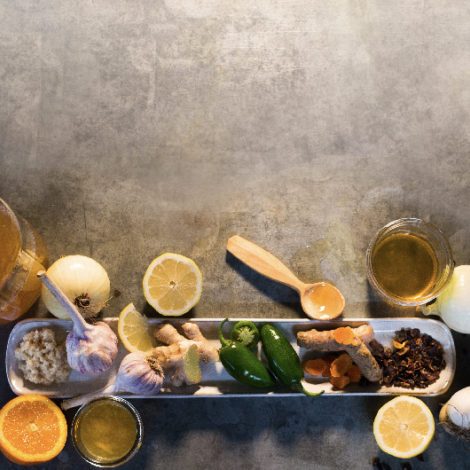
DIY Fire Cider
Fall 2020
Roasted Carmen Pepper Pimento Grilled Cheese
Fall 2020More Recipes With Onions
Related Stories
SUMAC!
Spring Alliums
Cow’s Ear into Silk Purse: Caramelized Onions
Game Time: Have Your Beer & Eat It, Too
More Stories With Onions

Edible in your mailbox
