

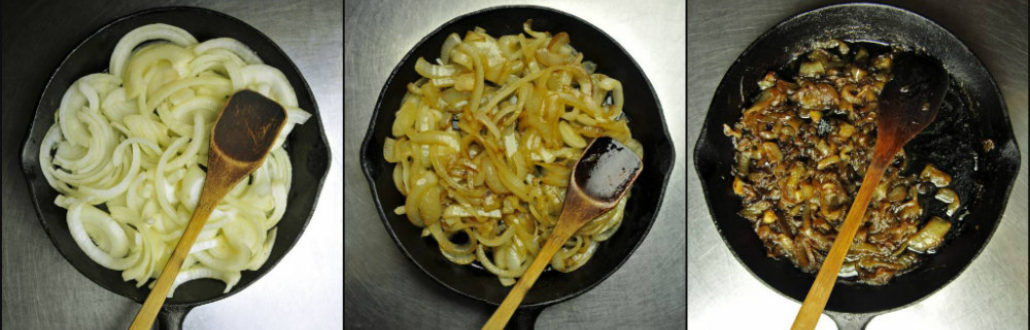
Onions are a humble, winter-storage workhorse that readily transform into a luxury ingredient, and they freeze beautifully, so why not make extra?
Slow-cooked and succulent. Nutty and sweet. A little gooey, a lot umami and remarkably adept at improving everything from soups and sandwiches to pizzas and steaks. Thing is, caramelized onions are so good they could make a doorknob taste delicious.
What’s more, winter is the perfect time to make them. In summer, we northerners plan ahead by pickling cucumbers and canning tomato sauce, but there’s no reason we can’t “cook it forward” in the cold months, too. Onions are a humble, winter-storage workhorse that readily transform into a luxury ingredient. Make enough to freeze and it’s like money in the bank.
Are they hard to prepare? Not at all, though it takes a little time. Onions are hard-textured and have a high water content that must be released before they will soften. Once their moisture has cooked off, onions can get hot enough for a chemical reaction called pyrolysis to take place. This means that their sugar molecules break down enough to be detectable—that is, for the onions to go from pungent to sweet-tasting.
Caramelized Onions: Get the Recipe
Onions go from pungent to savory-sweet during caramelization, and just a spoonful takes a dish from everyday to elegant.
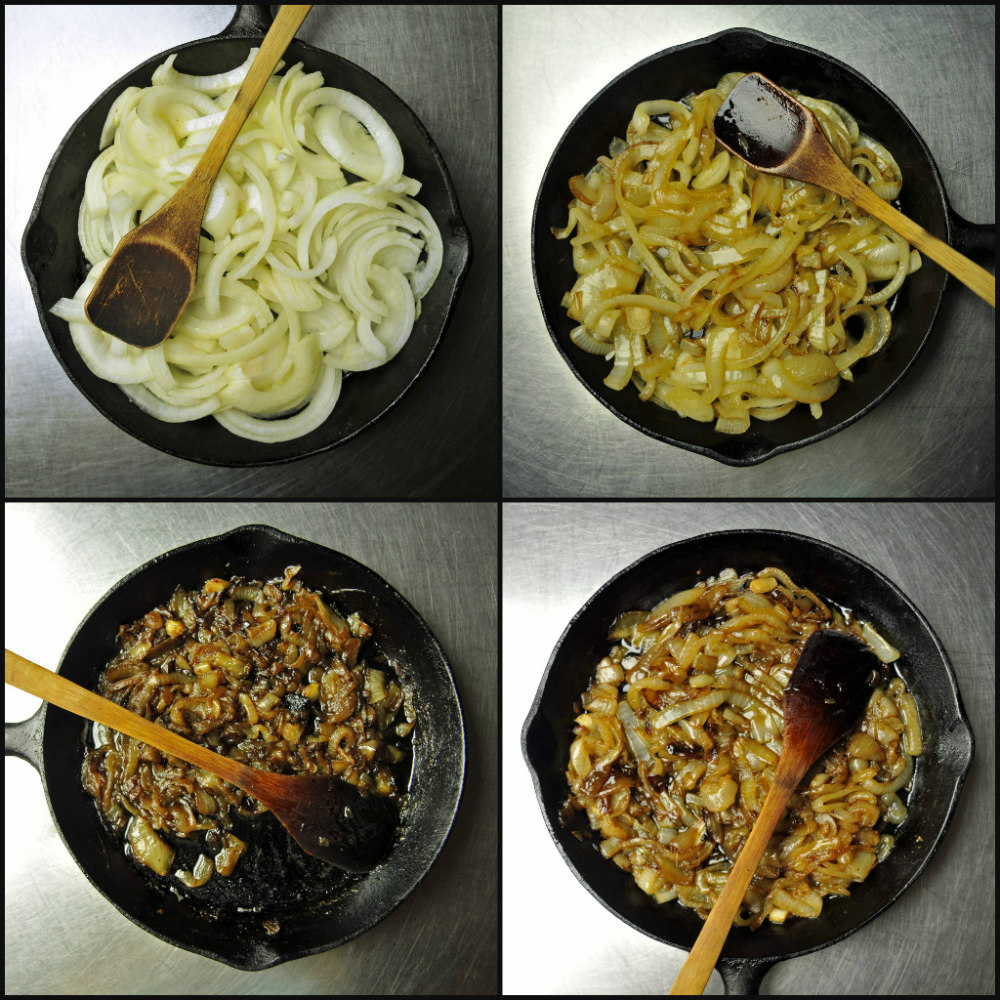
During pyrolysis, onions also take on color, going from pale to caramel to brown—and even beyond, to dark brown, if you dare. But the goal here is brownness, not blackening. To prevent them from burning, onions must be stirred occasionally as they slowly brown up, and watched closely as they near doneness. If you get nervous about things burning, add a little water to slow down the cooking, and to prevent sticking.
Beyond that, there aren’t many rules for caramelizing onions. Any kind of onion will work—yellow, white, red— but in my book, yellow delivers the best flavor. Slice them uniformly, so that they cook evenly. Use good butter or olive oil (or both), just enough to coat and flavor the sliced onions (1 to 1 ½ tablespoons per pound of onions will do it). I add a little salt, both for flavor and to help the onions release more of their moisture, but unlike some other cooks, I don’t add sugar to boost the natural sweetness.
There are so many ways to use caramelized onions that even when I make a big batch, they rarely make it into the freezer. Whether chilled or frozen, however, they end up enrichening so many dishes—scrambled eggs, bruschetta, burgers, melts, dips, and on and on—that I wish I had made more.
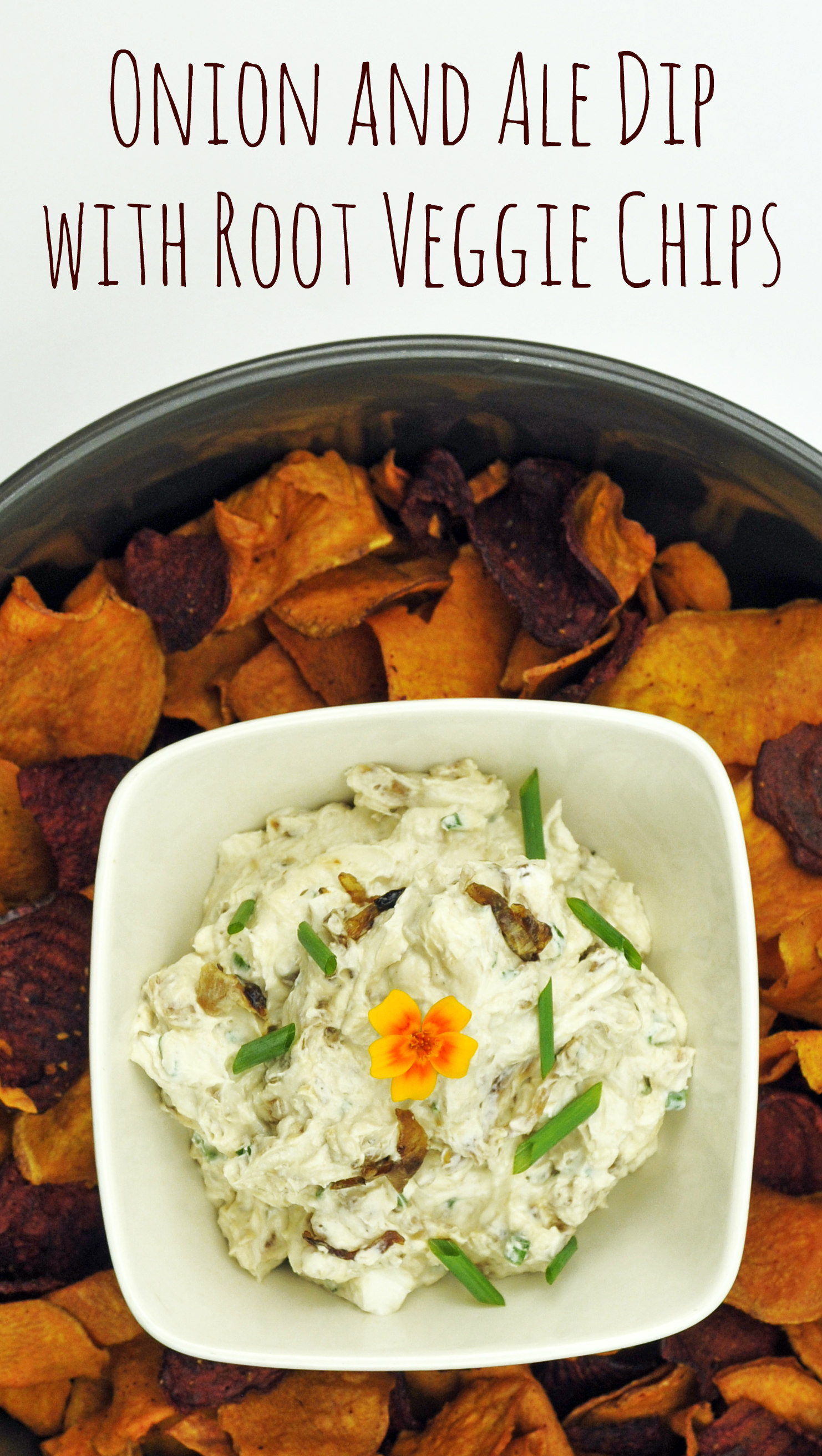
This season's Cook It Forward recipes make great use of the savory-sweetness of caramelized onions. Make a big batch and try them all!
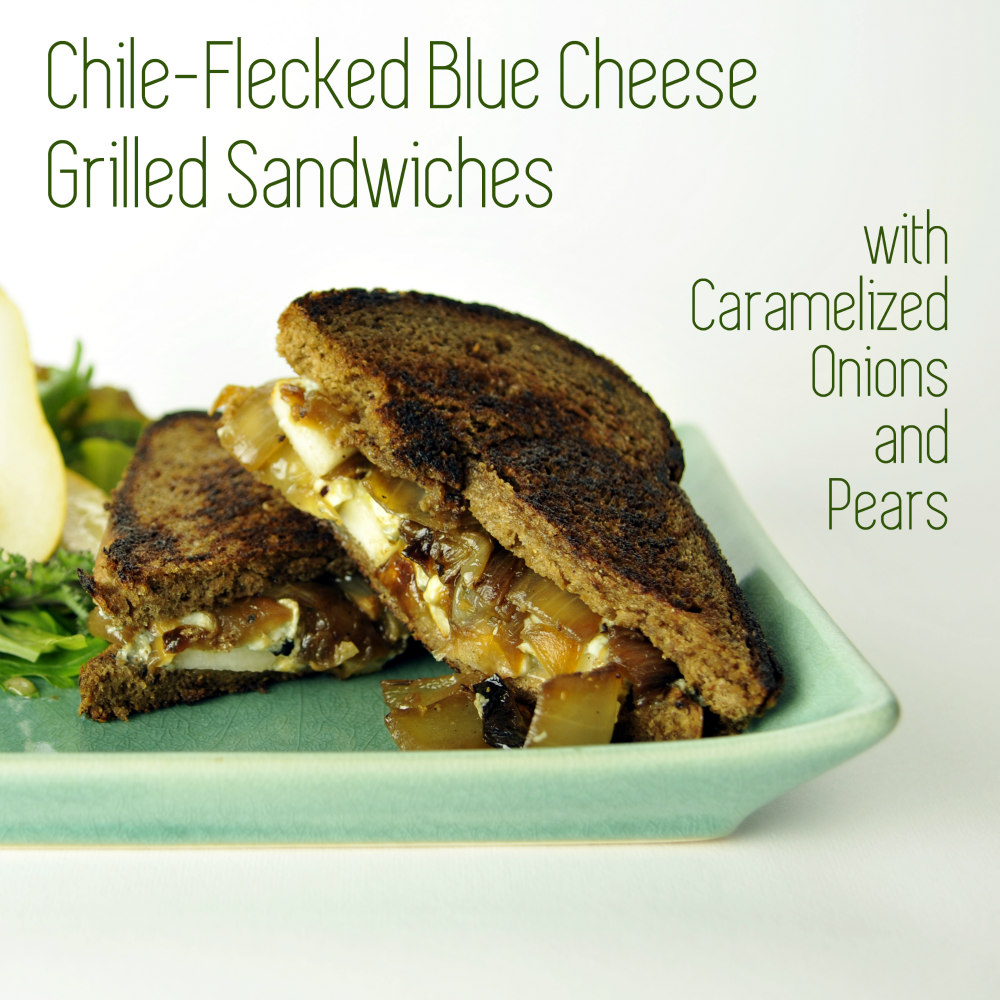
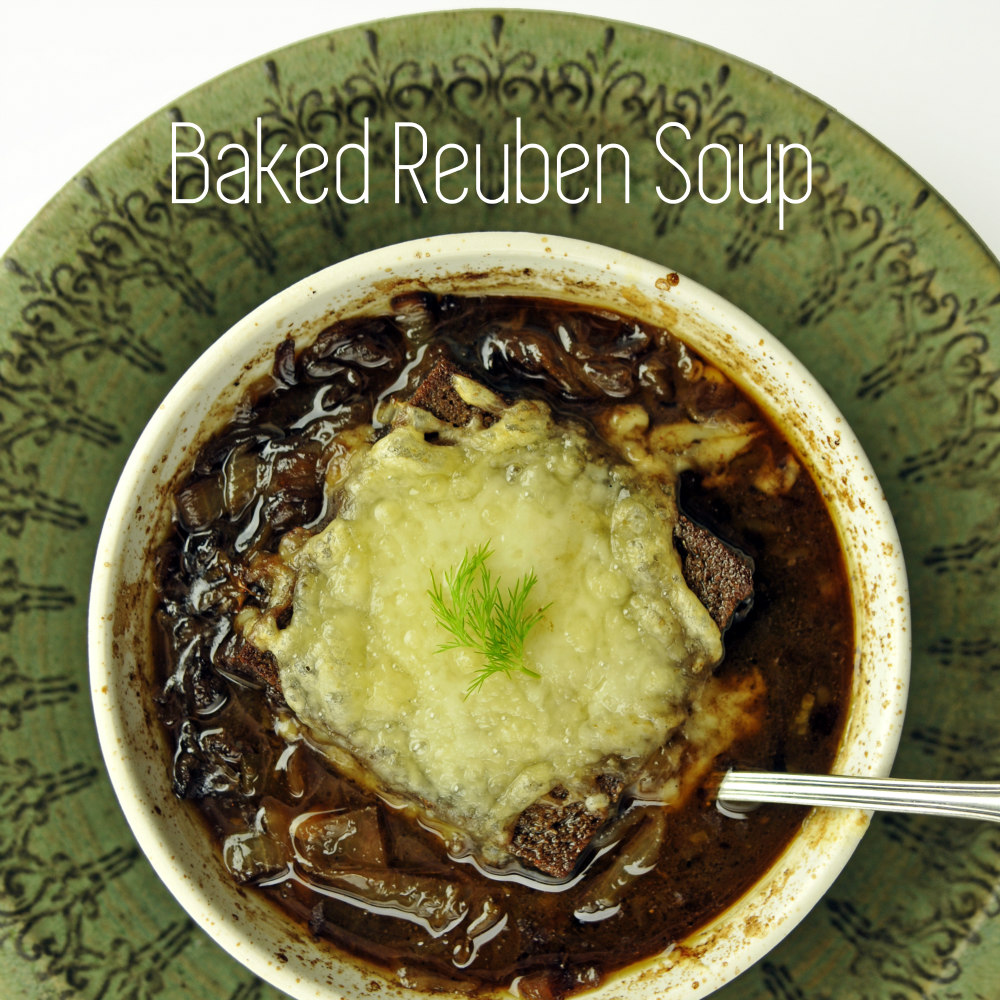
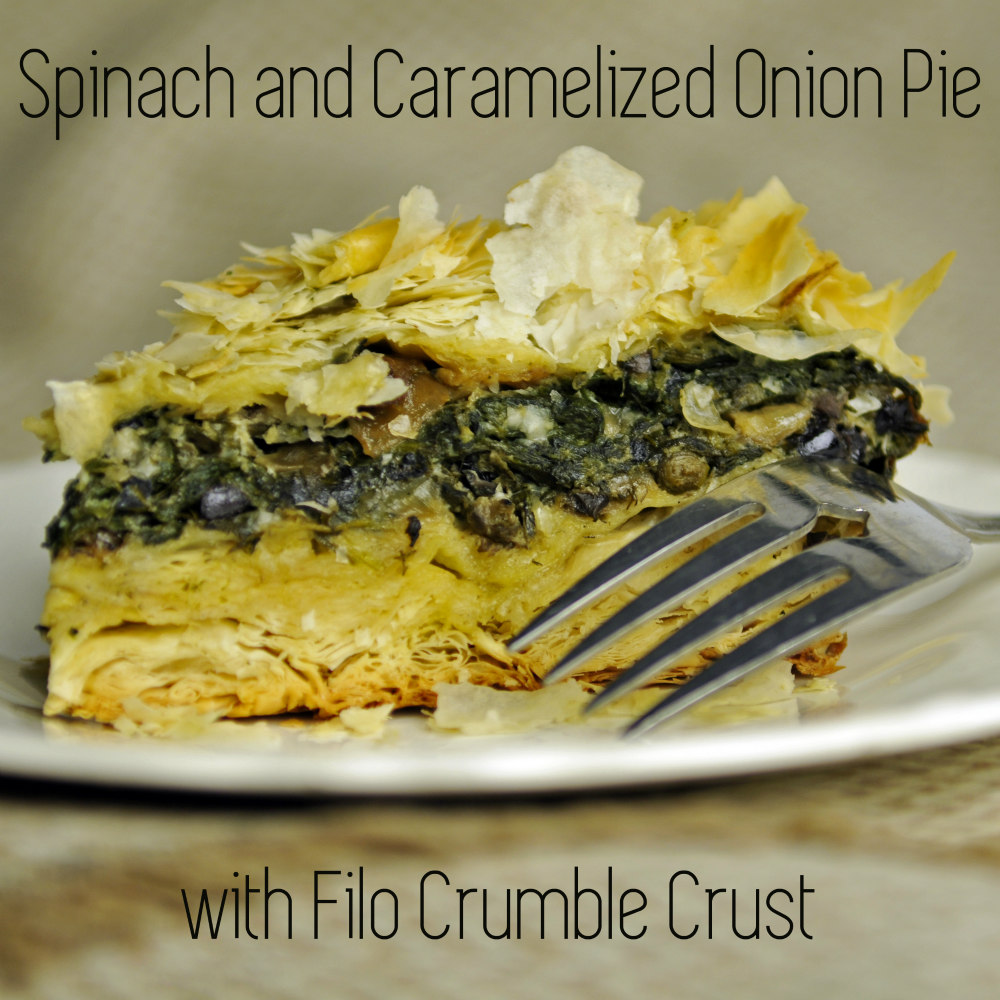
And don't miss these additonal recipes that feature caramelized onions from our past issues!
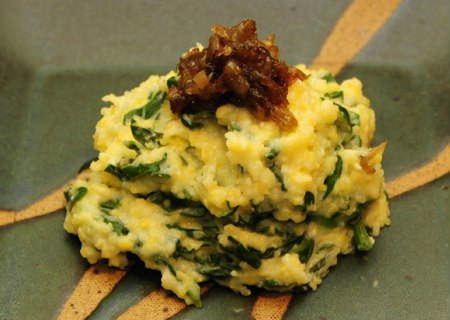
Polenta with Greens, Caramelized Onions and Asiago
Featured Recipes

More Stories by This Author

Edible in your mailbox
