


Alliums are one of the true harbingers of springtime. Why not use this season to experiment with some of the lesser-known cousins of the common green onion?
Most savory dishes start with onions. Big bulbs of the common yellow, red or white onions (Allium cepa, or bulb onions) are something cooks simply always have on hand (and why they’re sold in three-pound bags!). They are what most people think of when they hear or read “onion” and, hence, are the most cultivated member of the Allium genus. But these ubiquitous bulb onions are only available locally after they’re harvested in the summer and stored into fall and early winter. True seasonal cooking means being flexible with your ingredients. Sure, you can always buy imported onions this time of year, but why not embrace the season and learn to use (or better yet, grow!) some of the other spring alliums that are available locally?
Scallions, aka green onions, are my spring allium go-to. They tend to be milder in flavor than mature bulb onions but can nonetheless be used as an exciting spring substitute in most recipes. Simply chop the white part and green parts separately, sauté the white part early-on in a recipe when you’d normally add chopped regular onions, and add the more delicate green parts near the end of cooking or as a garnish. Or use both the white and green parts in any raw recipe calling for onion. Your standard onion-y dishes might taste a bit different because of the substitution, but they’ll be new and fresh—just like springtime. There are many different types of onions that you can grow or find at the market that fall into this category of scallion/green onion.
Most of the green onions you find in grocery stores are simply bunches of those common bulb onions (Allium cepa) that are planted closer-than-normal and harvested young before they start to bulb out. Certain varieties have been specifically bred for green onion production, but most of them will still turn into a bulb onion if you leave them in the ground long enough. Common bulb onions are a biennial that flower and produce seed in their second year of life, so these kinds of green onions must be grown from seed outside in the early spring, or started late winter in a greenhouse and then transplanted outside in the spring for an earlier harvest.
Potato onions (Allium cepa var. aggregatum), or multiplier onions, are a super cool type of shallot that can also be harvested in the early spring as a scallion. Potato onions grow in clusters and can be propagated by dividing and transplanting individual bulbs out of each cluster, which will then multiply into another cluster of bulbs—much easier for the home gardener than having to start them from seed like bulb onions. They will overwinter in your garden and reward you in the spring with clusters of long skinny onions that can be dug up and used like a green onion. If you leave some in the ground, they’ll bulb out later in the spring like a large shallot and can be harvested later in the summer (about the same time as garlic) and cured for storage like regular onions. Also like garlic, simply replant some in late fall to overwinter for next year (or just leave some in the ground at harvest time).
There are a number of green onions called bunching onions that are part of the Allium fistulosum species. These onions differ from the common Allium cepa onions and potato onions in that none of them ever forms bulbs, and they are perennial versus biennial. Often called Welsh onions or Japanese bunching onions, this type is very common throughout Asia and, for some reason, Jamaica.
Egyptian walking onions, also called tree onions (Allium x proliferum), are a perennial hybrid of biennial common onions and perennial bunching onions. They differ from the others in that they form groups of wee onion bulbs on tops of stems instead of flowers and seeds. These stems eventually bend, dropping the bulblets to the ground where they grow roots, sprout and start new plants—hence the name “walking” onion. Left in the ground over the winter, they can be harvested as any other scallion in the spring.
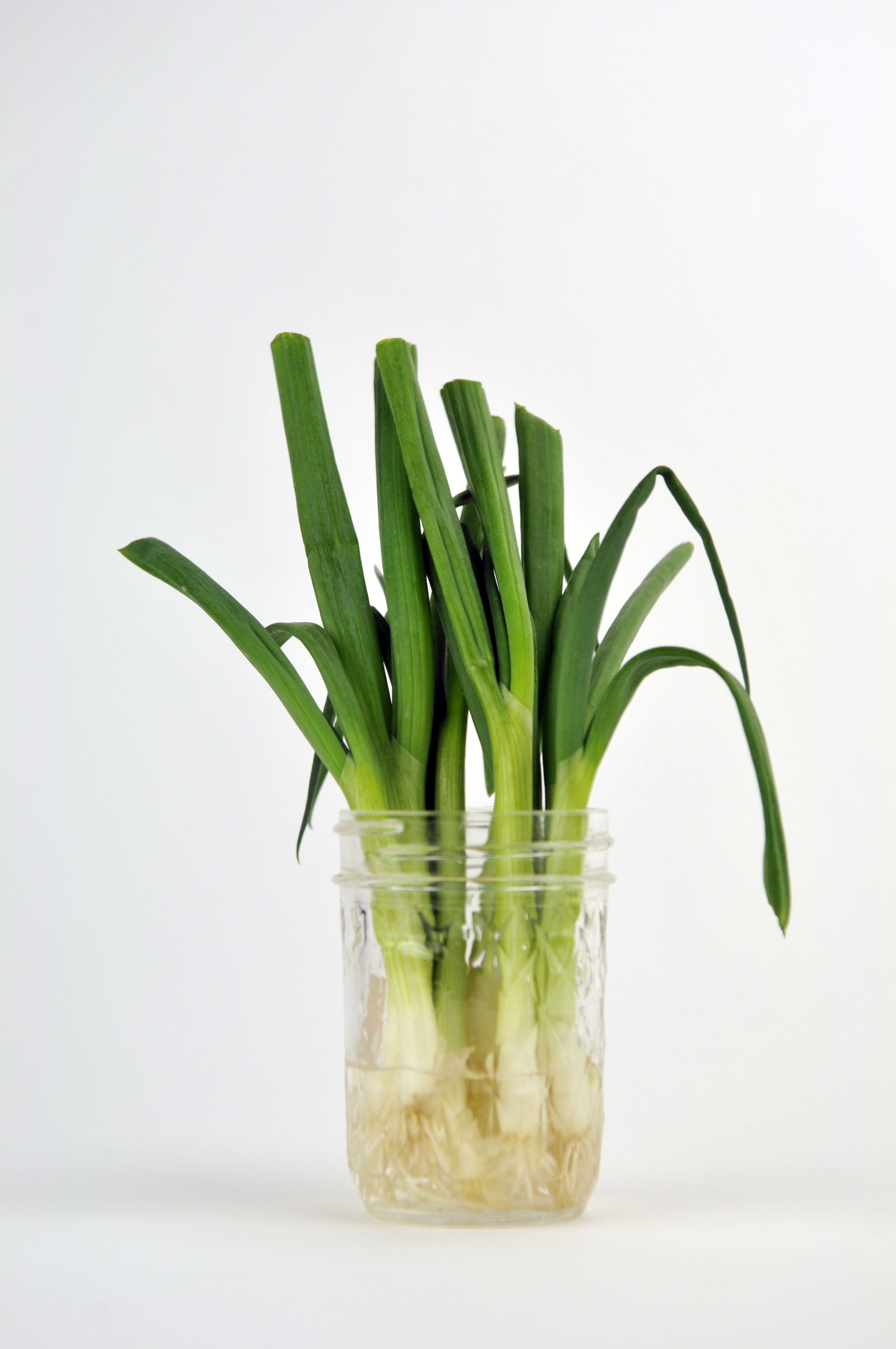
Green garlic (Allium sativum) is the immature whole plant of garlic that can be dug up and used as a scallion-like form of garlic. Milder than garlic but much more pungent than most green onions, the whole young plant can be used just like green onions.
One of the first things to come up as soon as the ground thaws in my garden each spring are the tender green spikes of chives (Allium schoenoprasum). They grow in tidy, dense clusters of tubular leaves and are long-lived perennials. These chives don’t readily self-seed or spread around the rest of the garden, making them a nice addition not only to a vegetable or herb garden, but also to a perennial flower border or even a mulched or rocked landscape planting around your house. Their profuse (and edible!) purple flowers that bloom later in the summer are certainly lovely enough to grow in your flower garden. You can also grow them easily in a pot and bring them inside to grow all winter if you have a nice sunny window. Chives are the most delicately flavored of these spring allium options, so they aren’t always the best alternative when you’re looking for strong onion flavor in a recipe. They add a grassy, bright, mild onion taste to dishes when used fresh as a garnish or added right at the end of cooking a dish. Chives shine in simple dishes with few ingredients, like a baked potato with butter and sour cream, or an omelet with goat cheese, or a simple miso soup.
Just a little bit later in the spring than regular chives, the flat green leaves of their cousins, garlic chives (Allium tuberosum), start to poke out. Also perennial, garlic chives have lovely white starbursts of edible flowers in the summer and a more haphazard growing habit than regular chives—they self-seed profusely and spread accordingly. I originally planted a clump on the edge of one of my perennial gardens’ rock border, and they have since spread into every crack and crevice of the rock border and the concrete sidewalk that abuts it. I don’t mind too much; they’re delicious, and I never feel bad about harvesting them heavily, even digging up whole clumps and using the whole plants, which resemble miniature scallions. Garlic chives are a very authentic thing to use in Chinese pancakes or dumplings, being native to northern China.
Last but not least are the darlings of the spring alliums: ramps, or wild leeks (Allium tricoccum). These wild ephemerals (meaning they only leaf out in the spring) are native to the deciduous forests of middle and eastern North America and are often the first green things to emerge from the forest floor in spring. Like all the other spring alliums, the whole ramp plant is edible, although it is more intensely flavored than most. You can hunt for ramps yourself or find them at market in the early spring. Like any wild-crafted thing, make sure that you or whoever you buy them from harvests them sustainably, only taking a few plants from each patch so they can continue to thrive in the wild for future generations. I’m serious about this. Because of commercial exploitation, ramps are becoming endangered in many parts of the U.S. and Canada, where they were once abundant. It takes up to seven years for a ramp to go from seed to bulb, so unethical harvesters can easily destroy a colony of them when they dig up all the plants. This slow growth habit combined with intense popular demand and high prices make these precious spring alliums very vulnerable to overharvesting and eventual species endangerment, so please savor them in moderation.
Did you ever imagine there was so much more variety than the simple green onions found in the store? Try growing some green onions or potato onions in your garden or a patio pot this year. You can usually find seedlings or bulbs from your favorite nursery or seed company. If you’re ready to start cooking, you can find some of these local spring alliums at your local market, or sign up for a spring CSA box and play around with them. Try one as a substitute for regular bulb onions in a favorite recipe and taste how they change it into a new, quintessentially spring dish. You’ll start to think of these alliums as what they are: true harbingers of springtime.
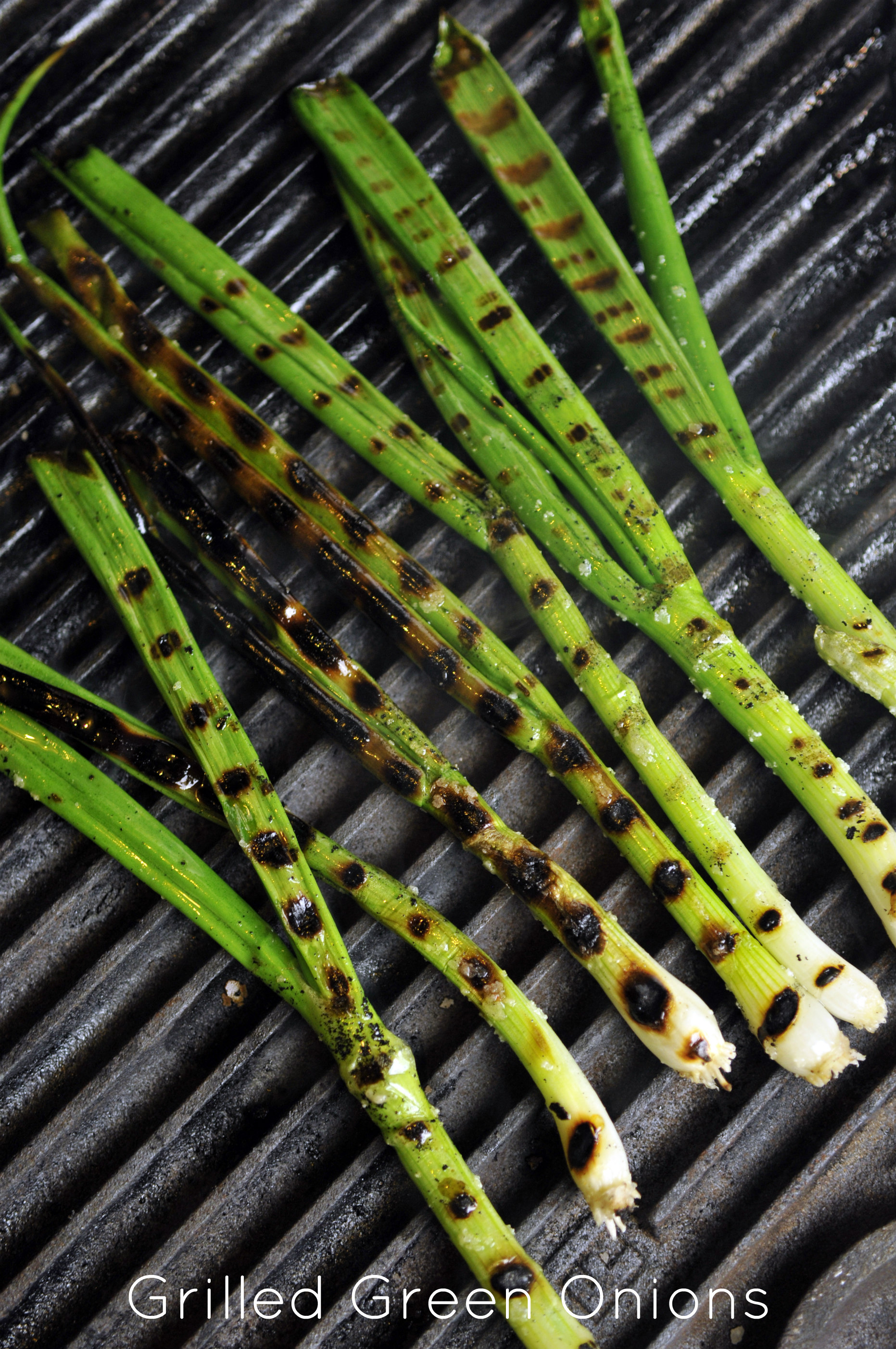
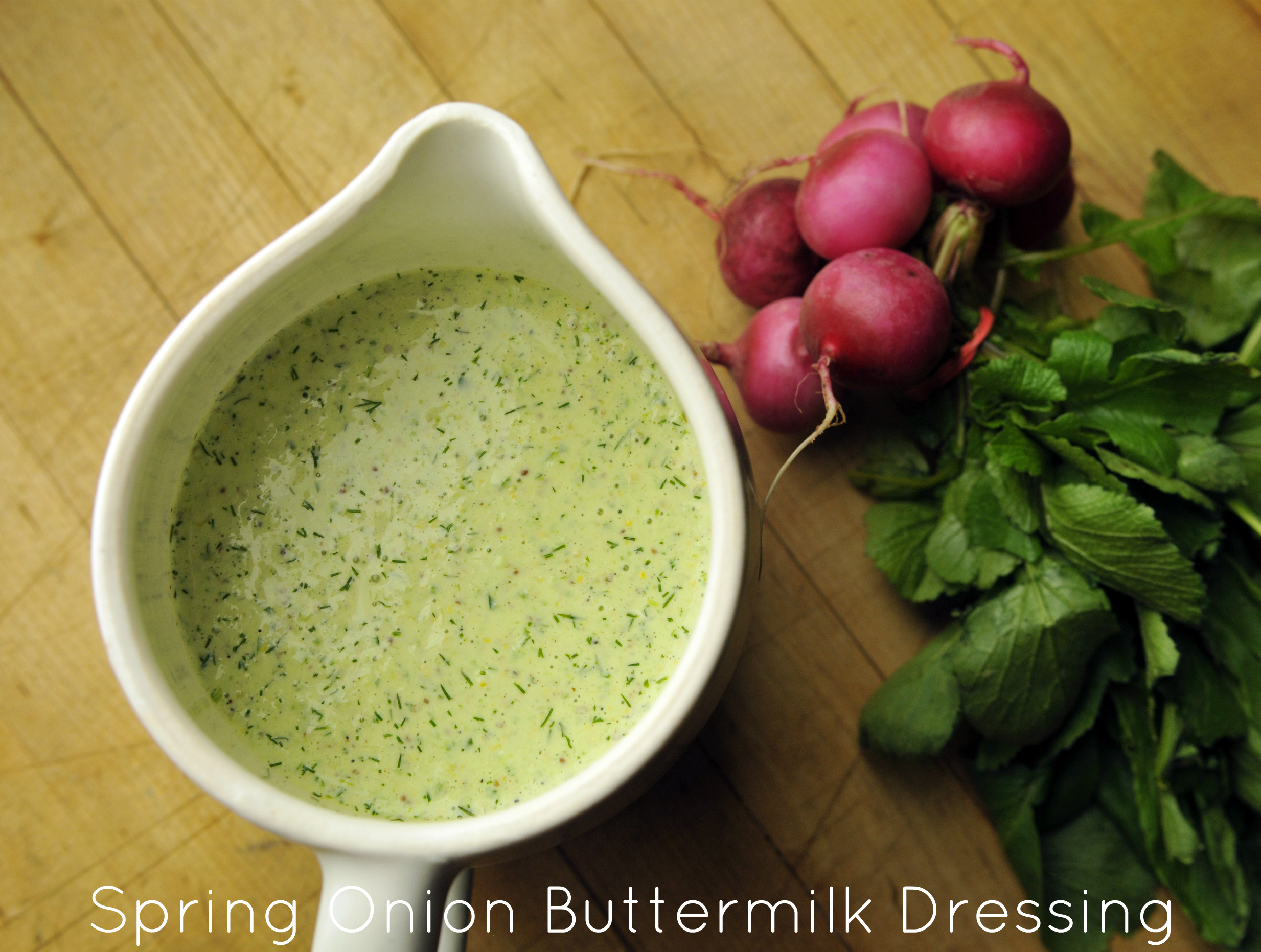
Get the recipes:

Featured Recipes


More Stories by This Author

Edible in your mailbox
