

When we hear the term “healthy fats,” most of us think of plant based fats touted by the Mediterranean diet, such as olive oil, avocados and walnuts—but not animal fats. While they have not typically been equated with the same healthfulness, animal fats are, in fact, nutritious foods that are necessary in the diet.
Health-nuts, mainstream media and even physicians have all come to agree that, yes, some fats are healthy, and we need them in our diets. Cooks have long known that fat is the key to deliciousness, but now we know that there is also a healthful side to these satisfying foods.
When we hear the term “healthy fats,” most of us think of plant based fats touted by the Mediterranean diet, such as olive oil, avocados and walnuts—but not animal fats. While they have not typically been equated with the same healthfulness, animal fats are, in fact, nutritious foods that are necessary in the diet.
If this is true, then just what makes a fat healthful or not? How have we just now changed our thinking around this? The most basic definition for a “healthy” fat is one that has been minimally processed and contributes to, rather than harms, our health. Fats from animals like pigs, cows, fish and chickens were part of every traditional diet, as our ancestors knew that they were needed for robust health. Animal fats continued to be found in every home’s pantry all the way into modern times.
This all changed once our food system became industrialized. Food started coming from the store rather than our own farms or neighbors, and changes to which cooking fats were seen as “healthy” were a big result of marketing and lobbying tactics. For example, lard (rendered pork fat) is very minimally processed, but it was replaced by Crisco shortening in the 1950s, which is made from highly processed hydrogenated oils. Trans fats in these hydrogenated oils are more directly linked to inflammation and heart disease than the natural fats in animal-derived foods. Even non-hydrogenated oils that many consider healthful, like highly processed and often genetically engineered canola, soybean and corn oils, contribute to inflammation and oxidative stress in the body, which can lead to disease.(1)
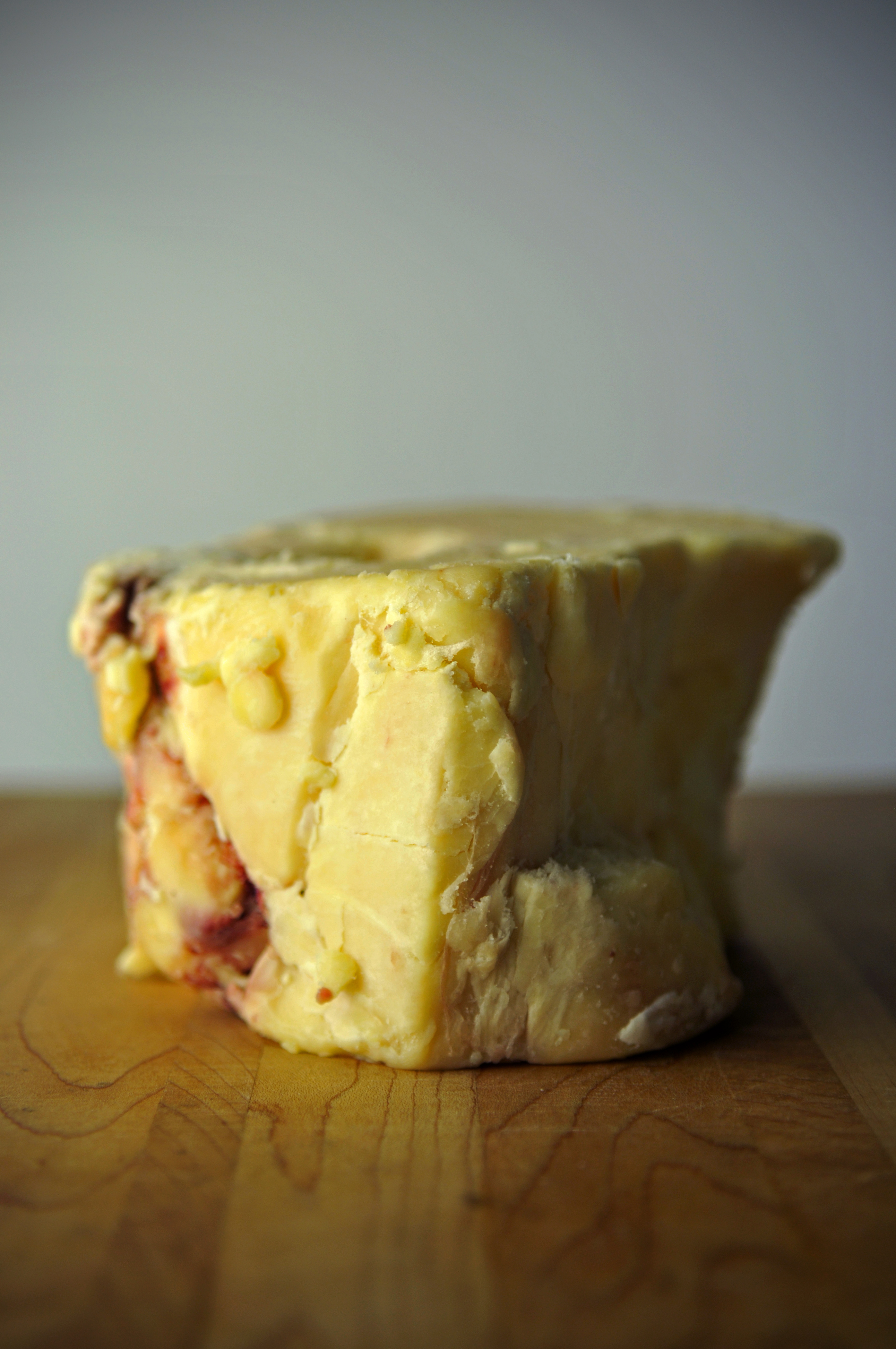
Fat is important for many bodily processes, including hormone balance, digestion, nutrient absorption, satiety after meals and blood sugar regulation. Animal fats specifically are a better choice than many plant oils because of their unique fatty acid profile and how they can be made with minimal processing. They can be found in meat itself or rendered into pure, solid fat for cooking. Both sources provide a variety of fats needed by the body, including saturated, monounsaturated and polyunsaturated fatty acids in the form of omega-3 fatty acid, conjugated linoleic acid and arachidonic acid (AA).(2)
AA is important, because it is exclusively found in animal foods; it is simply not present in adequate amounts in what many would consider a healthy plant-based diet. AA is necessary for learning, memory and overall brain health. AA is also needed for adequate immune function, gut and skin health, and even prevention of food intolerances. A deficiency of this fatty acid can cause issues like eczema, infertility and inflammation, making animal fats essential in the diet. Animal foods also offer cholesterol, which is typically vilified,(3) but is, in fact, the backbone of reproductive hormones and, along with saturated fats, supports fertility and brain health. (4, 5)
While I am not saying to throw out all of the plant foods and oils in your kitchen, these aspects of health are important to consider when choosing what foods to eat. Reframing how you view the fats in your diet is a necessary piece of this. How much fat, including saturated fat, is needed in the diet varies for each person depending on health status, genetics and lifestyle factors, but the point is that everyone needs a substantial amount for good health.
Besides essential fatty acids, lard and other animal fats also offer B vitamins and even vitamin D.(6) Studies have now found that the fat from pigs raised outdoors on pasture, rather than indoor confinement, contains a significant amount of vitamin D. For us northern dwellers who have limited sun exposure for much of the year, it is good news to have another natural, food-based source for the “sunshine vitamin” when fall and (a very long) winter roll around.
Generally, animals raised outside eating their natural diets will give us more of the nutrients we need, like essential fatty acids and fat- soluble vitamins. For example, ruminants like cows are healthier when raised outdoors on pasture and can get the majority of their diet from grass and dried forages; pigs need to be allowed to graze and forage for a variety of foods, including roots and insects; chickens and other poultry are healthiest when they are allowed to freely roam and eat grains, seeds, bugs and plants. For all animals that we eat, living their lives exposed to sunshine and access to a nutrient-dense and diverse diet will result in healthier animals and, thus, healthier humans who consume their products.
Health is not the only thing to consider when choosing foods. We also must consider where they came from. Animal fat can be local fat. Coconut and olive oils are great for health and culinary use, but they come from far away. I certainly cook with them in my kitchen, but I aim to use them sparingly compared to locally sourced options. If we favor other foods for their local-ness, like tomatoes and apples, we should do the same with our cooking fats. This also decreases our food miles and supports local farmers, which benefits everyone in our communities.
Where to Find Local Animal Fats...
Fall is the perfect time to seek out local meats and fats, as many farmers harvest their animals at this time of year. Beef tallow, schmaltz (chicken fat), duck fat, and lard (pork fat) can all be obtained from sources within 100 miles of Madison. Ask around at your local farmers market or search online. (Local Harest is a great place to start.) Or they can be made at home from animals raised on local farms. I would love if we could start to treat our fats and oils like our meat and produce, giving them the locavore treatment they deserve.
How to Use It...
Animal fats can be swapped in for just about any purpose, such as eggs, pancakes, popcorn, searing meats and roasting potatoes and root veggies. Lard and tallow are truly the tastiest way to deep- fry those occasional indulgences. The most delicious homemade doughnuts and fries are probably about to happen for you.
If used at room temperature, you can whip schmaltz with butter and sea salt for an amazing sourdough toast spread. Lard and tallow can be used anywhere you would typically use butter or shortening. Lard is more neutral tasting, so it is frequently used in pastries and pie crust; whereas tallow is more flavorful, so it is better for savory dishes. Both are fantastic in homemade tortillas and refried beans. Start experimenting and find how these foods fit best into your favorite dishes.
Because they are higher in saturated fats than delicate plant oils, animal fats are more stable. This means they keep for a long time at room temperature (necessary before the invention of refrigeration, although they will keep even longer when refrigerated) and are more resistant to going rancid or becoming oxidized during storage and cooking. Outside of the kitchen, tallow makes an amazing, healing balm for the skin. Slather it on dry skin and be transformed. Traditional animal fat is wonderful for both the inside and outside of our bodies. What’s not to love?
(To try your hand at rendering animal fats and making lard or tallow at home, click here!)
1. Harvey, Kevin A., Tyler Arnold, Tamkeen Rasool, Caryl Antalis, Steven J. Miller, and Rafat A. Siddiqui. “Trans-Fatty Acids Induce pro-Inflammatory Responses and Endothelial Cell Dysfunction.” British Journal of Nutrition. 99, no. 4 (2008): 723–31. doi.org/10.1017/ S0007114507842772.
2. Tallima, Hatem, and Rashika El Ridi. “Arachidonic Acid: Physiological Roles and Potential Health Benefits—A Review.” Journal of Advanced Research. 11 (May 2018): 33-41. doi. org/10.1016/j.jare.2017.11.004.
3. Lawrence, Glen D. “Dietary Fats and Health: Dietary Recommendations in the Context of Scientific Evidence.” Advances in Nutrition. 4, no. 3 (6 May 2013): 294–302. doi.org/10.3945/ an.113.003657
4. Berg, Jeremy M., John L. Tymoczko, and Lubert Stryer. “Important Derivatives of Cholesterol Include Bile Salts and Steroid Hormones.” Biochemistry. 5th ed. (2002). W. H. Freeman and Company, New York. ncbi.nlm.nih.gov/books/NBK22339.
5. “Cholesterol, the Mind, and the Brain.” Harvard Men’s Health Watch. (March 2002). Harvard Health Publishing. health.harvard.edu/newsletter_article/cholesterol-the-mind-and-the-brain.
6. Larson-Meyer, D Enette, et al. “Sun Exposure in Pigs Increases the Vitamin D Nutritional Quality of Pork.” PloS One. 12, no. 11 (14 Nov 2017). doi.org/10.1371/journal.pone.0187877
More Stories by This Author

Edible in your mailbox
