

A shrub sounds old-timey and inviting and exotic all at the same time. Of course, it also sounds vegetal; not to be confused with bushes, the shrub I’m talking about is a mixture of vinegar, fruit and sugar, all infused together. This sweet, syrupy concoction is similar to an oxymel, a traditional herbal medicine preparation combining honey and vinegar, sometimes with fruit or herbs added. Shrub, on the other hand, is made with sugar instead of honey, and always includes fruit, which is the real star of the show. Shrubs are also known as drinking vinegars, as they are meant to be added to beverages. These tonics are very flavorful and potently (and deliciously) acidic and sweet, so they are used like a concentrate, to be diluted in other liquids before enjoying.
The history of shrubs makes them even more enticing, as these drinking vinegars were originally used as medicine. Vinegar itself has been used medicinally for millenia, but shrubs are believed to have originated as early as the 15th century, hailing from England. Prior to refrigeration, freezing or canning, fruit was primarily “put up” either through drying or by being preserved in vinegar, as the acidity can keep the fruit edible for a long time. What began as simple mixtures of vinegar and fruit, these were not only used for food preservation, but as a way to provide (what is now known to be) vitamin C to sailors making long journeys overseas, preventing scurvy. Around the 17th century, shrubs became even more popular, broadening their fan base beyond sailors, especially once sugar was added to the mix—plus they were typically combined with alcohol. Shrubs even gained popularity in the United States, and by the 19th century they became a stand-in for liquor when drinking spirits was considered taboo. Once vinegar was no longer needed to preserve fruit, shrubs became less well-known, but have made a resurgence in recent years due to rekindled interests in food preservation, fermentation, homesteading, DIY projects and, of course, mixology.
Making a shrub at home is super easy, and will make you feel just like a 15th century kitchen wench. There are different methods for making shrubs, but the simple, cold-infusion process I use is this: combine equal parts sugar and fruit, letting this mixture sit for a few days to lightly ferment, then strain. The resulting syrup is then combined in a 1:1 ratio with vinegar. If kept refrigerated (although it does not have to be), this mixture will keep for about a year, or several months at room temperature. There is also a hot-infusion method for making shrubs, where the fruit and sugar are simmered in vinegar, taking out the fermentation step and getting your shrub to you quicker. I always prefer the cold-infusion method, as I’m such a nerd for fermentation, but also because it maintains and enhances the nutritional properties of the fruit and vinegar when left raw.
The flavor that shrubs add to your drinks will draw you in, but you will stay for the health benefits, as shrubs actually have some great nutritional value to them. By nature of using fresh fruit, shrubs provide vitamin C and potassium, along with phytochemicals—antioxidant compounds found in plants that provide various health benefits—like anthocyanins, lycopene and polyphenols. Of course, the specific nutritional content will vary based on the fruit you use, but all fruits are good sources of many vitamins, minerals and phytochemicals, so you are giving your drinks a nutrient boost no matter the shrub you use. When using the cold-infusion method to make shrubs, the fruit and sugar go through a short period of fermentation, adding probiotic bacteria and yeast to the mixture as well. The vinegar component has its own health benefits, especially when using raw, unfiltered vinegars. The long-standing appreciation of vinegar as a health tonic goes back thousands of years, and its benefits range from supporting healthy blood sugar levels and helping digestive function to providing anti-inflammatory compounds.
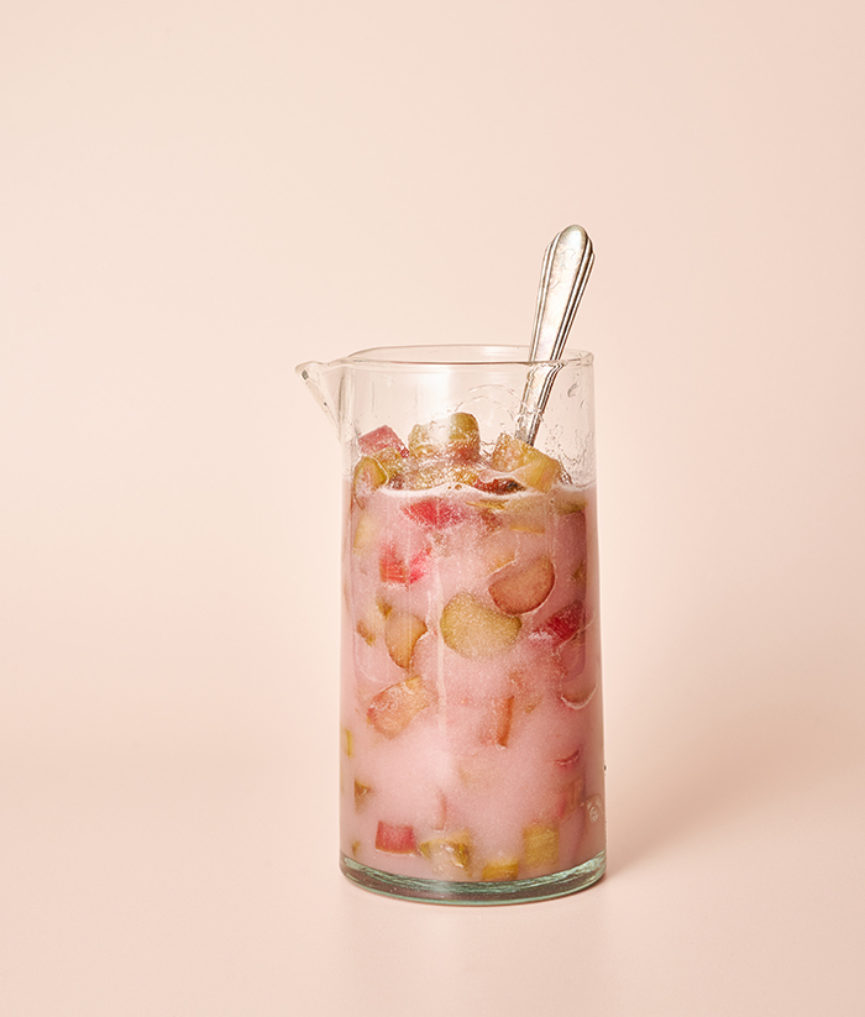
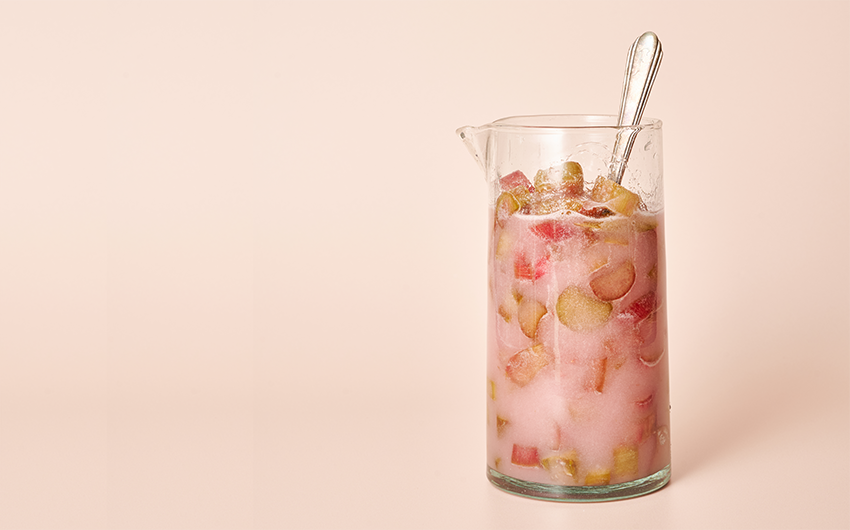
Rhubarb Shrub
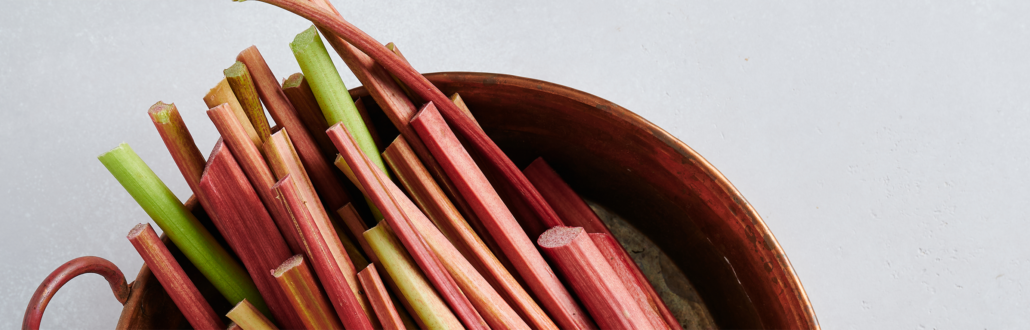
This is one of the first food preservation projects I get to do each spring, and it always makes me very happy. Rhubarb absolutely shines in this recipe, imparting a delicious flavor and stunning pink color to the finished shrub. Add a splash to a cocktail or sparkling water for a soda-like treat.
Because making shrubs uses a general method rather than a strict recipe, it is simple to make your own shrub with whatever fruit is on hand at the time. Fresh fruit is best as it typically yields better fermentation results, but frozen fruit can work, too. I’ve made shrubs with all types of berries, melons, pineapple, apples, pears, cranberries, stone fruits, celery (yes, seriously!) and, my favorite, rhubarb. Along with the fruit, you can add fresh or dried herbs to the mix to add complexity to the flavor profile—mint, thyme and basil work well with a variety of fruits or add warm spices like cinnamon with apple or pear for
a fall beverage. Use whatever sugar you like to sweeten, though I recommend choosing one that dissolves easily, as it will incorporate better as the mixture macerates and ferments. You can reduce the sugar in the recipe by up to half when using a sweeter fruit, depending on your taste preferences.
Different vinegars can be used, though I do encourage you to use a high-quality vinegar, as much of the vinegar flavor comes through in the final product. Distilled vinegar is not generally advised, as it will not add flavor to your shrub. White wine vinegar is pretty neutral and goes with just about any fruit, but red wine vinegar, apple cider vinegar, and balsamic vinegar can all work well, too. You can use more than one type of vinegar in a single batch of shrub to really mix it up. Keep in mind that vinegars have a wide range of flavors of their own, so think about which type to use when pairing them with different fruits; for example, with a milder flavor fruit like currants, you may want to stick with a more lightly flavored vinegar like white wine or champagne vinegar over a balsamic, as these will allow the flavor of the fruit to come through more. Experiment with different flavor combinations to find a recipe that you love and is all your own.
Besides the fermentation and food preservation aspect, my favorite thing about shrubs is that they make any drink a little bit fancier. Shrubs are typically used in 1:4 or 1:5 ratios with other liquids. You can add a splash to sparkling water to make your own flavored bubbly water that is made with real (rather than “natural”) flavors. Add a bit of shrub to juice or other beverages, creating a treat for any age. Shrubs really shine when used in cocktails, as they mix beautifully with drinks that need a bit of brightness and sweetness.
There are several brands of premade shrubs available locally if you aren’t quite up for making your own. Whether homemade or store-bought, shrubs make a great gift, party favor, host present or potluck addition to add pizzazz to the drink selection. Making shrubs is one of my favorite, easiest ways to preserve the harvest, which feels especially great in the spring when produce is just starting to come in and you can use it in a really fun way. What better time than spring to try something new and add a little brightness to your life?
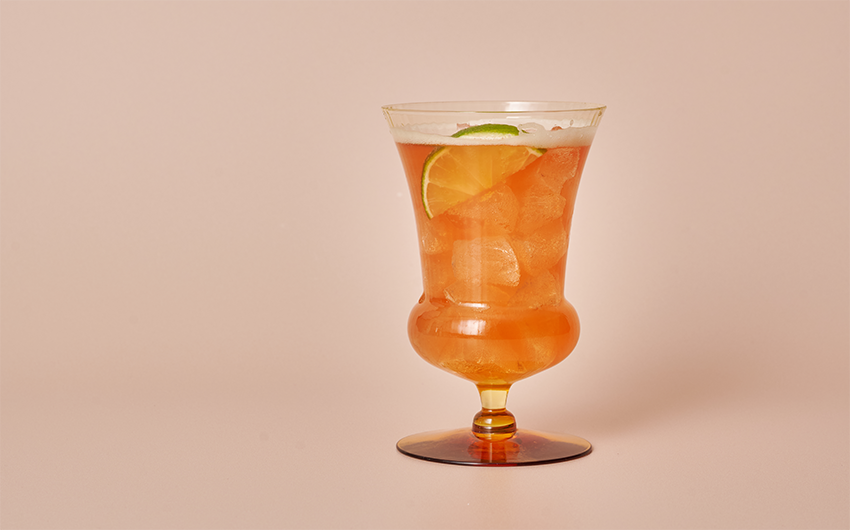
Rhubarb-Tequila Cocktail
This is a fun example of using shrubs in a cocktail, showing you the ratio of shrub to other liquids. I made this for my now-husband on our first date, so you know it’s a good one! Mix it up with spirits and sodas of your choice to make it just right for you.
More Stories by This Author

Edible in your mailbox
