

Summer is the perfect time of year to master the art of food drying, as you can use it to preserve the season’s bounty and even harness the power of the sun to do so. Most types of food can be preserved through drying, from vegetables and fruits to meat and fish, and being able to put up food in this way has a long tradition all over the world.
This method of preservation also allows you to make foods that are shelf-stable yet aren't ultra-processed. While dried foods are still technically “processed,” they are minimally, traditionally processed in a way that preserves much of the nutritional value and very much resembles the original, whole form of the food it comes from.
Drying is considered the first form of food preservation, dating back to at least 12,000 years ago. It removes almost all of the moisture in a food if done properly, and moisture is the enemy of shelf-life; higher water content in foods allows for more microbial growth. So, the less moisture a food has, the longer it can stay shelf-stable and safe to eat. Before electric-powered dehydrators, people practicing food drying thousands of years ago were simply using the drying power of the sun and air to do so. In some areas, special drying houses, sometimes known as “still houses,” were heated with fire to remove moisture from the air if conditions were unfavorable for sun-drying. Most people who dry food today use electric-powered dehydrators, which use warm, dry air that circulates around the drying chamber to remove moisture from the food. While these are not super small appliances, they can fit in most kitchens or pantries. For those who want a very low-cost, old-school version of this that doesn’t use electricity, there is the option of a solar dehydrator. You can look up tutorials on how to make one in books or online, or look for local classes on DIY solar dehydrators for the best way to learn a new skill.
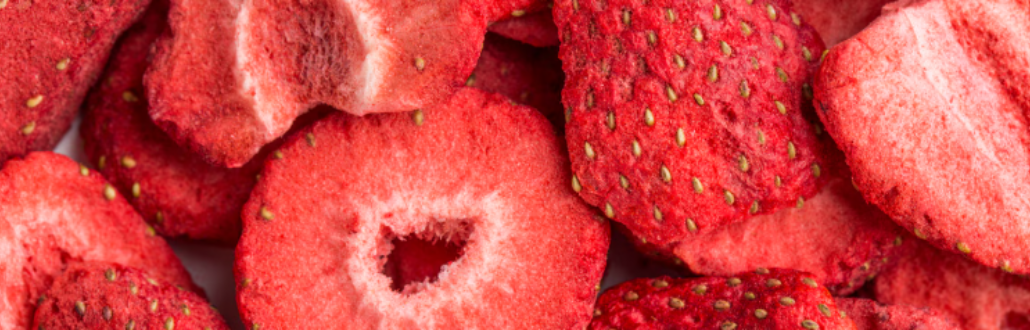
A much newer innovation in dehydration is freeze-drying. Freeze-drying was once primarily used for lightweight, long-term food storage, used by the likes of backpackers, astronauts and military personnel. Now, home freeze dryers are more available and you can freeze-dry just about anything–I have seen many homesteaders use freeze-drying to put up much of their harvest but have also seen dozens of places selling freeze-dried candy. They do it all! Freeze-drying works to dry food through the process of sublimation, where the food is first frozen at very cold temperatures and the solid ice is turned into water vapor. Then, that vapor is dried using vacuum drying, thus the product is able to dry without the use of heat. Many swear by this for food preservation as it makes a final product that is incredibly lightweight, plus has a longer shelf-life and reconstitutes better in water than other methods of drying. Freeze-dried foods also maintain more nutrients than traditional, “air-dried” foods. The limiting factor with this method, however, is the machine required to do this at home, as the home preserver would need a large, expensive machine to freeze-dry their own foods. There are certainly costs and benefits to this method, but it is a fascinating development in food preservation technology.
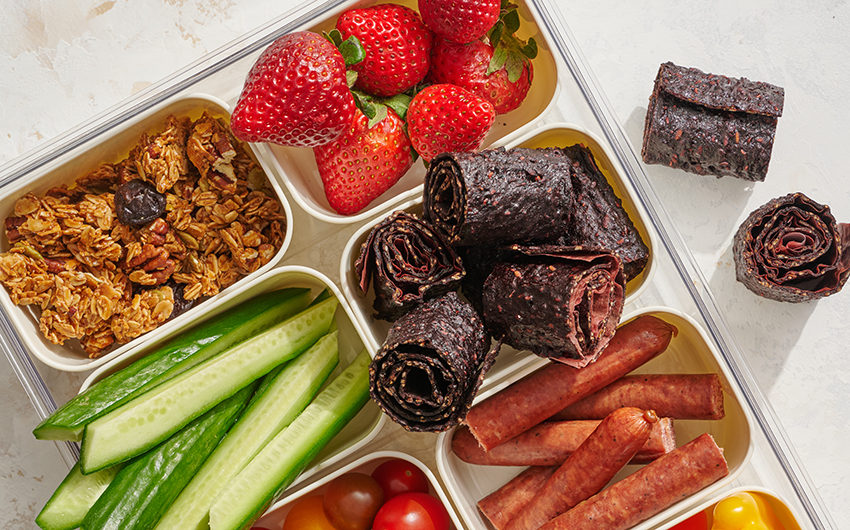
Elderberry Fruit Leather
Dried fruit is one of my favorite things to dehydrate, as it captures the goodness of summer fruits while creating a mess-free, long-lasting snack all year. Simple dried fruit is great, but fruit leather is a wonderful way to dry fruit as well, and so nostalgic for us ’90s kids. Throw it in a lunchbox, backpack or “snackle” box along with other goodies like jerky, nuts, cheese and crackers for a chewy, fruity treat that adds nutrition and flavor to your next adventure. I use elderberries here to add an extra boost of antioxidants and immune support, but you can make this recipe all your own using what you have on hand.
Other ancient methods of food preservation included fermentation, smoking, sugaring, salting, and, in cold climates, freezing, as well as newer innovations like canning and refrigeration, giving us a variety of ways to preserve food. Most folks now don’t have the need to preserve food simply for survival, but many of us continue to preserve our own food for a variety of reasons: to use up an abundance of produce from the garden or farmers market, put up foods procured through hunting or foraging, or even to add a layer of food security to your home.
So many foods from the harvest can be dried to make them shelf-stable; some of my favorites are tomatoes, apples and pears, hot peppers, ground cherries, leafy greens and berries of all kinds. Dehydrated food can be simply cut, dried and used as is—think simple dried fruits—or it can be reconstituted (soaked in water ahead of time to add moisture back to the product) to use in soups, dips or other recipes. This works well with foods like green beans, kale and eggplant. You can also create recipes with various foods to then dehydrate, creating a whole new delicious treat, such as jerky, sprouted nuts or homemade fruit leather. Dried foods are light and travel well, so you can make your own snacks for a road trip, camping or canoe excursion, or even to pack in a kiddo’s lunch (dried fruit survives much better in a backpack than fresh fruit!).
If you are new to drying food, you can find a wealth of resources online for how-tos, or check out one of the food drying books in the resource section below, so you will know the times and temperatures needed to make safe, long-lasting dried foods. Most commercial dehydrators come with settings and user guides that make them simple to use. Once fully dried, these foods will last months, years or decades in the case of freeze-dried food, especially if stored properly. I like to store dried food in bags or glass jars that have been vacuum-sealed so the food doesn’t take on moisture and stays fresh for a very long time.
Low-moisture foods like many herbs can be dried without the use of a dehydrator of any kind. Instead, they can just be hung up to air-dry or laid on a homemade drying system using framed screens. Simply place the herbs in a low-moisture area to dry until crisp. With your home-dried herbs, you can then make homemade teas or spice blends to give as gifts and to season food all year long. Be sure to dry and store your herbs whole, then crush right before use to maintain the most flavor, as the volatile oils are released when crushed before drying or storing.
Nutritionally, dehydrated food is not quite as rich in nutrients as fresh foods, specifically vitamin C and some B vitamins, which are lost when air-drying fruits and vegetables. This is much less the case with freeze-drying, as this method preserves even fragile, water-soluble vitamins very well. Fiber and minerals, such as magnesium, iron, calcium and iodine are maintained with good integrity with either method, however, and proteins like meat and fish hold onto most of their nutrients as well. All fresh produce loses some nutritional value during transport, storage and cooking, so I would not personally let the loss of some nutrients deter you from using food drying as a form of food preservation. Fresh, local food that is air-dried shortly after harvest is still quite nutritious and certainly has other benefits such as minimizing food miles, supporting local foodsheds, and ensuring your own food security.
For those looking to create portable, shelf-stable snacks and sustenance, I highly recommend trying out food drying. Whether you want to go super sustainable and low-tech with a homemade solar dehydrator or love gadgets and want to try out the more high-tech freeze-drying machines, you cannot go wrong with learning to preserve the abundance of delicious, local food in the summer so you can enjoy these foods at home or on-the-go, all year long.
More Stories by This Author

Edible in your mailbox
