

Horseradish is near and dear to my heart. An underutilized plant, horseradish is full of flavor and is a potent herbal medicine. It feels like a bit of an underdog; though it may not be the most beautiful or well-known plant in your garden, it packs a powerful punch of surprising goodness. If you know how to use this plant properly, it will provide you with many gifts.
Horseradish leaves grow tall and their roots grow deep, and they are incredibly hardy. These things practically take care of themselves; they are perennials, coming back year after year, and with a bit of weeding and thinning, you are good to go (horseradish can certainly take over a chunk of your garden if not thinned properly).
Though horseradish is native to Eastern Europe and Western Asia, it thrives in our region due to the similarities in climate. The plant was brought here with European colonists, as it has been prized for its medicinal and culinary values for centuries. Horseradish also has a special significance in Jewish culture, as its bitter properties have given it a place at the table during the Passover Seder. In our region, it is frequently seen in condiments for adorning brats—spicy horseradish may be the exception to the “Midwest nice” culinary tradition it seems.
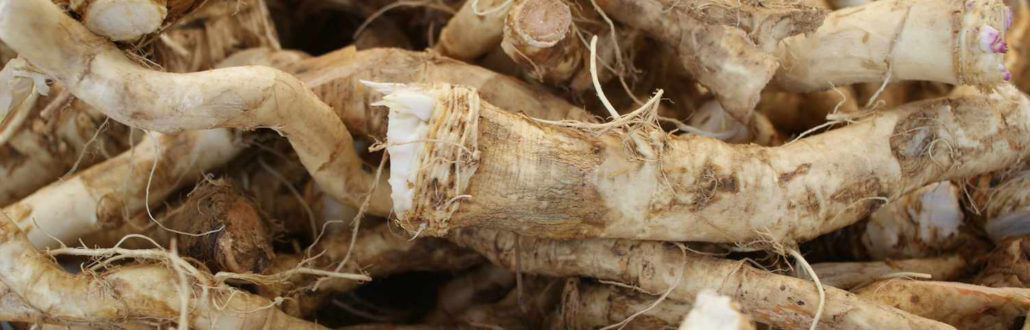
The long, white root of the horseradish plant is the part most commonly used and where its signature heat and flavor come from. Horseradish root possesses a special kind of heat reserved for few foods in our diet, one that is felt in the nose and sinuses even more than on the tongue. This pungent effect comes from oils similar to those found in mustard seeds, called glucosinolates. Horseradish is part of the brassica family, so it is a cousin to the mustard plant along with many radish varieties, cabbage, kale and broccoli. The type of horseradish grown here is also related to wasabi, known as Japanese horseradish. In fact, much of the wasabi used in the States is actually horseradish powder that has been tinted green, as they share the hot, pungent flavors and it is cheaper and easier to access.
The leaves are edible as well, with a mildly bitter, peppery bite, and can be cooked much like spinach or other leafy greens. Horseradish leaves are high in tannins, making them well-suited to add to pickled vegetables to help them keep their crunch.
Fall is the best time to harvest horseradish root, typically after the first frost to help sweeten the roots up a bit. This seems to dovetail nicely with its medicinal properties that are most called on this time of year. I like to use freshly grated horseradish root in my version of “fire cider,” a folk remedy where herbs and spices (such as onions, garlic, ginger, turmeric and hot peppers) are steeped in apple cider vinegar and raw honey. This tonic is typically taken at the onset of respiratory or gastrointestinal illness to help alleviate symptoms and has been used for ages by folk and professional herbalists alike.
The use of horseradish as a medicinal herb is well-documented and long-standing, and this role came before the root’s use in the culinary space. The sinus-clearing properties of horseradish root have been shown to be beneficial for supporting the lungs and upper respiratory system. It has been used traditionally for pain, cramping and ailments of the stomach. Once considered a “cure-all” as a folk remedy, horseradish was even the International Herb Association’s herb of the year back in 2011, showing its street cred among modern herbalists as well.
Fresh horseradish root can be used as-is, or dried for long-term storage, as well as fermented or frozen. The most common culinary use for horseradish root we see today is in the form of “prepared” horseradish, where fresh horseradish root is combined with vinegar and salt. The addition of vinegar helps to cut the bitterness of the horseradish root as well as to preserve it. You will frequently find it as an ingredient in mustard and cocktail sauce, among other condiments, often used to accompany various meats. Horseradish root can also be used to add flavor and heat to fermented foods like kimchi, beet kvass and pickles, as well as infusing to make a flavorful vinegar.
Because it is so strongly flavored, horseradish is typically used in small amounts to add a pop of flavor and heat to sauces and other dishes. Cooking does diminish its potency, so it is best used fresh or lightly warmed to maintain its distinctive flavor. A little goes a long way when it comes to horseradish!
When using fresh horseradish root be aware that the oils released during chopping or grating can cause similar effects to wasabi or onions: your eyes will water and your nose will run. You may even cough or sneeze. It feels almost medicinal just preparing the root to use, which I tend to enjoy. Do be sure to stand back and avoid big whiffs of freshly grated roots if using a blender or food processor to prepare them, as this can be overwhelming and cause undue distress.
Whether you want to beef up your perennial garden, add a punch to a dish or give your body some support during the colder months, horseradish is the plant for you. Don’t underestimate the humble horseradish root, a secret agent both in the kitchen and the herbal medicine cabinet.
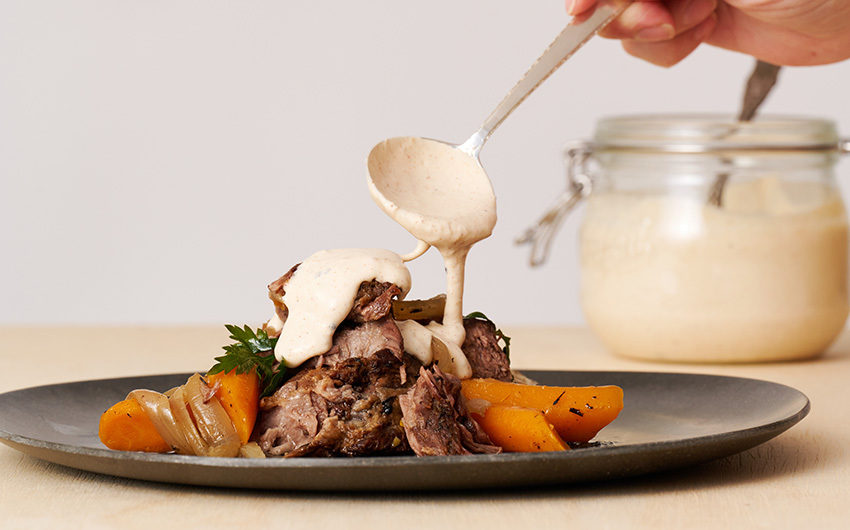
North-Meets-South Creamy BBQ Sauce (aka Alabama White Sauce with Horseradish)
Yes, it’s true: a cream-based BBQ sauce exists. Wisconsinites rejoice! Typically known as “Alabama white sauce,” this creamy, tangy condiment is usually paired with smoked chicken, but goes great on pork as well. Drizzle it on poultry or pork that has been roasted or smoked and see what the fuss is all about. An all-purpose sauce that’s full of flavor, this also goes great on pork rinds, potatoes or anything that needs to be taken up a notch—including fish fry!
Featured Recipes
More Stories by This Author

Edible in your mailbox
