

As an avid meat eater, one may not peg me as someone to get excited about plant-based proteins. In the case of tofu and tempeh, however, these are alternative protein sources that this meat lover truly does enjoy. Perhaps it is a remnant of my (long ago) vegan past, but it may be that these foods can actually be super tasty.
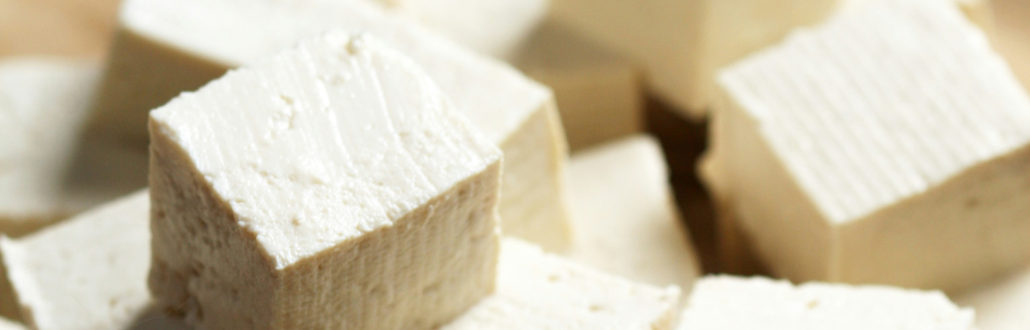
While the word “tofu” may conjure up images of Birkenstock-wearing (wait, those are back!), tie-dye-clad hippies, this food actually has an incredibly long history and cultural tradition far before health foodies got their hands on it. Also known as bean curd, tofu is made by combining cooked, pureed soybeans with a mineral salt-based coagulant—such as the traditional ingredient nigari, which is made from seawater—causing it to curdle and thicken. This mixture is poured into molds and pressed, creating its signature block-like shape. Firm tofu is most commonly used in modern dishes you see in restaurants and recipes today, but there are several other types of tofu, including silken tofu, which is very soft and blends well into recipes, as well as a type of fermented tofu known lovingly as stinky tofu. I am a big fan of sprouted tofu, where the soybeans are sprouted before being cooked and pressed, giving the tofu increased digestibility and higher nutritional content.
Tofu originated in China over 2000 years ago during the Han Dynasty. There is some debate over the exact method of invention; tofu’s discovery is often attributed to Chinese ruler Liu An who was searching for foods to increase his longevity, but there is a legend of an accidental discovery where coagulant-rich sea salt got mixed with pureed soybeans to form the first tofu, as well as the idea that Mongolian cheese-making methods were applied to soy milk, which resulted in a curdled and pressed product much like cheese. While we may never know the whole origin story, tofu has since been a part of the diet of many Asian cultures, including those of Japan, Vietnam, Thailand, Indonesia and beyond.
You can use tofu in a variety of dishes as a protein source and the uses for tofu are honestly endless. Silken tofu can be blended into smoothies and sauces for a protein boost. For those avoiding eggs in their diet, scrambled tofu makes a great protein-rich breakfast option. Firm tofu is a very common ingredient in stir-fries, curries, soups, spring rolls and sushi and is often seen in dishes like pad Thai. Firm tofu can be made even firmer and denser by pressing between two plates, which releases moisture and makes the tofu more toothsome. Most types of tofu, other than stinky tofu, are extremely mild in flavor and are chameleons, taking on the flavor of whatever seasonings they are cooked with.
Tempeh is tofu’s counterpart in a way because it is made from soy and comes in a block-like shape but tempeh truly is its own food. Tempeh is made from fermenting whole soybeans using a mold-based culture, usually Rhizopus oligosporus or Rhizopus oryzae. The mycelia from the mold fermentation weave the soybeans together to create a dense, firm cake. Tempeh’s flavor is nutty, savory and complex, but it also soaks up the flavor of whatever it is being cooked with like tofu does. Its very firm texture also makes tempeh a hearty and diverse plant-based protein option. Tempeh originated in Indonesia, where it is part of the national dish called gado-gado. For this prized Indonesian delicacy, tempeh is served alongside hard-boiled eggs, vegetables and rice with a creamy peanut sauce. I love tempeh diced up and mixed with mayo and other accoutrements to make a chicken salad-like dish, but it is also great in stir fries, tacos, salads and sandwiches (hello, tempeh reubens and tempeh BLTs!).
Choosing tofu and tempeh is an easy way to add protein for those on a vegetarian or vegan diet, but tempeh is notably higher in protein per serving than tofu, boasting a whopping 20 grams of protein per 3.5-ounce serving compared to just 8 grams in an equal serving of tofu. Even if you eat meat and simply want to experiment with adding these to your diet, there are other health benefits of tofu and tempeh as well. Some nutritional properties of both include B vitamins such as riboflavin and folate along with calcium, magnesium, manganese and fiber. Because tempeh is fermented, it has the added benefit of vitamins B12 and K2 which are created during the fermentation process. Through fermentation, tempeh is also made easier to digest and its nutrients are more easily absorbed than unfermented soy products.
As much as I love tofu and tempeh, I would certainly not jump to calling this article an “Ode to Soy,” as there are concerns about adding more soy foods to the diet that must be considered. While these traditional soy foods do have plenty of protein, fiber and other nutrients to their credit, those with certain health histories or risk factors may want to take caution with adding in extra soy. For some, precautions may need to be taken to not include too much soy in the diet due to its content of phytoestrogen compounds such as genistein and daidzein, which can affect estrogen levels in the body. Taking in too many estrogen-like compounds through foods, plastics and other means can throw off the natural hormone balance in the body. With soy, these compounds seem to be dose dependent, as there have been studies showing several health benefits of genistein and other isoflavones at low to moderate doses, but higher intakes being associated with negative health effects. Having a few servings of tofu or tempeh per week is likely safe, but the addition of nontraditional, highly processed soy foods such as soy milk or hydrolyzed soy protein on a regular basis may not be advised due to their higher phytoestrogen contents. Soybeans also contain goitrogens, compounds that interfere with thyroid hormone production and may cause imbalances when consumed in large amounts.
It is notable that the Asian cultures that traditionally had higher soy intakes primarily used fermented, minimally processed forms of soy with lower phytoestrogen amounts. They also had significant amounts of iodine-rich foods such as fish and seaweed in the diet, which helps promote thyroid hormone production, as well as also including many sources of protein such as meats and eggs. Be aware that nonorganic soybeans are also heavily sprayed with pesticides and are genetically modified, so if either of those issues are of concern to you, then opting only for organic tofu, tempeh and other soy products is a must.
If phytoestrogens or goitrogens are a concern for you, keep tofu and tempeh to a few servings or less per week and be sure to have iodine-rich foods regularly to balance this out. Also, consider including a variety of protein sources in your diet, not relying heavily on soy, especially if on a plant-based diet. Luckily, if you enjoy tofu and tempeh, meat eater or not, there are also soy-free versions of both of these foods if you are needing alternatives, including a Burmese chickpea tofu and tempeh made from several other types of beans and grains. This is great news for those who are allergic to soy and would still like to try these foods as well. You can even make your own tempeh at home and use whichever beans you like. The book Miso, Tempeh and Natto by Kirsten and Christopher Shockey is a fantastic resource for diving deep into all things tempeh as well as fermenting all sorts of traditional soy-based (and other beans and grains) foods and also has many ideas for using them in recipes.
For those looking to expand your horizons in the kitchen, take a culinary tour of another culture or add more protein to a meat-free diet, then experimenting with tofu and tempeh may just be for you.
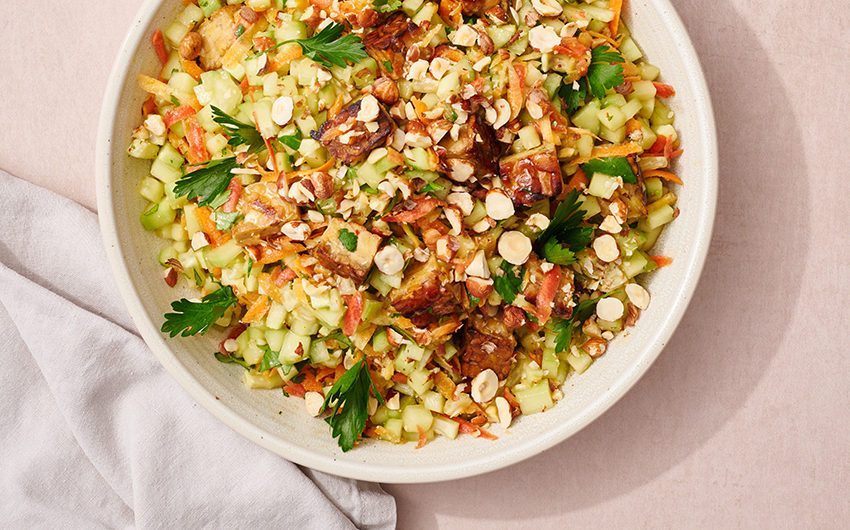
Tempeh Cucumber Salad
This salad is inspired by the flavors of gado-gado, the national dish of Indonesia where tempeh originated. It is light, crunchy and fresh while also being filling due to the addition of tempeh, and it is a stunner at a summertime picnic. This can be turned into a main dish by serving alongside rice or noodles as well. I like to make this several hours ahead of time so the cucumbers and tempeh can soak up all the dressing goodness; if you like your nuts extra crunchy, wait to add them until just before serving when making ahead of time.
More Stories by This Author

Edible in your mailbox
