

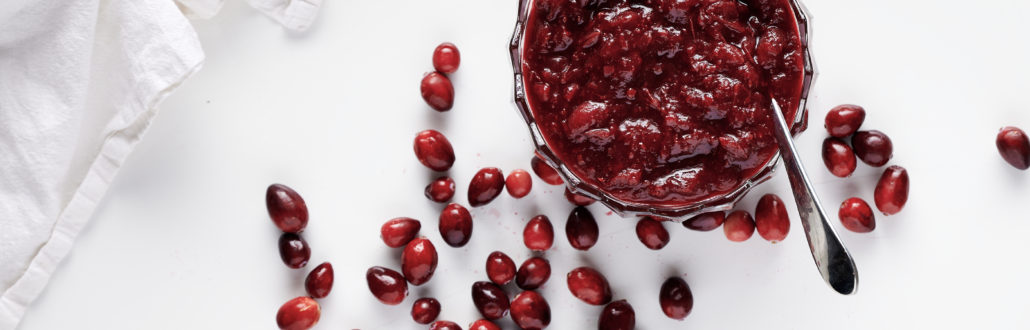
Am I the only one whose favorite holiday dish (pies aside, of course) is the cranberry sauce? If so, I hope to convert a few with this article and, if not, I’m happy to have my fellow cranberry lovers here to learn more about the health benefits and potential uses for cranberries in the kitchen.
The cranberry is one of the few fruits still eaten today that is native to the U.S., and Wisconsin is the number-one producer of cranberries in the country! While cranberries also grow in the northeastern and northwestern U.S. and parts of Canada, our state grows over half of the nation’’s cranberry crop—maybe Wisconsin should be rebranded as “the cranberry state”? The town of Warrens, Wisconsin hosts an annual cranberry festival that draws over 100,000 people to join in celebrating this local treasure, which should totally be a Wisconsin tourism bucket list item. The cranberry is not a new resource in this region; Native Americans, including the Ho-Chunk in Wisconsin and the Cree, Algonquin and Wompanoag in other regions, have been harvesting cranberries for thousands of years. Cranberries were often used in sauces and other dishes, including pemmican, where they were dried and mixed with tallow and dried meat or fish and formed into cakes to create a high-energy, portable source of nutrition.
While wild cranberries were found in marshes, in modern growing practices, cranberry vines are grown in man-made bogs. Here, they are flooded with several inches of water once they’ve ripened in the fall. The berries are separated from the vines with a machine and then float to the top of the water for easier removal. This process, called wet picking, is used by the majority of growers today; a small percentage of cranberries are harvested without the flooding step, known as dry picking. Wet picking leads to higher yields but a lower quality product, so these berries are used to make juice, jams and sauce. While dry picking is more labor-intensive, this is the method used to produce high-quality, whole berries that are sold fresh or frozen.
Unfortunately, growing cranberries commercially can be a chemically intensive process that can pollute and damage the watershed where the bogs are located, and kill wildlife and flora in the nearby bodies of water. Also, the large amount of water needed for flooding can compromise local rivers and streams. Organizations have formed in cranberry-intensive areas to protect the local watersheds, such as the Robinson Creek Preservation Association near Black River Falls, which are working to protect the riverways from agricultural chemicals, including those from cranberry farming.
So what is the solution to the potential cranberry problem? Luckily, the answer is not avoiding cranberry products all together: simply choose organically-grown cranberry products from small-scale producers. Buying berries that are grown without toxic chemicals helps protect the environment in areas where they are grown, and prevents you from ingesting them. Whole cranberries, which have been dry-picked, also have the benefit of not using flooding and therefore use less water in the harvesting process. Cranberries are too good a local resource to not use, especially because of their nutritional content, so just be sure to purchase wisely.
Like most berries, cranberries contain several health-promoting components, including vitamin C, phytochemicals such as quercetin, and antimicrobial properties that have been shown to be effective against bacteria such as E.coli and H.pylori. The cranberry is best known medically for its effectiveness against urinary tract infections and bladder issues, particularly due to the presence of proanthocyanidins and D-mannose in the berries. Cranberry is typically taken in extract or capsule form when used medicinally, but 100-percent cranberry juice without other juices or added sweeteners also contains high amounts of these nutritional components.
While the cranberry is most commonly served on Thanksgiving and Christmas, it can have many roles in cuisine. Cranberry sauce is typically served alongside turkey for these holiday meals, but it can also be paired with other roasted meats like beef roast or wild game like goose and venison for a nice balance of sweet and savory. Aside from cranberry sauce, fresh cranberries can be pickled, fermented, candied, or cooked into jam or pies. Dried cranberries are wonderful in scones, oatmeal, homemade granola or trail mix, or alongside walnuts in a crusty sourdough loaf. Of course, cranberry juice can be enjoyed as-is or mixed with other juices for a boost of sweetness, but the juice can also be used in homemade gelatin, ice pops or smoothies for a nutrient boost. Plain cranberries are extremely tart, so additional sweetness is almost always needed for balance and palatability–however, I have been known to enjoy some fresh, raw cranberries as a little sweet-and-sour treat (plus they pop when you bite them!). However you serve them, be sure to bring a cranberry dish to your holiday meal this season to represent “the cranberry state” and reap the bounty Wisconsin has to offer.
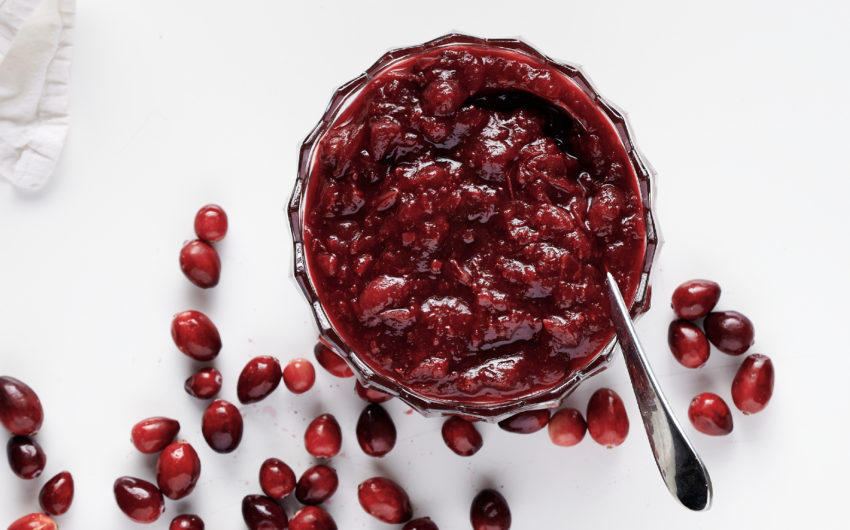
Ginger Citrus Cranberry Sauce
I make this sauce every year for Christmas but would totally eat it anytime during the winter when I am serving roasted meat. The leftovers are great on top of yogurt or oatmeal, or even used as a jam on some buttery sourdough toast. Not only is this sauce delicious, but it is also a great source of vitamin C. Feel free to increase the amount of maple syrup if you prefer a sweeter sauce.
More Stories by This Author

Edible in your mailbox
