

Dani Lind introduces us to this sweeter-than-celery vegetable (or is it an herb?)
Fennel is one of those foods—people are either crazy about it or totally intimidated by it. Over many years producing, peddling and preparing this amazing vegetable/herb (just which is it, anyway? Don’t worry, we’ll get to that later), I’ve learned a couple of things:
1. Fennel is one of the most fascinating, distinctive and multipurpose vegetables/hlerbs around.
2. It is also one of the most underutilized, as even the most diehard fans only use the bulb, while discarding the perfectly edible and versatile stems and leaves, and only in a few favorite recipes.
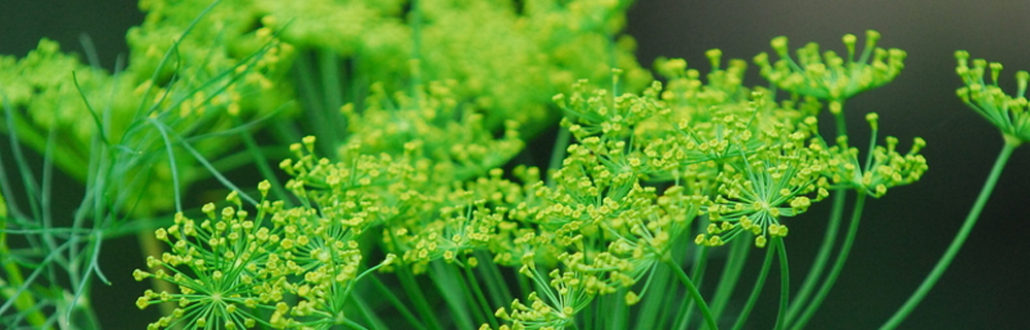
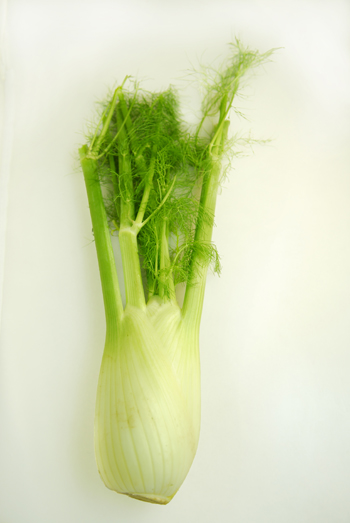
So to clear up this vegetable versus herb question: actually, it’s both. The fennel we’re talking about here—the one with the big white bulb, celery-like stems, and dill-looking leaves—is referred to as Florence, or sweet, fennel. The bulbs and stems are used as vegetables, but the leaves are used as an herb. It is a cultivated form of ancient wild fennel, which is still grown as an herb for its seeds. Both are members of the Umbelliferae family, which includes carrots, parsley, celery and dill. Native to the shores of the Mediterranean, the young shoots, leaves and seed-like fruit of wild fennel (also called “common fennel”) were used and revered by ancient Egyptians, Greeks and Romans. Fennel was—and incidentally, still is—touted as a digestive aid, vision enhancer, nerve calmer, cough suppressant and a lung and sinus decongestant. Greek myth associated it with Dionysus, and when Prometheus stole fire from Zeus to give to mankind, he stashed it in a giant stalk of fennel (think of that next time you cook fennel on the grill!).
Common fennel spread where the Romans led and can now be found growing wild across much of Europe, the Middle East, Asia, and subsequently, Australia and North America. It was used in countless medieval herbal remedies, even one for protection against witchcraft. The seeds are essential components of many cultural culinary traditions from Italian sausage to Chinese five spice powder, from French/Swiss absinthe to Indian Supari (those sweet roasted seed mixes chewed after meals).
Europeans started cultivating sweet fennel more as a vegetable than for seeds several hundred years ago. It was a favorite of such illustrious historical persons as Charlemagne and Thomas Jefferson, and became a common component in classic French and Italian cuisine. Shorter with a much more bulbous base than its wild cousin, this is the fennel we see in grocery stores and the farmers’ market today.
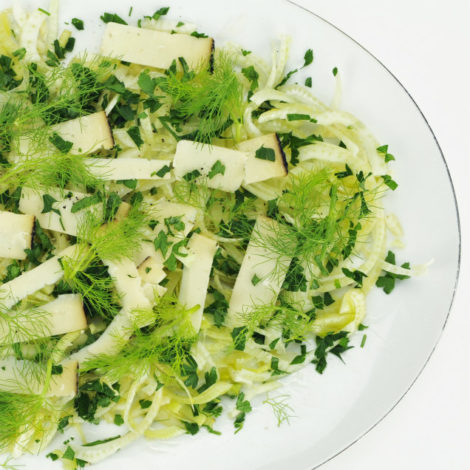
You can find locally grown baby fennel in early summer and mature bulbs summer through fall. Baby fennel is delicious chopped up in salads or braised whole, while the big guys are usually separated into their various components—leaves, stems and bulbs—which are used in different applications. The leaves are used as a fresh herb, similar to dill but with a strong anise flavor. They are delicious in salads or as a garnish on fish, chicken or soups. Many people throw away the stems because of their stringy texture and just use the bulb, but a quick peeling renders the stems tender, crunchy, and ready to add to anything from salads to stir-fries to soups. The stems also make a great substitute for celery, with a similar crunch and color but sweeter flavor. The bulbs go any way: raw thinly sliced or minced; blanched and marinated as a cold salad; sautéed or stir-fried; braised in white wine; roasted; simmered in soups, stews, curries or sauces; quartered, brushed with olive oil and grilled.
Fennel is a good source of vitamin C and several antioxidant phytonutrients (especially when eaten raw), as well as potassium and fiber. It works as a carminative—preventing or treating flatulence—and also aids in the digestion of rich foods, especially heavy meats and oily fish. Here are a few serving suggestions for both the fennel-frightened and the veteran fan to try this season:
- Braise quartered or sliced fennel bulbs in white wine with fish and capers
- Add fennel bulbs or stems to your favorite potato soup or gratin recipe
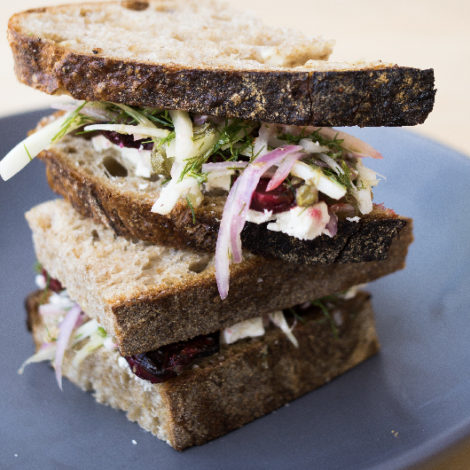
- Roast fennel and beets for a side dish or marinated salad
- Sauté with garlic, diced tomatoes and Kalamata olives to serve over penne
- Combine shaved fennel with orange or grapefruit wedges, red onions, fresh mint and white wine vinegar
- Caramelize sliced bulbs and serve on pizza or crostini with fromage blanc
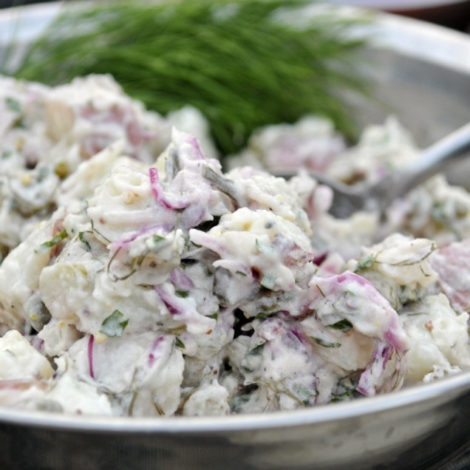
- Add minced stems instead of celery to tuna, egg, chicken and potato salads
Taste the season with these delicious fennel recipes by Dani Lind:
Fennel & Caramelized Shallot Gratin
Featured Recipes
More Stories by This Author

Edible in your mailbox
