


So many wonderful foods come from Wisconsin, which is a huge part of what makes living here so special and desirable. While we have plenty of local fare to offer—dairy, of course, meats, vegetables, fruits, grains and nuts, Wisconsin also produces several whole-food, natural sweeteners. Most folks are familiar with our abundant maple syrup and ambrosial honey, but a third sweetener can be found here: sorghum molasses.
Also known as sorghum syrup, this liquid sweetener may be more obscure than its locally produced cousins, maple syrup and honey, but it is every bit as delicious. Sorghum syrup is more prevalent in southern cuisine, so as a Missouri girl turned Wisconsinite, I was so pleased to learn that not only can I buy it here, there are even some brands that are grown and produced locally! I want to shine a little light on this sticky sweet nectar and spread the word of this amazing local natural sweetener.
Sorghum is a grain-like grass that can be used for making foods for human consumption, or it can be used as feed for animals and even ethanol production. One variety, also known as milo, is grown for its seed. Milo is used as a grain for cooking, often turned into flour and used in gluten-free baking products as a substitute for wheat. Another variety of sorghum is called sweet sorghum, which is the plant the sweetener is made from. Sorghum grows in warm, dry climates, such as the southeast and plains regions of the US, but can be grown in some parts of Wisconsin, with certain varieties such as Sugar Drip and Rox Orange working better in our shorter growing season.
It is important to acknowledge where many foods originated and how they arrived in our region, in addition to celebrating and appreciating them as part of our current local food offerings. Sorghum is not native to the US, but originally came here from Africa following slave trade routes, along with other valued crops like peanuts, rice, sesame seeds, black-eyed peas and okra. Sorghum grew in popularity as a sweetener in the 1860s when the Civil War disrupted trade and cut off the sugarcane supply from the Carribean, leading Americans to produce their own sweeteners. Sorghum eventually became part of Southern food culture in the United States, and we can now enjoy it in our neck of the woods as well.
While sorghum syrup is not as common as it once was, there are some areas of the country where syrup production continues today. The molasses you are likely familiar with is the byproduct of making granulated sugar from sugar cane, but sorghum molasses is made in its own unique way. In the fall, when the sorghum is ripe and ready to harvest, the stalks, also known as canes, are cut and pressed using a roller mill to extract the sweet juice inside; this is traditionally done with horses or mules to turn the mill. This juice is then cooked down, until it is thick and dark. When ready, the syrup has an appearance and consistency much like molasses made from sugar cane. Smaller-scale producers and Amish communities often still use traditional methods using livestock and wood-fire to make sorghum syrup, but larger businesses will often use modernized processes and equipment like those used in commercial maple syrup production. Either way, the result is delicious.
Sorghum molasses can be used much like cane sugar-based molasses or maple syrup in cooking. On the sweet side, it goes beautifully in cookies (hello, chewy molasses cookies!), sweet breads, homemade granola, candies, and pies like shoofly pie, or drizzled on biscuits, pancakes, waffles, oatmeal, sweet potatoes or baked apples. In savory dishes, sorghum can be used to add a bit of sweetness to sauces like BBQ sauce, marinades and glazes for meats, baked beans, and savory breads like cornbread or pumpernickel. Anywhere you might use molasses or other liquid sweeteners, you can typically use sorghum syrup instead. Sorghum molasses has a stronger flavor and is slightly less sweet than some other sweeteners, so be careful if trying to swap this one-for-one with other sweeteners and use it to taste.

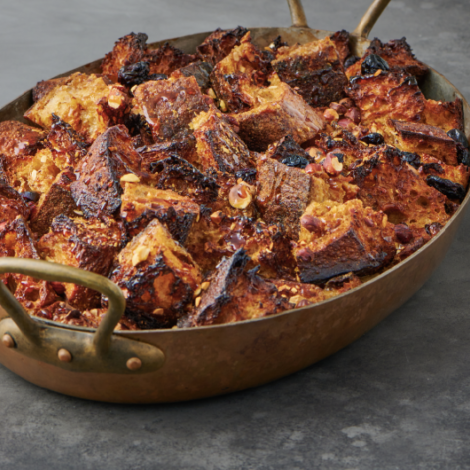
Sorghum Bread Pudding
Bread pudding is comfort food at its finest, and my version showcases a variety of foods produced right here in Wisconsin. Drizzle with a splash of cream to serve and pair it with a hot cup of coffee for breakfast or have as a dessert on a cool fall evening. Just be sure to use high-quality sourdough bread—local bakeries I’m loving right now include Origin Breads, Madison Sourdough, One Love, and Rhythm Bakery—to make this the best bread pudding you’ve ever had.
I like to use this sweetener not only because it is locally-produced and has an earthy, delicious flavor, but also because it has a high mineral content and can actually provide some nutrients along with its sweetness. Sorghum syrup, similar to maple syrup, provides antioxidants and minerals like iron, zinc, magnesium, calcium, phosphorus and potassium. While it is still sugar and is best consumed in moderation, it does have the extra benefit of some nutrition.
Like so many other great foods grown in Wisconsin, I recommend checking your area farmers markets, Amish stores or other independent retailers that offer local food items, such as food co-ops, to get your hands on some sorghum molasses. Most brands available in the area are small producers that can be found at farmers markets or roadside stands, such as the tasty nectar from Down Home Farm in Viroqua. Rolling Hills Sorghum out of Elkhart Lake is the biggest sorghum producer in Wisconsin and can be found at many local food retailers. Even Old Sugar Distillery in Madison is getting in on the action. They use Wisconsin sorghum to make their Queen Jennie whiskey, so even your favorite cocktail can be turned local—here I come, sorghum whiskey old fashioned! Whether in your favorite beverage or autumn comfort food, get cozied up this season with some local sorghum syrup.
Featured Recipes
More Stories by This Author

Edible in your mailbox
