

Sweetness, survival, spirit and strength. Whether for fall feasting or winter storage, these are the intrinsic qualities of indigenous ingredients.
Louise Erdrich’s children’s novel, The Birchbark House, is filled with captivating details about seasonal Ojibwa foodways practiced on Madelaine Island in the mid-1800s. The book’s brighteyed protagonist, a little girl named Omakayas, loves autumn because that’s when her clan travels to their wild rice grounds, where there were “cousins to play with, games in the rice camps, the pleasures of talk, feasting, more talk, more visiting and feasting.”
Fall is also when her family stored food for the winter. One of my favorite passages in the book describes how Omakayas’s mother would fill a deep, bark- and grass-lined hole with a stockpile for the scarce days ahead:
Sweetness, survival, spirit and strength. Whether for fall feasting or winter storage, these are the intrinsic qualities of indigenous ingredients. We may live in modern times, but our need to savor them is timeless.
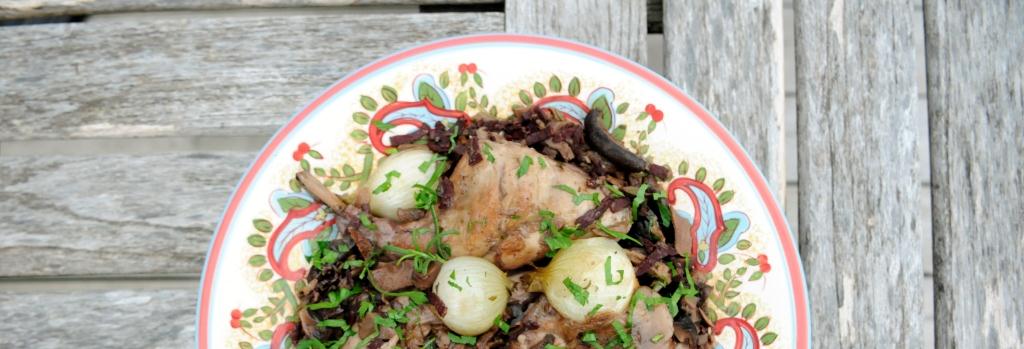
Bring some indigenous into your autumn menu with these wonderful fall recipes:
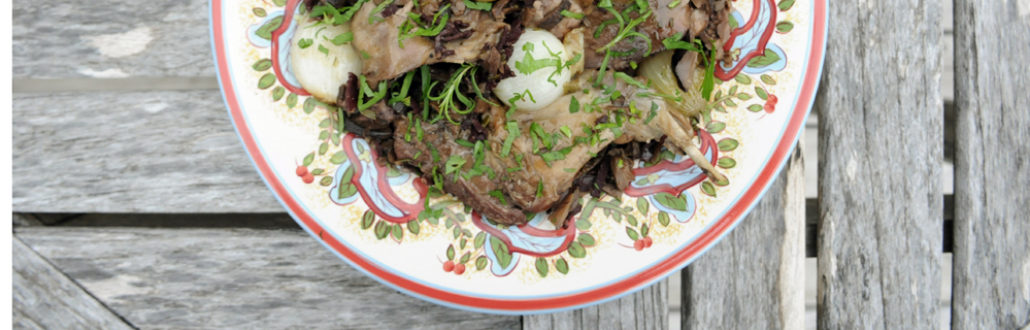
Rabbit with Wild Mushroom Fricassee
Cranberry Beans and Bison Bacon with Grilled Polenta
More Stories by This Author

Edible in your mailbox
