


Eating a perfectly ripe stone fruit, with juice running down your chin and forearm, is the ultimate summer experience.
While warmer, southern states may get most of the glory for growing these summertime gems, Wisconsin certainly has a lot to offer when it comes to stone fruits.
A family of fruits that includes peaches, apricots, plums, sweet and tart cherries, and nectarines, as well as some hybrids like pluots, stone fruits are named for—you guessed it—the stone, or pit, in the middle of the fruit. This pit is surrounded by the fruit’s dense flesh and has a skin that is either smooth, like a plum, or fuzzy, like a peach. Cherries and wild plums are both native to Wisconsin, as they are more cold-tolerant. Our neighbors to the northeast in Door County are well-known for cherry production, but the Driftless Area can also be a great place to source local stone fruits, including cherries and more. Apricots and peaches are native to China and prefer a warmer climate, which is why they thrive in places like Georgia, but can be grown here with a bit of greenhouse magic. This has enabled local growers, such as Down Home Farm here in Viroqua, to offer these at summertime farmers’ markets. Though the growing season may be shorter, diminishing their availability, it is worth waiting to savor those special local peaches during that short window, rather than settling for a California-grown version in the middle of winter.
Of course these fruits are sweet and delicious, but they also offer plenty of health benefits. The nutritional content varies a bit across the family of stone fruits, but they all provide vitamin C, prebiotic fiber, and potassium. The orange-colored fruits like peaches and apricots offer more beta carotene, while tart cherries’ antioxidant content has been shown to improve joint conditions such as gout and arthritis. Cherries, both sweet and tart, are also rich in melatonin, a naturally-occurring compound necessary for good sleep and circadian-rhythm regulation.
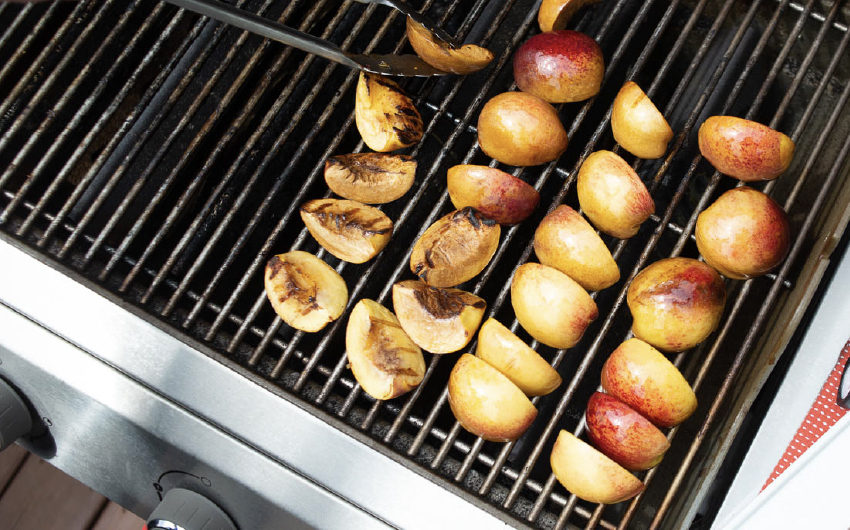
Grilled Peaches and Feta with Honey
A wonderful dessert option that doesn’t require you to make a crust, this can be done on an outdoor grill if you have one available, or indoors on a cast-iron grill pan. Substitute other stone fruits if peaches aren’t available–this would be great with nectarines or plums as well. Optional garnishes include toasted hazelnuts or sliced almonds or, heck, a nice scoop of vanilla ice cream.
Stone fruits tend to have a short shelf-life, making them a summer treat to seize while one can. I recommend storing stone fruits at room temperature and eating promptly for maximum flavor and best texture. If you buy a large amount or can’t quite eat them before they turn, cooking or processing them for long-term storage is a great option. Cherries can tolerate a bit more cold, so you can refrigerate them for a few days if you need to extend their shelf life.
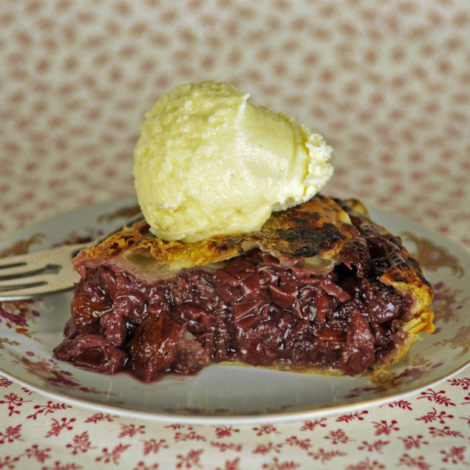
Eating stone fruits raw and as-is can be a simple way to enjoy them, but they have many uses in the kitchen as well. They can also be cooked and then added to dishes, by grilling, roasting or stewing, all of which bring out their sweetness and incredible flavors; cooking them first is my favorite way to enjoy stone fruits. Peaches, plums and cherries seem to be made for encrusted desserts like pies, tarts, cobblers and galettes, but homemade ice cream is another dessert in which these can shine. Stone fruits pair well with dairy, as well as nuts such as hazelnuts or almonds (almonds are actually in the same family as stone fruits!). You can also keep it simple and slice the fresh fruit on top of yogurt, oatmeal, or ricotta toast, or get wild and lightly ferment them for chutneys and salsas. Stone fruits can also go savory—think peach barbecue sauce or plums with roasted meats.
If you can, try to buy local stone fruits in bulk, and go in on a group buy if need be, so that you have plenty of extras for later. Why not capture a bit of sunshine to keep around all year long? Find your favorite recipe for stone-fruit-based preserves, jams, or butters, canning (or freezing) a few jars for your pantry. You can also pit and slice the raw fruit, then freeze it in zip-top bags to use for smoothies or desserts later on, giving yourself the gift of summer later in the year. Hello, warm peach cobbler in November!
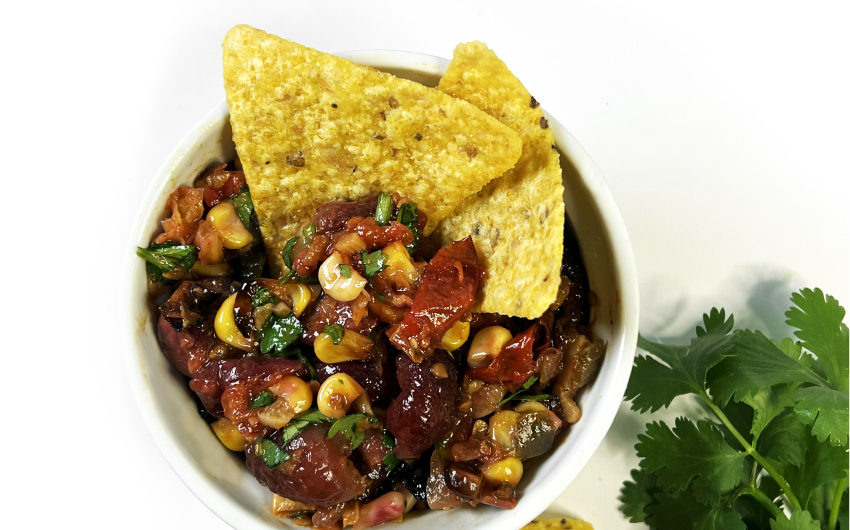
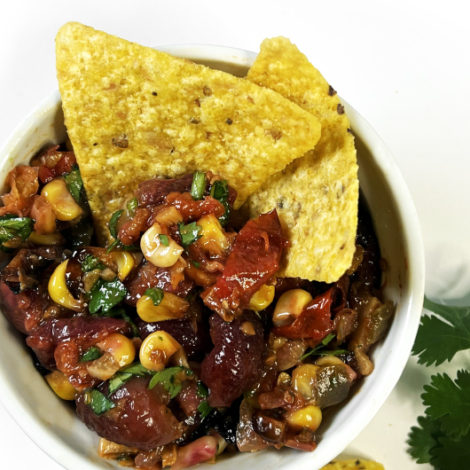
Roasted Cherry and Corn Salsa
This sweet and savory salsa can pair with your favorite tortilla chips, adorn grilled meat, or garnish tacos. Change the heat level by removing the pepper seeds for less heat, or use a hotter variety of pepper for more spice.
Featured Recipes
More Stories by This Author

Edible in your mailbox
