

There is so much to look forward to in the spring, and fresh produce is certainly at the top of my list. In our northern climate, however, the fresh produce available to us in early spring is limited. Fortunately, there are ways to extend the growing season that farmers have been honing for centuries, starting as early as the 1670s in France. These time-honored traditions allow some garden crops to be harvested earlier than would normally be possible if planting in the spring. The general term for these techniques is “overwintering,” which can include several different strategies.
The need for overwintering is due to the fact that few common garden vegetables naturally survive southwest Wisconsin’s cold winters. The typical plant hardiness zones for our region are 4 and 5, with average wintertime lows being -10 to -25 degrees Fahrenheit. These hardiness zones indicate what produce will survive the winters here. While there are many perennial plants (those that grow year after year) that can survive and thrive, most plants cannot and they need more support to make it through the winter. Thus, farmers and gardeners over time have come up with ways to extend their growing seasons, which not only allows for earlier harvests, but also improves food security and resiliency in local food systems, can improve revenue for farmers and even makes crops more delicious.
One of the simplest ways to overwinter vegetables is to plant winter-hardy crops in the late summer or early fall, then harvest in the spring. This can be done by direct seeding or planting starts (another word for young plants), depending on the vegetable. By planting a season ahead, the vegetables get an early start, beginning in the later part of the growing season then going dormant over the winter. Some growers will cover their crops with hay or other mulch for increased insulation, though this is not always necessary and should be removed as soon as the temperatures begin to warm. While it is too cold for the crops to grow while temperatures are as cold as they get in our region, they are still very much alive and active. During this time, these plants send sugars—the plant’s energy source typically reserved for growth—into the plant to be stored. This sugar storage during the plant’s dormancy helps protect it from damage in frigid temps, but also makes for a much sweeter, more flavorful crop when harvest time comes. This process is known as “cold sweetening.” This stored energy then allows the plant to grow and be ready to harvest much sooner than crops that are planted in the beginning of the growing season.
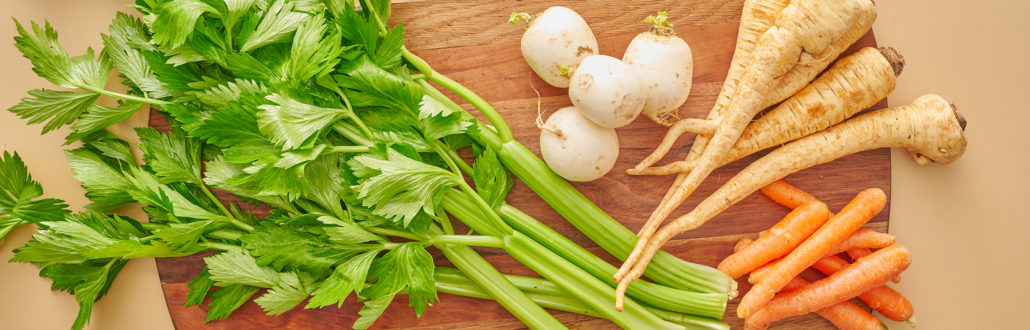
There is a small window for an early harvest of overwintered produce that happens as soon as the sunlight starts to increase and the ground thaws in the spring, but it must occur before too much growth takes place, as these crops will bolt (go to seed) quickly because of their abundant stored up energy. Bolted plants rapidly lose flavor and texture, so the harvest must happen in this sweet spot to be optimal. Not all garden crops can tolerate this type of overwintering, but there are a few that can survive the cold. Examples of vegetables that can be overwintered using this method include parsnips, carrots, radishes, turnips, potatoes, beets, spinach and other leafy greens. Garlic is also wonderful to overwinter because it requires a long growing season; this is harvested in the summer rather than spring, however. Refer to resources like Johnny’s Seeds and books like The Winter Harvest Handbook by Elliot Coleman for specific planting dates, which may vary based on the vegetable variety and your location.
Another way growers in cold climates extend their season is to use coverings such as greenhouses, hoop tunnels, cold frames and movable row cover. With each added layer of covering, you essentially move your crops one zone south (warmer) in the plant hardiness zones, meaning the plants do not get as cold in the winter and can be harvested sooner. With the added warmth and concentration of sunlight these covers offer, some produce not only survives the winter but can even slowly grow, especially on warmer winter days. Some vegetables, such as leafy greens, carrots, and leeks grown in a greenhouse or similar covered structure can even be harvested during winter, as they will thaw and be ready to harvest as soon as there is ample sun. Snug Haven Farm in Belleville, a fixture in the Madison farmers’ market scene, is a great example of a local farm using greenhouses to produce a harvest all year.
Growers in our area can actually use the cold to their advantage and ensure local produce year-round by using a root cellar as a method of overwintering. Once your crops come out of the ground, you can keep “harvesting” them all winter from your cold storage in the root cellar. A root cellar with a temperature that stays between 32 and 40 degrees Fahrenheit (as is typical in our region with a properly-built cellar), paired with high humidity, will keep summer- and fall-harvested produce fresh and ready to eat in the spring, long before other produce is available. Potatoes, cabbage, onions, apples, carrots and other root vegetables store very well in root cellars. This is great news for market growers who rely on their produce for income, as well as gardeners and homesteaders who want to reduce food waste, keep food costs down and enjoy their own bounty as long as possible. It is important to note that, since the produce stored in a root cellar has already been harvested, it will lose some nutritional value when stored. There are still plenty of nutrients in cold-stored produce, however, and these are certainly a preferable option to produce grown thousands of miles away that also lose nutrition during transport and storage.
While perennial plants that grow in our zone can typically survive our winters, there are a few that do not tolerate the cold and are often grown here as annuals (plants that need to be replanted each year), though they can keep growing season after season if protected from the harsh cold. For perennial plants that are not cold-hardy, potting up small plants and then bringing them inside your home is a way to help keep them alive through the cold season. This works well with plants such as some herbs and peppers, both hot and sweet. Once spring comes, transfer these temporary houseplants back out into your garden to continue enjoying all spring and summer.
While there are many different techniques for keeping your harvest going during the cold season, the big takeaway is that, with overwintering strategies, we’re not restricted to one distinct growing season. If you are a grower, either commercially or as a hobby, you can keep gardening all year long using these various methods of season extension. If you are not a grower but are someone who favors local foods for their flavor, nutrition and ability to support local folks and food systems, then seeking out overwintered vegetables such as parsnips, greens or carrots in the early spring is the perfect way to support local farmers through the whole year.

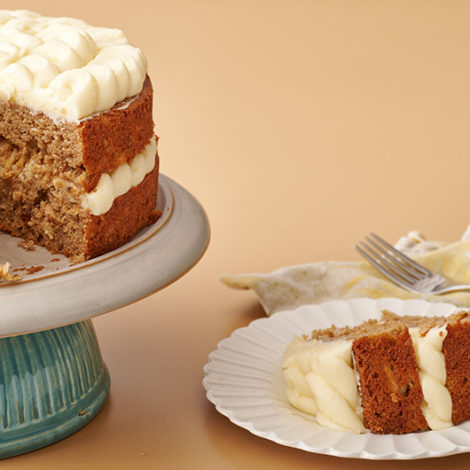
Spring-Dug Parsnip Cake with Lemon Cream Cheese Frosting
This dessert is carrot cake’s cool, indie cousin. Featuring spring-dug, super sweet parsnips alongside flavors like cardamom, lemon and tangy cream cheese, this cake is sure to please at your next gathering. This makes a double-layer cake, but it can be made into two dozen cupcakes as well; simply line cupcake pans with liners before pouring in the batter and reduce the bake time to 20–22 minutes. Can’t find parsnips? This cake can be made with carrots and will still be totally delicious.
Featured Recipes

More Stories by This Author

Edible in your mailbox
