


This is an ode to the humble bean. While they may be unassuming, beans are actually little nuggets of nutrition that are eaten all around the world, showing up in just about every cuisine imaginable.
Dried beans last indefinitely if stored in a cool, dry place like the cupboard, where they will be ready to use anytime, such as when going to the store in bad weather is out of the question. You can stock up on a variety of beans, buying in bulk to keep in your larder all winter long. Beans are also an affordable way to “stretch” a meal, adding nutrition and bulk for very little cost, which is beneficial for the body and budget, and would likely make your grandmothers proud. I even consider beans a comfort food in a way, as they are soft and starchy, while a bit toothsome, and are often found in soups and stews that provide warmth in the cooler months. Finally, beans are increasingly becoming part of the foodshed here in Southwest Wisconsin, with organic, often heirloom, varieties on offer from local farmers such as those at Meadowlark Organics. For all these reasons, I think of beans as a perfect winter food—especially for this odd and unfamiliar winter.
When I use the word “bean,” I am referring to the whole family of legumes that include beans, lentils and peas, all of which are nutritional superstars. Beans are probably best known for being high in fiber. The main type of fiber that beans contain is soluble fiber, which acts as a prebiotic to feed the beneficial bacteria in the gut to promote a healthy microbiome. A robust and diverse population of gut microbes has been linked to improved digestion, immune health and inflammation. Beans are among the highest-fiber sources of carbohydrates, which gives them a lower glycemic index and help with blood sugar control. For those, like myself, who eat meat, and vegetarians alike, beans are also a plant source of protein. Beans also provide multiple B vitamins and several minerals, including many that act as antioxidants.
I recommend using dried beans, rather than pre-cooked and canned, whenever possible. Dried beans are cheaper, and have a longer shelf-life . However, I do like to keep a few cans of cooked beans on hand for a quick weeknight meal, just in case meal prep/life doesn’t go according to plan.
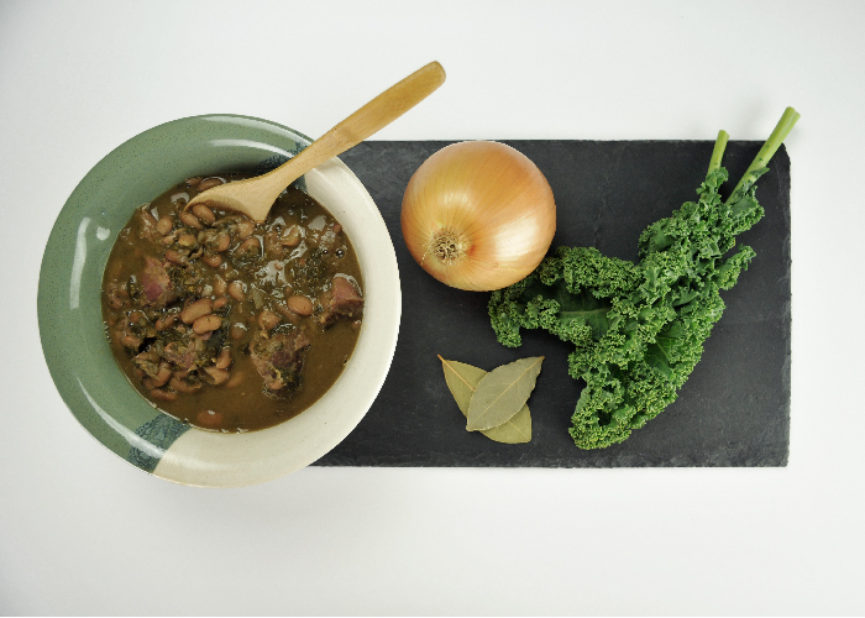
Cooking with dried beans does require thinking ahead—at least a day or two, if you pre-soak them. There are two camps in the bean soaking debate, but I am firmly on the “do soak” side. Pre-soaking beans speeds up the cooking time, and offers nutritional benefits. Just like grains, nuts and seeds, beans are more digestible if soaked prior to cooking. Beans contain carbohydrates that can be difficult to digest, which can lead to some less-than-desirable symptoms (heck, they even made a song about it!), but soaking pre-digests these starches to reduce those unwanted side effects. Soaking before cooking also decreases the content of phytates, oxalates, and lectins—anti-nutrient factors found in the seeds of plants, including beans. Removing these compounds helps make the many minerals in beans more available to the body. To me, the extra step of soaking is well worth a little bit of time and effort for the nutritional payoff.
Once your beans have soaked for 1-2 days, they are ready to strain and cook. The cooking can take up to a few hours, so put on a pot of beans while you watch a movie if you need to pass the time. For hands-off cooking, use a slow-cooker, or opt for a pressure cooker (such as the InstaPot) if you are in a time crunch. To avoid underdone or tough beans, be sure to cook beans without acidic ingredients (such as vinegar or tomato)(8).
Once cooked, beans can be added to just about anything under the sun. I like to make an extra-big batch of beans to use in a variety of meals throughout the week. For warm and comforting meals, throw them into soups, stews, curries or chili. Simmer them in bone broth with a handful of fresh herbs for an easy side dish or combine with whatever meat, veggies, and grains you like to create a one pot meal. This is a perfect medium for using up leftover bits of fridge goodies, reducing food waste in your kitchen. Or use chilled beans as the base for a salad, puree them to make a dip (homemade hummus, anyone?), or refry to accompany tacos and fill pupusas. I even like beans for breakfast, combining them with eggs and avocado on a weekend breakfast burrito bar, or going English-style with baked beans on toast. Many cultures even ferment beans, adding a probiotic boost and further improving their digestibility. I even know some recipes that use beans in desserts such as brownies. Is there anything beans can’t do?
Sources:
1) “Prebiotic Diet - FAQs.” Department of Gastroenterology, Monash University, 23 Feb. 2020, www.monash.edu/medicine/ccs/gastroenterology/prebiotic/faq.
2) “Beans & Glycemic Index/Glycemic Load.” Bean Institute, beaninstitute.com/beans-glycemic-index/.
3) 22, March, ASN Staff. “Protein Complementation.” American Society for Nutrition, 7 Aug. 2019, nutrition.org/protein-complementation/.
4) Uppal, Veny, and Kiran Bains. “Effect of germination periods and hydrothermal treatments on in vitro protein and starch digestibility of germinated legumes.” Journal of food science and technology vol. 49,2 (2012): 184-91. doi:10.1007/s13197-011-0273-8
5) Shi, Lan et al. “Changes in levels of phytic acid, lectins and oxalates during soaking and cooking of Canadian pulses.” Food research international (Ottawa, Ont.) vol. 107 (2018): 660-668. doi:10.1016/j.foodres.2018.02.056
6) Nosrat, Samin, et al. Salt, Fat, Acid, Heat: Mastering the Elements of Good Cooking. Simon & Schuster, 2017.
Featured Recipes
More Stories by This Author

Edible in your mailbox
