

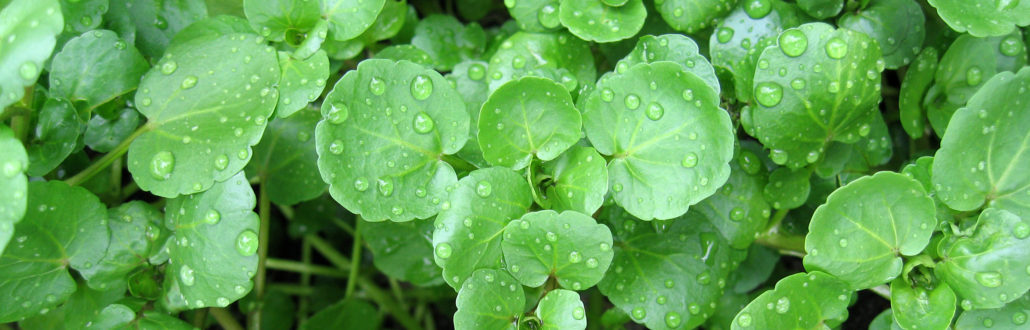
Coming upon a patch of watercress growing in the wild is a feast for the senses: a blanket of lush, bright green leaves covering a sweet, still spring or a babbling brook, waiting to be harvested and enjoyed by the lucky forager. On a particularly lovely spring day, you may even feel like you have discovered a fairy habitat, it can be just that magical and beautiful. Fortunately for those of us in southwest Wisconsin, this scene is not very hard to come by—watercress can be found abundantly, if you know where to look.
Wild watercress is a small, green leafy plant that grows, as you may have guessed, in water rather than soil. You may have seen it growing near roadsides as you drive—a small pool or stream with edges covered in green leaves is likely to be a place where watercress is growing. Watercress has a unique flavor that is a little bitter and spicy, like the kick found in mustard greens. This makes sense, as it is a brassica, the same family as mustard greens, as well as broccoli, cabbage and radishes. It can be eaten raw or cooked, and has a wide variety of culinary uses. It seems this wild green has been consumed for thousands of years, and it is easy to see why: it grows vigorously and is fairly ubiquitous, easy to harvest, tastes delicious and is loaded with nutrients.
Like most wild foods and other vegetables in the brassica family, watercress is a nutritional powerhouse, providing vitamins, minerals and anti-inflammatory phytochemicals like quercetin, lutein (noted for eye health), polyphenols and glucosinolates—one of the compounds responsible for its distinctive flavor. Watercress also provides beta-carotene, vitamins C, K, E, and B6, thiamin, folate, calcium, iron, iodine and fiber, making it a delicious way to add nutrient density to your diet.
Watercress is a perennial that grows on the edges of freshwater sources that are spring-fed, such as streams and ponds, and can be found around the world. It originated in Europe and was brought here to be used for food, so watercress is not native to our area, despite its ability to thrive here. The young, more tender leaves are round and as the plants get older, the leaves grow into a longer, more oval shape. Watercress also has long, tendril-like roots that grow into the water below the leaves. For the best quality watercress, carefully harvest with scissors or a harvesting knife above the waterline. Watercress can be harvested year round, even in winter, though spring tends to be a much more enjoyable foraging experience for most folks—you could even look for some other goodies like nettles while you’re out there! The flavor also intensifies as the plants age and many prefer its flavor when it is young, before flowering.
Watercress can also be cultivated, and can often be found at co-ops and other grocery stores that stock local produce. If you are considering creating your own watercress patch, keep in mind that it can spread and can take over significantly. Do not plant watercress in rivers or streams, where it can damage native habitats. Cultivated watercress can be grown in wet, organically rich soils rather than water, which can help avoid further invasion. It is generally advised not to intentionally grow wild watercress at this point due to its invasive nature; there is plenty around, so try to enjoy some already growing in the wild!

Because it grows in water, there are some unique considerations when it comes to harvesting and eating watercress. Starting with correct plant identification is essential, of course. Getting acquainted with watercress before foraging is a good idea. Find a reliable foraging book, workshop, or friend (or better yet, all three), to help ensure you are harvesting the correct plant and doing it with care for the land. It is considered an invasive species, so harvesting plenty to eat is usually just fine. Once you have a plant ID and permission to harvest squared away, it is very important to ensure the water source is pristine where the watercress is growing. If the water is contaminated, then the watercress will be as well. Look for watercress growing in potable water, away from agricultural and livestock areas and land that is prone to flooding (which can cause bacteria and parasites to harbor in the typically clean above-water leaves).
Even when grown in clean water, there can still be food safety concerns with consuming watercress, particularly when raw, due to the nature of how it grows. Inspect your harvest for any critters or debris before consuming. If you have a compromised immune system, it is generally recommended that you only consume watercress that has been cooked. Cooked or raw, it is important to thoroughly wash any watercress before consuming to prevent food-borne illness. One notable food safety issue with watercress is liver flukes, a type of flatworm transmitted through food. Watercress is the primary source of liver fluke infections in humans. These are killed through cooking, making cooked watercress very safe to eat. If harvested properly from clean sources, and especially early in the growing season, even raw watercress can be considered safe for most, except for those at high-risk for food-borne illness. For an even deeper dive into harvesting and preparing watercress (and liver flukes!) check out Alan Bergo’s Forager Chef website and Incredible Wild Edibles by Samuel Thayer, two experts in the field.
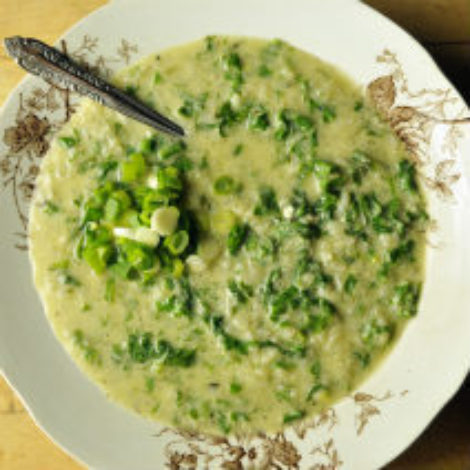
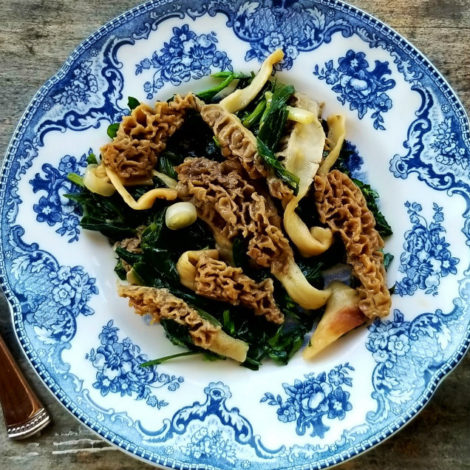
Watercress can add its peppery, bitter notes to many dishes and can be used alone or in a combination with other greens as well. If you are going to cook the greens, they are delicious in a springtime soup, used in place of or alongside mustard greens in the Indian dish saag paneer, or the Ethiopian dish gomen. A light sauté with a bit of butter and salt can turn watercress into a delightful side dish, filling for omelets or as an addition to a very grown-up grilled cheese. Used in its raw state, fresh watercress will have a stronger flavor and can adorn any sandwich or salad, and is quite tasty on top of a bagel with lox and cream cheese. Its powerful flavor lends watercress to sauces, and it can be a great pop of flavor in oil-based sauces like pesto, chimichurri, salsa verde, zhoug, or green goddess dressing or any yummy green sauce, really.
If you have not experienced eating or foraging for watercress, this may just be the spring you go wild and try something new. This is prime foraging time, and whether for its nutritional value, delightful flavor or just for the experience of harvesting your own food, I encourage you to get on your waders (or borrow a pair from your trout-fishing friend) and go on the hunt for some fresh watercress…who knows, maybe you’ll see a fairy or two (or make a new foraging friend) while you’re out there!

Watercress and Chèvre Stovetop Frittata
An impressive brunch dish or an easy weeknight meal, this stovetop frittata comes together quickly—as long as you have fresh watercress on hand, that is. Eggs are a perfect backdrop for its pungent flavor, and creamy chèvre joins the party to round it all out. Young watercress tends to resemble its cousin, arugula, in flavor profile. You can substitute arugula or mustard greens, or milder greens like nettles or spinach in this recipe if necessary.
Featured Recipes

More Stories by This Author

Edible in your mailbox
