


Adding more diverse, bitter flavors into your diet can offer many health benefits, including decreased bloating and heartburn, improved liver detoxification, regulation of blood sugar, and increased satiety.
The phrase “bitter pill” has a negative connotation, but in the body, the bitter taste is a necessary and even beneficial part of our physiology. I always think of bitters in the springtime, when spring cleaning is on everyone’s mind and most of us feel ready for some refreshment and cleansing after a long winter of indulgence and rich foods. This is where bitters come in.
Throughout the last century or so, the increase in processed foods and decreased intake of wild plants has dramatically changed the amount of bitter foods found in the modern diet. Through generations of cultivation, bitter flavors have been bred out of the plant foods of today, causing us to favor sweetness over bitterness. Because of this, our collective palates have largely become bland and domesticated, in contrast to the robust and diverse palates of our ancestors. Bitter-tasting plant foods that were once commonplace in ancestral diets are no longer appealing to most people, making these foods less salable, even at local farmers markets.
Found mostly in plant foods, the bitter taste comes from a variety of chemical compounds that are detected by the bitter taste receptors in the mouth. These constituents are present in plants to offer protection, deterring predators from consuming too much of them and wiping them out. However, in our bodies, they are hugely beneficial. Though some bitter plants are signaling poison or to limit its consumption, most bitter plant foods encountered today signal the body to improve its detoxification pathways and get stronger.
Plants can range from mildly bitter to strongly bitter and are often accompanied by other tastes to provide balance and palatability. Common bitter foods and beverages include cocoa, coffee, and tea (usually combined with sugar to help mellow the taste),citrus peels, and leafy greens like turnip greens and endive. In general, the peels of most fruits and vegetables provide more bitterness than the sweeter inner parts. When we peel all of our produce and only favor the starchy or sweet portion of the plant, we remove the bitter quality. Leaving the peel on our produce, when grown organically, is an easy way to add more bitter taste to our diet, reaping the associated benefits along with extra fiber.
Many spices used in cooking offer slight bitterness as well, such as ginger and fennel, and are known for aiding digestion. Some herbs are used medicinally for their bitter properties, such as burdock, dandelion, and yellow dock.
Bitter’s popularity is growing in the world of alcohol. Some bitter herbal liqueurs, known in Italian as amaro, are used in aperitif and digestif cocktails, such as Campari in the Negroni cocktail. These are traditionally served either before or after a meal to stimulate appetite and improve digestion. These are widely used in parts of Europe and are becoming more common in the States. Beers that are very bitter, such as IPAs, get their flavor from the addition of hops. These have inundated the craft beer industry and are one of the most widely accepted bitter foods today. The acceptance of these cocktails and beers gives me hope that the general public is ready to add bitter foods back into their diets again.
The bitter taste, perceived first by our tongues, is the only taste with receptors throughout the digestive system, not just in the mouth. Bitter is most known for promoting improved digestion, offering benefits such as decreased bloating and heartburn, improved liver detoxification, regulation of blood sugar, and increased satiety. Bitter foods and herbs can be used regularly to maintain balance in the gut, or as needed with or between meals to soothe and improve digestive functioning. Bitter signals stimulation, increasing efficiency in metabolic processes and promoting movement and detoxification throughout the body. It also challenges the body, especially the liver, increasing resilience to toxins and other assaults from the outside world. Bitters also indicate nutrient density, as these compounds offer health benefits beyond their taste, such as antioxidant properties. With the bitter flavor being processed out of modernized food, we have also lost many of the essential nutrients these foods have historically offered, including phytochemicals that help protect the body from free radicals and oxidation, reduce inflammation, and even protect against diseases like cancer.
If you suffer from digestive ailments, poorly regulated blood sugar, or just frequently overindulge on processed foods or alcohol, adding more bitter foods may be helpful for you. These don’t have to make up a large portion of your diet, but incorporating them regularly, even in small amounts, will offer some benefit. To get more bitter into your diet, start by increasing diversity in your plant intake and opting for less processed foods in general. Keep those peels on when possible, use citrus zest in cooking, choose whole rather than refined grains, and look for high-quality, low-processed items like olive oil and dark chocolate.
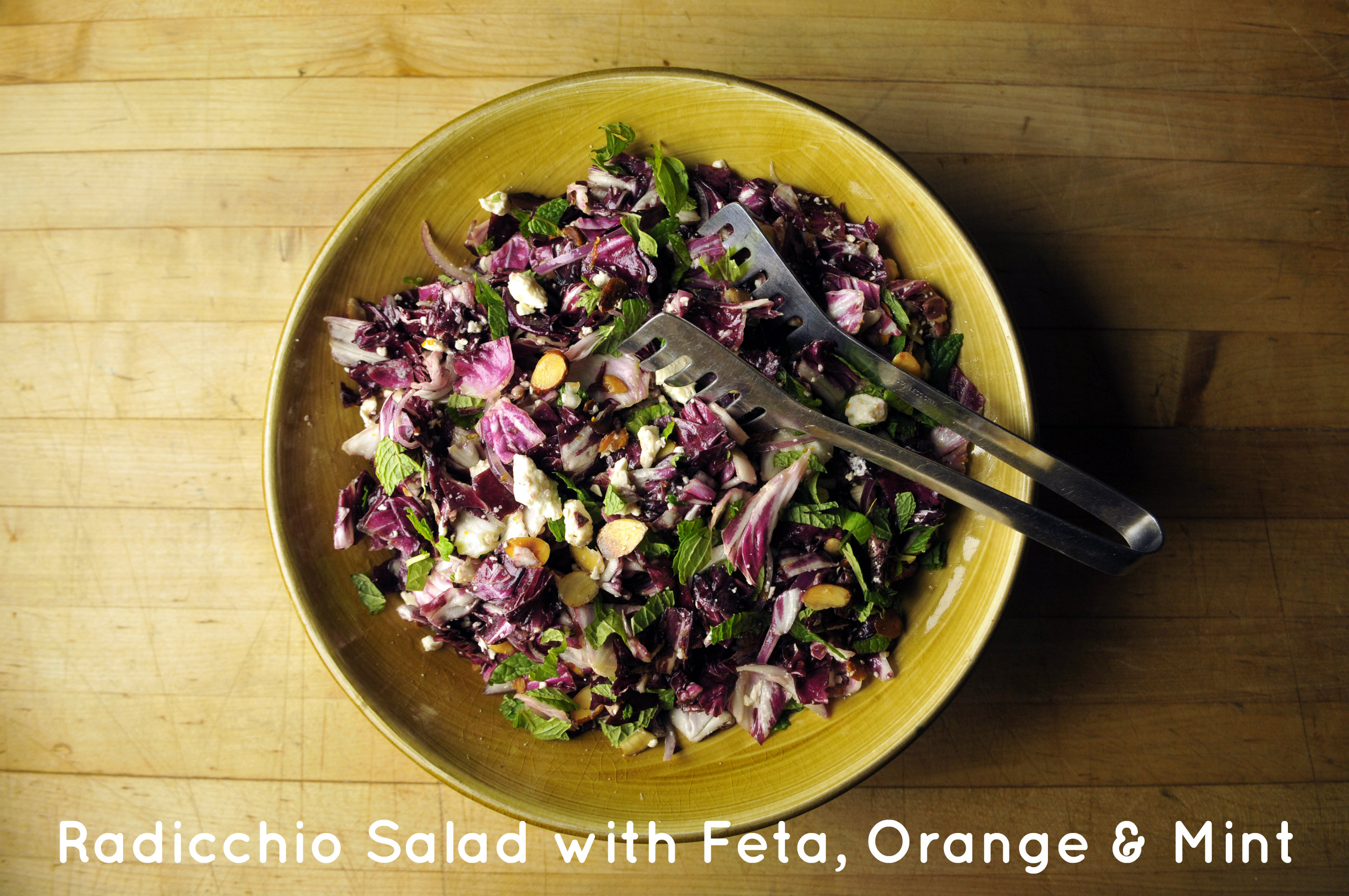
Instead of sticking with your usual grocery selections, visit the farmers market and try new vegetables that may offer more nutrition and bitter properties. Swap in mustard greens for your spinach, add radicchio to your green salad, or even forage for wild foods, such as dandelion greens and burdock root, both of which grow well in southern Wisconsin. Talk to a local farmer or experienced forager who can point you in the right direction for some delicious bitter plants that are in-season and local to your area. Try adding some of the more mildly bitter culinary herbs and spices to your food when cooking, which will offer digestive support with your meals. If you are looking for a more bitter experience, you can use the more strongly bitter herbs in teas, tinctures and capsules. Digestive bitters, also known as Swedish bitters, are a blend of bitter herbs made into a tincture that is a great all-purpose digestive aid, readily available at most health food stores including Willy Street Co-op and Viroqua Food Co-op. Tasting the herbs is an important part of signaling the body’s digestion starting in the mouth, but if you aren’t used to strongly bitter foods or herbs, you could instead start with capsules to receive their benefit. Then acclimate your palate by gradually working up to more bitter flavors in your food.
A major feature of modern living, including the diet, is the lack of physical challenge, which has ultimately made us much less healthy than our ancestors. We have traded challenge and nutrient density for sweetness and comfort, with digestive problems and poor health as the price. The protective quality offered from bitters was helpful in the hunter-gatherer populations for survival and sustained health, and adding these foods back in is an important step toward regaining that ancestral health.
For more in-depth information on using bitter plants, I recommend the book Wild Medicine Solution by Guido Mase, which highlights the herbal uses and health benefits of these foods. Local wild foods expert Samuel Thayer also gives lots of great information on foraging in his book Incredible Wild Edibles. Start out as simple as you need to, but it is truly important to give your body the spring cleaning and nutritional support it needs by adding in more diverse, bitter plant foods.
Get the recipe:
More Stories by This Author

Edible in your mailbox
