


Sorrel, with its bright lemony flavor, is one of the first perennials to come up in spring and last to die off in fall.
I confess I've become a lazy gardener.
Most of my life I’ve been an avid, dedicated and frankly, a rather proud gardener. But a couple of years back, I had two epiphanies that changed all that. First, I finally acknowledged the connection between my habitually bad back and all that bending over in the garden; and second, I realized that my vegetable farming husband, with fields just a few miles from our home, could bring home just about any fresh organic vegetable I wanted.
Back-breaking though it was, gardening had been very fulfilling. But jeez! If my husband could bring home unlimited fresh veggies to fulfill my love of cooking (and eating) while leaving me in less pain and with more free time to boot, well, goodbye vegetable garden!
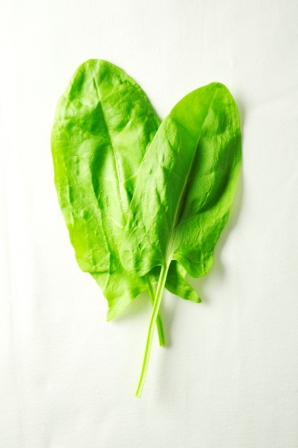
Since abandoning the vegetable garden, I’ve had more time and energy to put into the low-maintenance perennial gardens around our house. They used to be all flowers, but now every spring I seem to dig out more flowers and put in more edibles (turns out I just couldn’t quit completely). One of my favorite perennial edibles has become sorrel.
There are lots of varieties of wild sorrel (which we call weeds, like yellow dock) and a few cultivated ones, but the one I’m talking about, Rumex acetosa, is usually called “garden” or “common” sorrel. It is a clustered leafy perennial with a bright lemony flavor and is one of the first perennials to come up in the spring, sometimes in the snow (I’ve harvested baby leaves before the ground is even workable), and last to die off in the fall. It even thrives most of the winter in our unheated greenhouse.
In the same family as buckwheat, sorrel is an old world plant used as both a leafy salad and a cooking green. Young leaves are tender and mild, their flavor getting more lemony and slightly bitter as they start to send up flower shoots when the weather heats up. To keep new tasty leaves coming, keep those flower stems cut back.
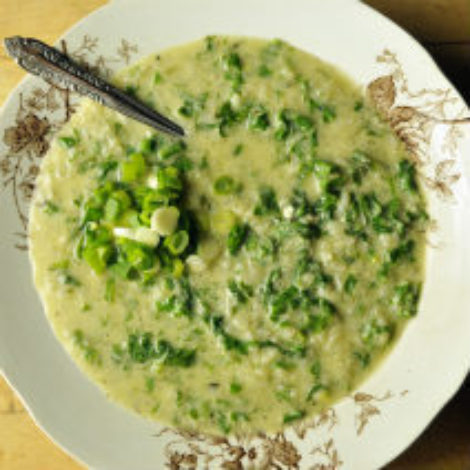
Native to Northern and Eastern Europe, this very cold-hardy green has figured into many hearty traditional winter dishes throughout old Europe. It’s a key component of many classic creamy green soups, like the French soupe aux herbes made with onions, potatoes, leafy green herbs like sorrel and watercress, cream and egg yolks; or the similar Eastern European shav (nicknamed green borscht) that is served hot or cold and garnished with croutons and hard boiled eggs.
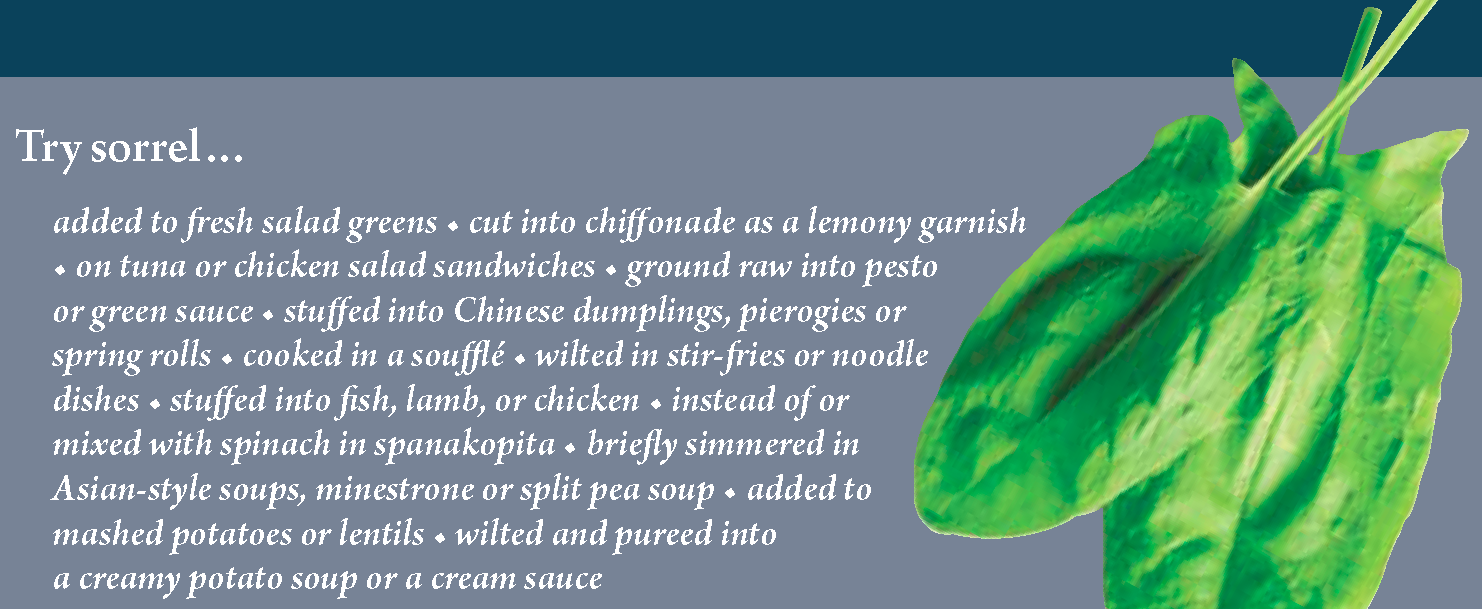
Often it was creamed by itself or with other greens like spinach and eaten with seafood or mashed potatoes and sausages. In Macedonia there’s a dish called sorrel sarma, where sorrel leaves are stuffed with pickled cabbage, onions, rice and minced meat and then simmered in broth.
Sorrel is one of the many wild herbs that sustained centuries of tough and resourceful Cretans, who boiled and ate it daily. In other places in Greece, it’s been used in the filo and cheese spanakopita instead of, or along with, spinach.
In the British Isles sorrel was a common component in mixed salads and raw green sauces used to flavor fish or lamb.
Supposedly the Laplanders of northern Sweden and Finland once used sorrel to curdle and coagulate milk for cheesemaking in the absence of rennet. In very tough times, they would dry and grind the leaves and roots to supplement flour in bread.
As with many plants, European colonization spread sorrel’s culinary usage around the world. In India it’s called khatta bhaji and is cooked like spinach in a variety of dishes. It’s called rau chua in Vietnam, and while traveling around the country last year, I learned that it’s served on the ubiquitous fresh herb platter meant for stirring into soups and noodle dishes. Sorrel’s pungent lemony taste contributes to the intentional balance of flavors found in just about every dish there.
Colonization also created some naming confusion between R. acetosa and a botanical doppelganger: the completely unrelated tropical plant called roselle, or Hibiscus sabdariffa. Roselle has also come to be called sorrel, assumedly because of its similar tart flavor. The flowers and leaves of roselle impart lemony piquancy to drinks and stews throughout West Africa, the Middle East, India, Southeast Asia, the Caribbean and Latin America. Also unrelated to R. acetosa is a plant commonly known as “wood” sorrel, a type of Oxalis which, incidentally, also has edible, tart leaves. All this makes researching sorrel very confusing!
Medieval folk medicine claimed that sorrel (R. acetosa, that is) could cool inflammation, kill worms, cure scurvy, and treat anything from scorpion bites to plague sores. I don’t know about plague sores, but sorrel surely is nutritious. It is high in vitamins A, C, B9 (folic acid), antioxidant phytonutrients, iron and magnesium.
Like spinach and chard, sorrel has a high oxalic content which can upset the systems of sensitive people (especially those with kidney problems or gout). But for the average person, adding sorrel to salads or cooking into dishes (cooking reduces the oxalic content) a few times a week would be no problem.
You probably won’t find sorrel in a grocery store here in the United States due to its relative obscurity and short shelf life. But ask for it at farmers markets or at food co-ops, especially in the spring and fall, or grow it yourself—it’s so hardy it’s nearly foolproof. Ask for seedlings at well-stocked nurseries, dig up a clump from a friend’s garden if they have it, or start your own plants from seed. Seek it out—sorrel just might become one of your favorites, too.
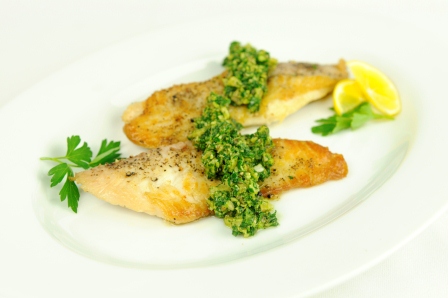
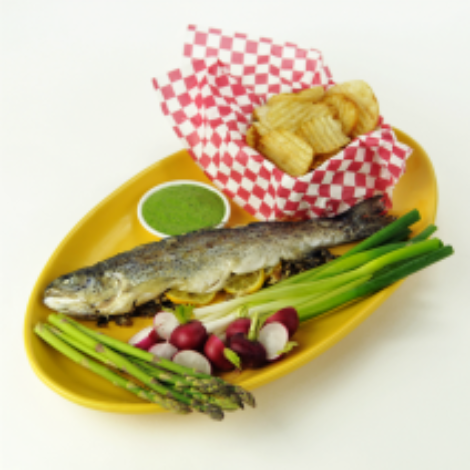
Try Dani's versatile Green Sorrel Sauce on fish, leg of lamb, boiled or roasted potatoes, dolloped on crackers and cream cheese. Be experimental!
Featured Recipes
More Stories by This Author

Edible in your mailbox
