


Running sap means spring in Wisconsin and brings so much sweetness this time of year, both because it is one of the first signs of winter giving way to spring, and because of the delicious nectar this sap will become: maple syrup.
Running sap means spring, at least here in Southwest Wisconsin. From the time of the highly anticipated first thaw to when the leaf buds begin to appear, the sap from the maple trees flows. Even though the ground may still be covered in snow, folks in this area know this is the beginning of something beautiful. That flowing sap brings so much sweetness this time of year, both because it is one of the first signs of winter giving way to spring, and because of the delicious nectar this sap will become: maple syrup.
Not all sweeteners are created equal. Most consumed today are processed and refined to the point where only their sweetness remains and little else. Some, on the other hand, still carry incredible flavor and terroir, and even a bit of nutrition, if you can believe it.
Perfect examples of this are maple sweeteners. Most commonly used in syrup form, maple is one of the few local sweeteners available in this part of the country, and we are lucky to have it here—it is not only low in food miles, but also extremely delicious. In 2019, Wisconsin produced 279,000 gallons of maple syrup for sale commercially¹, which makes us the fourth highest maple-producing state in the nation. Vermont is the top producer, providing just over six percent of the country’s maple syrup².
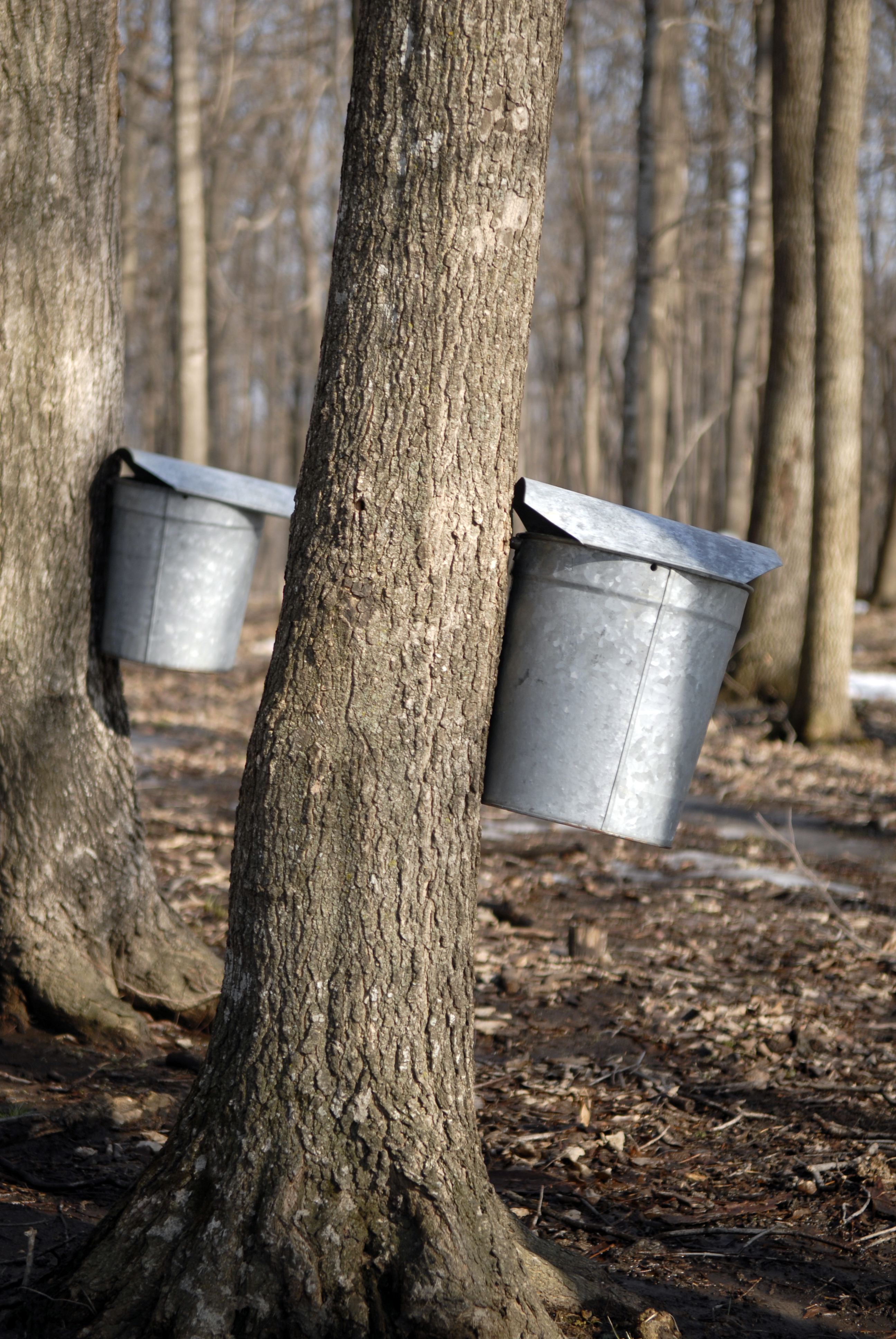
Producing this liquid gold in Wisconsin is nothing new. Syrup-producing trees like the sugar maple are native to this region and have been used by indigenous people for thousands of years. Most ancestral diets, perhaps surprisingly, contained some amount of unrefined natural sweeteners, as these foods provided not only sweetness, but also vitamins, minerals and electrolytes³. Their place in traditional diets shows us that sugar does not have to be considered an evil food. While these were certainly not consumed in the amounts that most people eat sugar today, foods like maple syrup, maple sugar and honey were not vilified but, rather, were revered for the energy and nutrition they offered. These would have been used in sweet foods as well as savory foods like pemmican, meat dishes and stews to add necessary carbohydrates and nutrients along with a flavor boost(3)(4).
Maple syrup contains antioxidants like polyphenols along with a high concentration of minerals and vitamins like manganese, riboflavin, zinc, calcium and magnesium(5). The different grades of pure maple syrup will contain approximately the same amount of nutrients (6), so you can select which type to use based on your personal taste preference. Syrup grades are differentiated by when they are tapped from the tree, their color and how strongly flavored they are. Only choose products that say “pure maple syrup” to ensure you are getting actual maple syrup and its nutritional benefits, rather than cheap maple-flavored, corn-based pancake syrup.
I am confident that high-quality, nutritious sweeteners used in responsible amounts can be included in most healthful diets. Maple sweeteners do still contain a considerable amount of sugar, mostly in the form of sucrose, so diabetics or others with certain medical conditions need to consider this before consuming. For most people, however, maple is great to use when sweetness is needed, and it certainly beats refined sugars in terms of nutritional content, environmental sustainability and food justice issues. Wisconsin maple products not only travel very few miles to get from the tree to your table, but you are also supporting local businesses by purchasing local maple instead of cane sugar from across the globe.
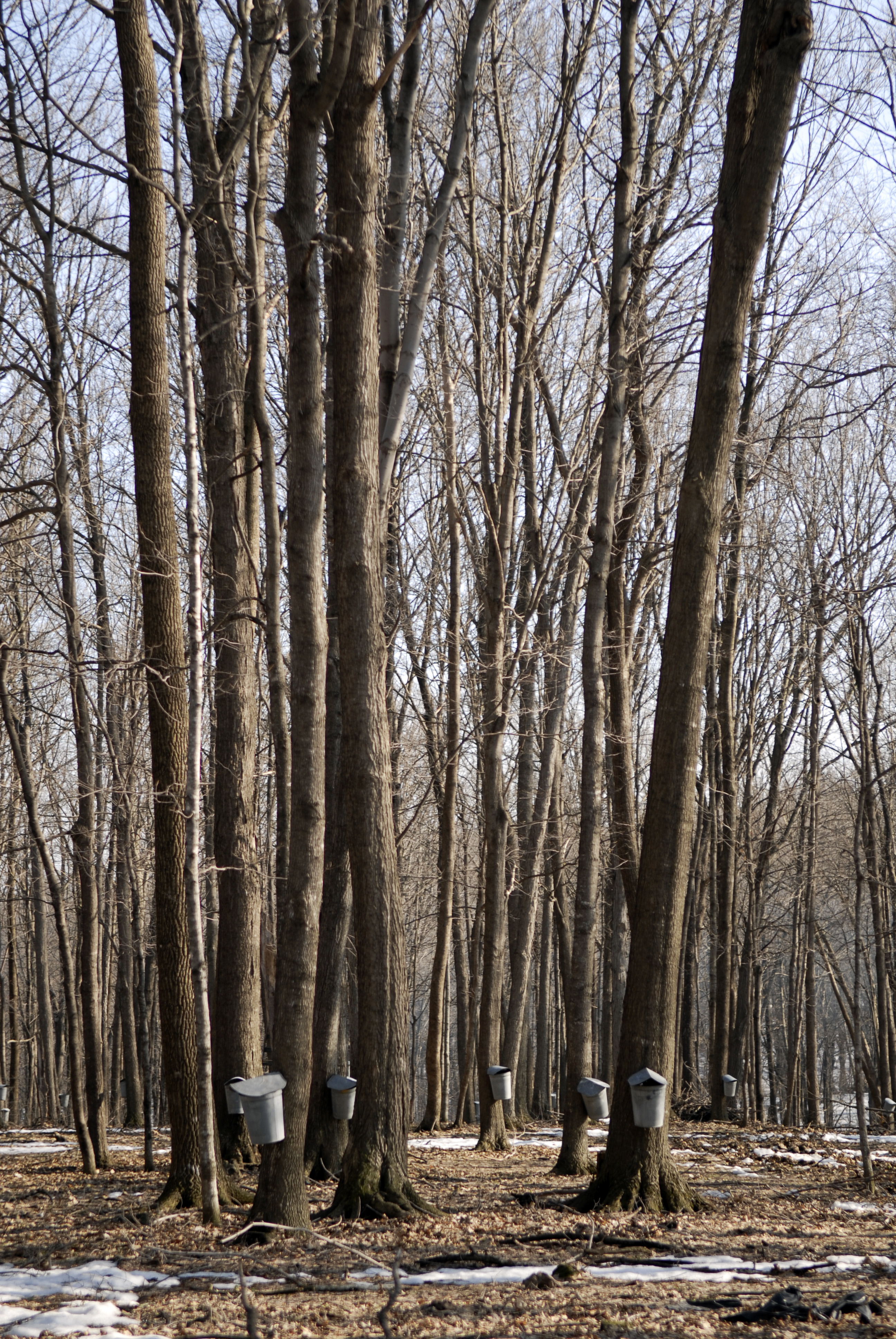
Despite technological refinements to the centuries-old process, turning maple sap into syrup or sugar is not easy. Once tapped from dozens or hundreds of trees growing near each other, called a “sugar bush,” the sap has some work to do to become syrup. The maple sap is cooked down in an evaporating pan, traditionally over a wood fire in a “sugar shack” located right in the sugar bush. With advances in modern technology, the process can be done more quickly by employing electric heat rather than fire, and by using reverse osmosis and higher-tech equipment for cooking and filtering. However, people can still do this at home with traditional wood fires (or on the stovetop) and with a little investment in equipment.
No matter the method, with a ratio of about 40 gallons of sap to make one gallon of maple syrup, it takes a lot of cooking to turn sap into syrup. The syrup is ready when the viscosity and sugar content are just right, measured with a syrup hydrometer. If you want, you can continue to cook the syrup to the crystallization stage and then stir vigorously, which removes almost all of the water and results in dry maple sugar that is much more shelf-stable, requiring no refrigeration. For these reasons, maple sugar was the more traditional form of sweetener used by indigenous people.
Maple syrup can also be turned into other amazing treats like maple cream, maple candy, and even maple vinegar, all formed from further cooking or different preparation methods using the amazing maple sap.
For those wanting to try their hand at DIY maple sugaring, I highly recommend foraging and wild foods expert Samuel Thayer’s book Incredible Wild Edibles(6) for all you need to know on the topic, from tapping maple trees to cooking down your own maple syrup.
If you are interested in purchasing some quality local syrup instead, there are plenty of great options here in our region. Many producers host tours and pancake breakfasts during the season, which have to be one of my favorite ways to celebrate spring’s arrival. You can visit your farmers market or food co-op for syrup from producers in your area, or check online for locally-produced options near you.
Once you have your hands on some high-quality local maple syrup, you can use it in a variety of sweet or savory dishes. Maple sweeteners can replace cane sugar cup-for-cup in most recipes, but if swapping in maple syrup for cane sugar, reduce the other liquid ingredients by one-quarter to prevent your batter or dough from being too wet.
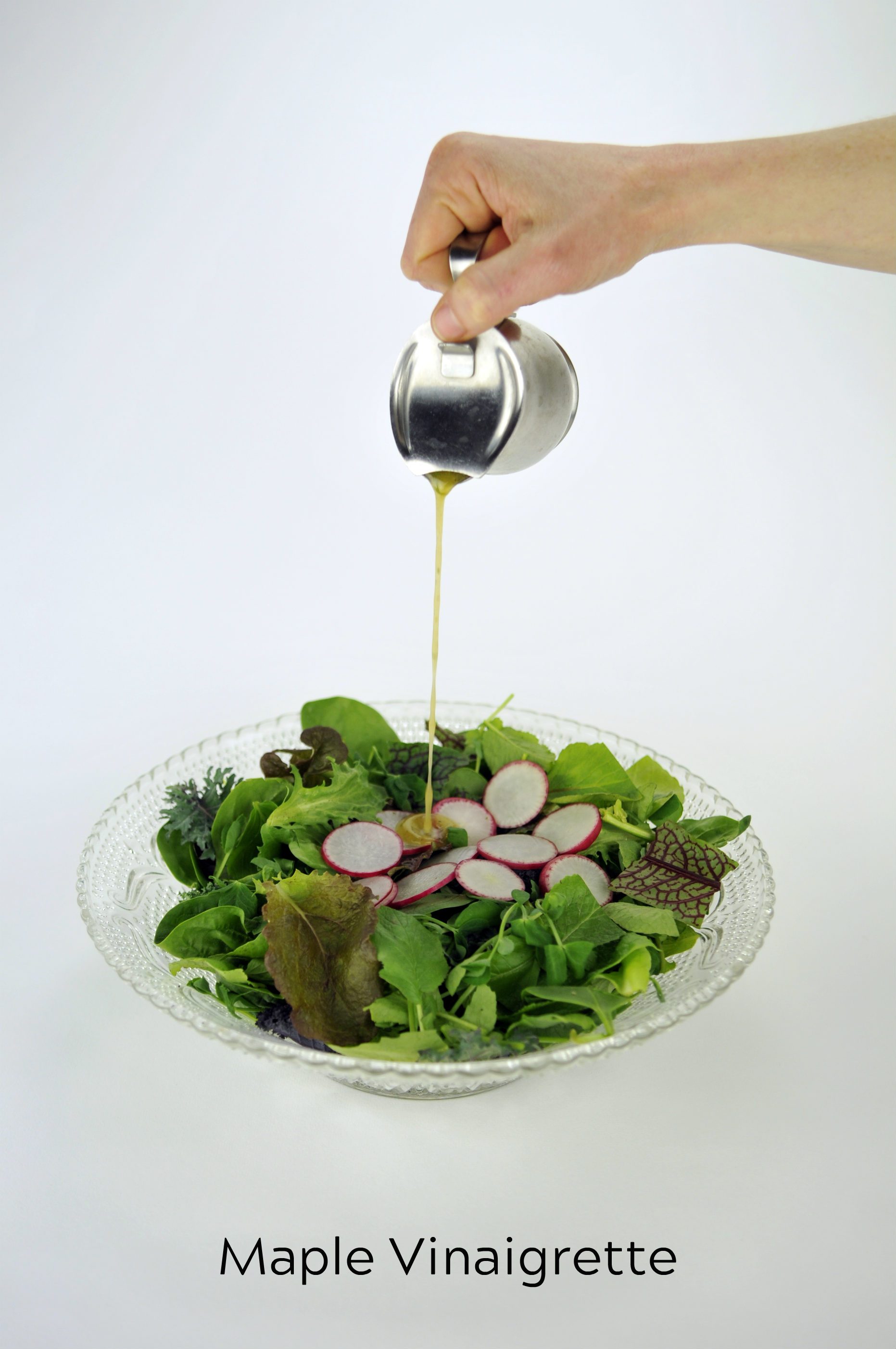
Besides the obvious genius of syrup on pancakes, French toast, and waffles, maple sweeteners are also great in jam, ice cream or pie. Maple syrup or sugar can be used to sweeten coffee, lemonade and tea, and don’t be afraid to use it in cocktails such as an old fashioned or ginger fizz. Maple is also amazing in savory items like vinaigrettes, marinades, curries, chutneys, and anywhere a little sweetness is needed to balance out other flavors.
This season, try using more maple syrup in your recipes to make your food not only more delicious and nutrient-dense, but even more regionally sourced and full of Wisconsin love.
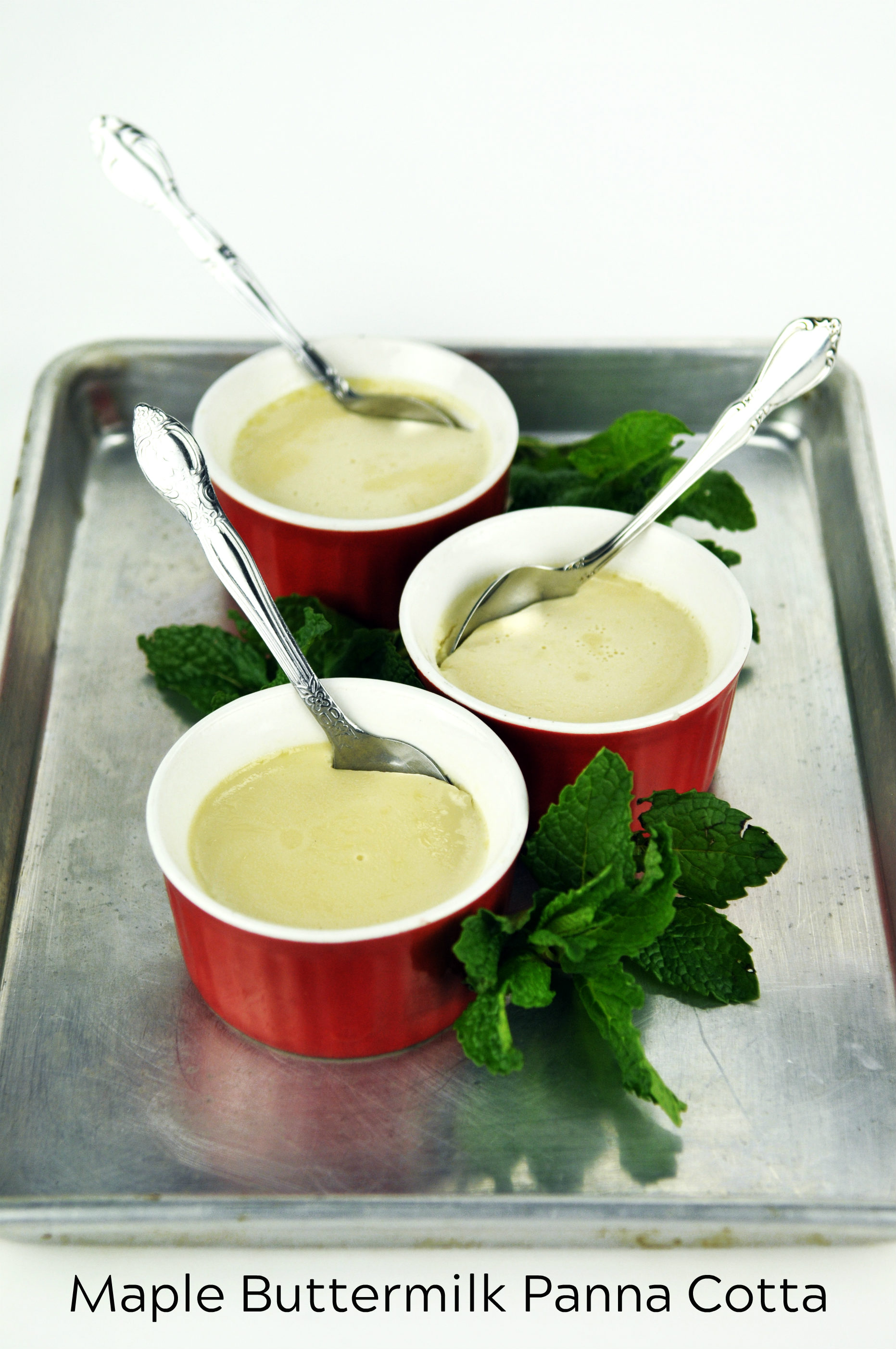
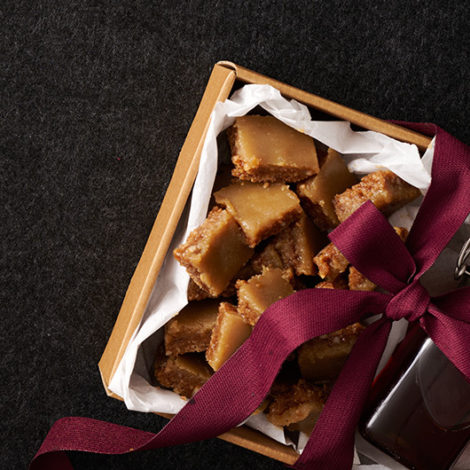
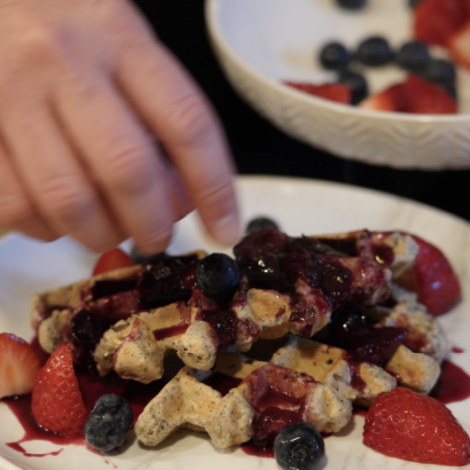
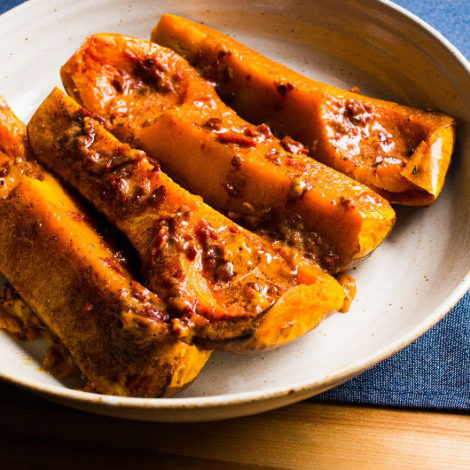
FEATURED RECIPES
1. “Selling Maple Syrup in Wisconsin.” Wisconsin Department of Agriculture, Trade and Consumer Protection. Accessed 25 Jan. 2020. https://datcp.wi.gov/Pages/Programs_Services/ FSMapleSyrup.aspx.
2. "Wisconsin Ag News: Maple Syrup." USDA, June 2018. Accessed 25 January 2020. https:// www.nass.usda.gov/Statistics_by_State/Wisconsin/Publications/Crops/2018/WI_Maple%20 Syrup_06_18.pdf
3. Prentice, Jessica. Full Moon Feast. Chelsea Green Publishing, 2006.
4. Price, Weston A. "Nutrition and Physical Degeneration." Price-Pottenger Nutrition Foundation, 1939 (2008 edition). https://archive.org/details/NutritionAndPhysicalDegeneration
5. "Nutrition and Health Benefits of Pure Maple Syrup: Summary of Information Compiled by the International Maple Syrup Institute." International Maple Syrup Institute, March 2012. Accessed 25 Jan. 2020. http://www.internationalmaplesyrupinstitute.com/uploads/7/0/9/2/7092109/__ nutrition_and_health_benefits_of_pure_maple_syrup.pdf.
6. Thayer, Samuel. Incredible Wild Edibles. Forager's Harvest, 2017.
Featured Recipes
More Stories by This Author

Edible in your mailbox
