

One farm goes full circle with one big edible, fuel-driven idea.
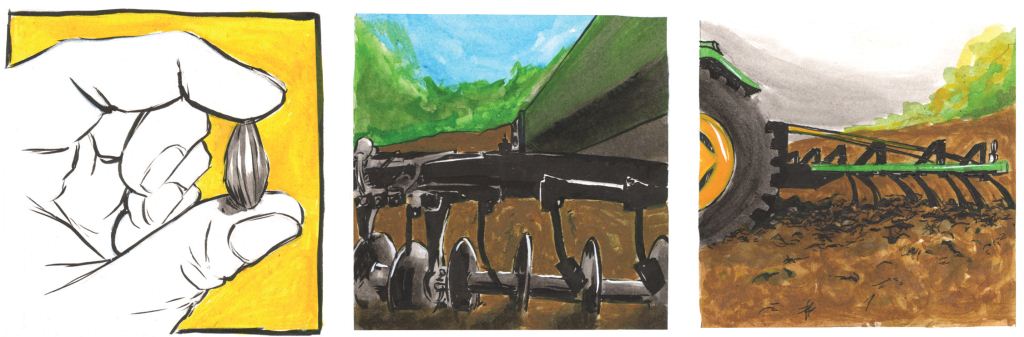
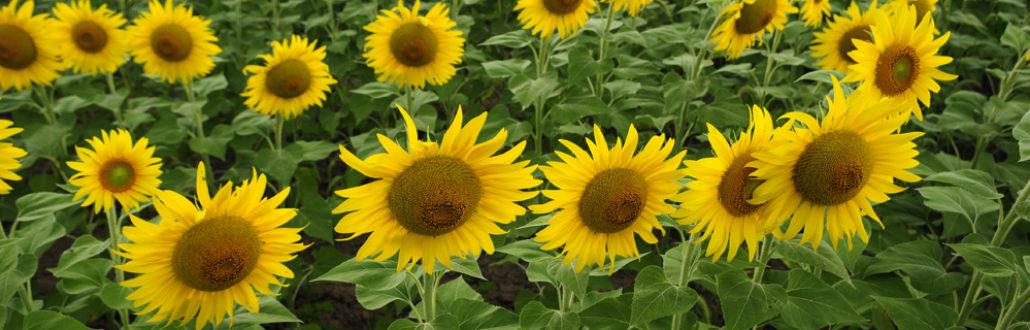
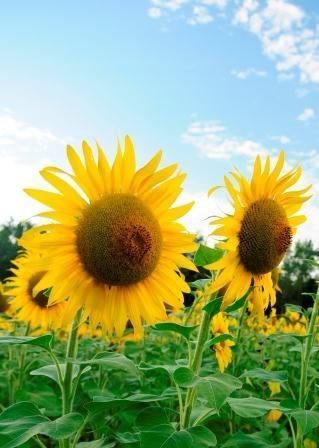
As a child reared on the severely horizontal, shortgrass prairies of the High Plains, standing at the edge of a thousand cultivated acres or wild prairie would open my heart and let it sing. And just at the edge of my small western Kansas town, fields as far as the eye could see rose up in full orange and yellow splendor. Ah! Sunflowers. Row upon row, from dawn’s awake guided by a circadian rhythm; those full-petaled heads would grow, stretching toward the east, like one long salutation with a final, in unison “Namaste” at the day’s closing dusk.
To some, grasslands speak like an ancestral whisper, carried on the winds over a blood orange sky, hurried, sounding as wind does as it shifts through the blues, golds and greens of those deep-rooted prairies. Those whispers call some home, but for others, like me, they push us out into a landscape unknown.
OUR NATIVE SUNFLOWER
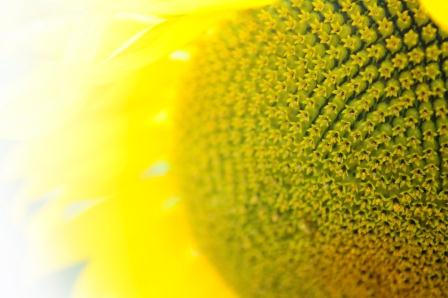
The Incas symbolized their second most important deity, Inti (Giver of Life), with a plant the Greeks later named “Helianthus,” from “Helios” meaning “sun” and “Anthos” meaning “a flower.” With these native origins, the wild sunflower (Helianthus annuus) first rooted in the soils of North America. Indigenous peoples in Mexico and throughout the southwest United States realized its wholesome and flavorful qualities and set about domesticating the plant around 3000 BCE. Thought to bring positive influences to the growth of other garden edibles, the sunflower was planted in combination with the more well-known “three sisters,” corn, beans and squash, and could be considered the forgotten “fourth sister.”
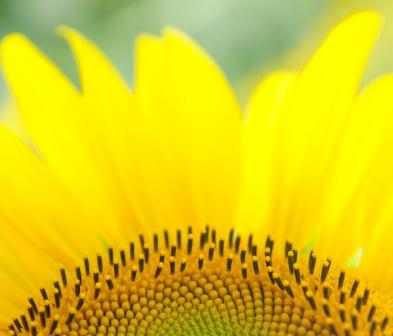
Early varieties produced black, white, red and black, and white striped seeds. Not just for snacking, seeds from the first sunflowers were used in preparing breads and cakes, supplementing vegetable dishes, in skin and hair treatments, and to create yellow and purple dyes for clothes, other fabrics and ceremonial body painting.
Some evidence indicates that parts of the plant were used medicinally. The roots were said to heal snakebites and spider bites as well as alleviate symptoms of rheumatoid arthritis. Sunflower leaf tea was consumed to treat high fevers and lung ailments. As if this happiest of all sun-fueled plants hasn’t proven itself already, the woody stalks of mature plants were used as paper, clothing, building material and fuel for fires. The sunflower is one highly versatile plant with the sunniest of dispositions.
Despite the plant’s many uses, it wasn’t cultivated in North America until much, much later, in the late 19th century. At some point, it was overlooked as a plant worthy of mass cultivation. But Spanish explorers were quick to realize its potential and shipped seed back to Europe around 1500, where it was traded and shared for nearly 200 years, largely grown as an ornamental until the late 1700s when the English started pressing the seed for oil.
The sunflower’s eastward journey continued to Russia, where finally in the late 18th century, the sunflower reached cultivation status for the commercial sale of its oil, largely thanks to Russia’s Peter the Great and the Orthodox Church. When the Orthodox Church forbade oilbased foods during Lent, sunflower oil rose to immediate culinary popularity as it was never recognized by the Orthodox Church as a Lent-prohibited food.
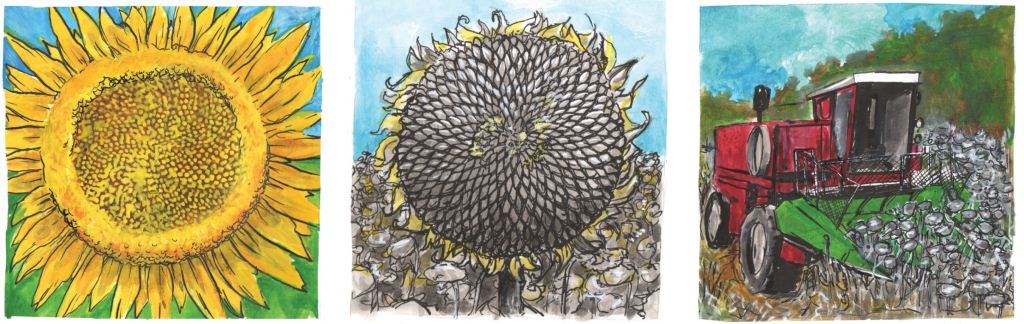
A WEARY TRAVELER COMES HOME
Early in the 19th century, Russia was growing more than two million acres of sunflowers for oil production and human consumption. By the late 19th century, America caught on and summoned its native sunflower home.
By the 1970s, America was growing more than five million acres, much of it channeled to feed Europe’s demand for sunflower oil. Says the National Sunflower Association, the sunflower that we know and love to eat (and to look at) today owes its roots to the Native Americans and the Russians who, through trial and error, attained the early plant genetics, and to the North Americans who achieved successful hybridization.[1]
Today the sunflower is mostly grown on a massive, conventional scale in Nebraska and the Dakotas or to beautify backyard gardens nationwide. But this plant has so much more to offer, and three farmers in southwest Wisconsin have chosen to respect its full potential.
1 Reference for this historical summary taken from The National Sunflower Association, Mandan, North Dakota. www.sunflowernsa.com. Also, Albert A. Schneiter, ed. “Sunflower Technology and Production.” The American Society of Agronomy, No. 35, 1997: 1-19.
FULL CIRCLE ~ FARM TO TABLE TO FUEL
One farm and three of the hardest-working farmers in Wisconsin are passionately bringing the sunflower full circle, proving that this industrious plant can support multiple revenue streams on a small, diversified organic farm.
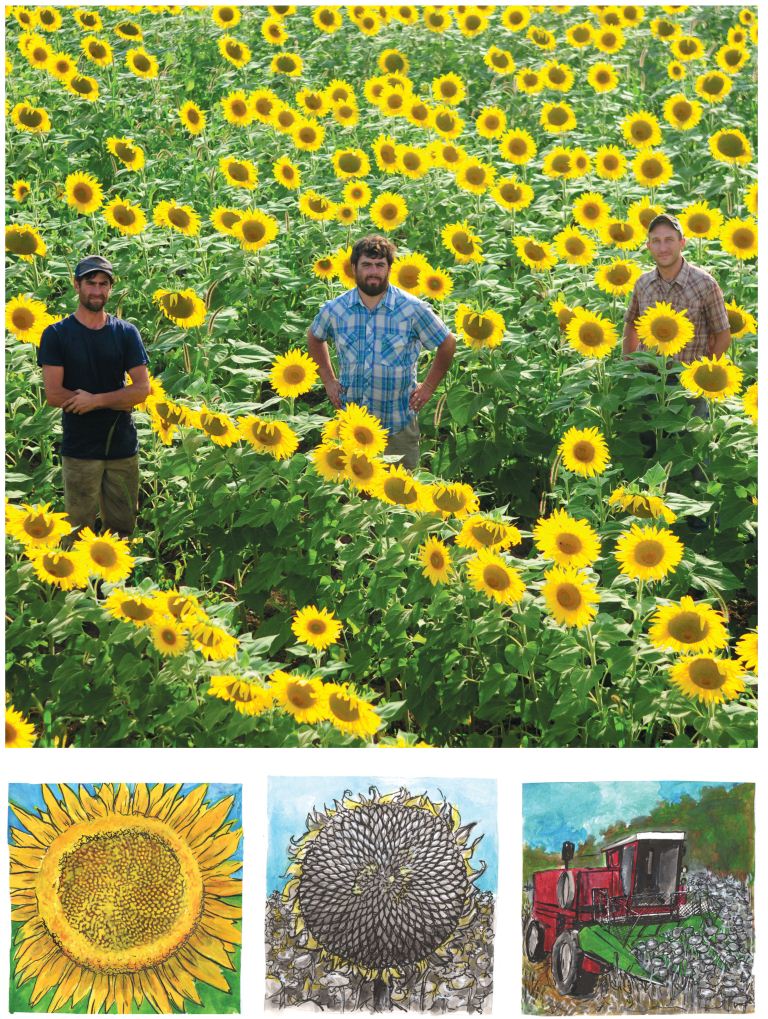
The Driftless Organics farm lies in the heart of Star Valley in Crawford County, stretching from the fertile lowlands that hug Tainter Creek to the steep limestone ridges where 60 acres of sunflowers punctuate the deep green of summer with a flood of bright yellow-orange. Here, brothers Josh and Noah Engel and business partner Mike Lind farm 200 acres of certified organic produce, grains and grass-fed beef, which they market through a 420-member CSA, regional natural food stores and the Dane County Farmers’ Market.
Not immune to the 2007 and 2008 food and fuel crises, Lind and the Engel brothers brainstormed ways to increase the sustainability of their farming operation. One solution was to grow their own fuel to reduce and stabilize their annual farm fuel costs. In addition, they wanted to market a shelf-stable product that would award Driftless Organics with brand recognition 365 days a year on natural food store shelves, as opposed to the limited seasonality of their fresh produce.
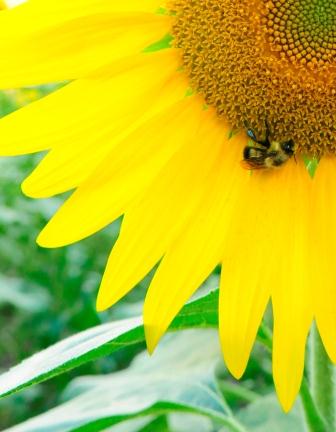
An article on America’s first pumpkin seed oil produced by Hay River Foods in Prairie Farm, Wisconsin, inspired Josh Engel to explore oil-seed production. The sunflower became an obvious choice due to its ability to produce high yields in a variety of conditions, its long storage life of one to two years, and high oil content, often between 30 and 50 percent. Combined, these qualities made sunflowers an excellent choice for both high-grade food oil and biofuel.
In 2007, Driftless Organics planted seven acres of black oilseed sunflowers. Unfortunately, their farm was one of many devastated by not one but two 100-year floods that affected much of southwest Wisconsin within a 12-month period. More than half of their crop was wiped out, but Lind and the Engel brothers got back to work, planting 40 acres in 2008 and investing in a combine and a small seed cleaner.
Growing sunflowers is not without its challenges, especially in the wetter, more humid areas of the upper Midwest, compared to the drier climes of the Great Plains. Driftless Organics had to get familiar with a crop that is not traditionally grown in Wisconsin. Here, sunflowers grow much taller than on the Great Plains, making them susceptible to damage from high winds, called “lodging.” To prevent pests and disease, sunflowers can only be grown on the same piece of land every five years, so the crops are rotated with hay, wheat, rye, corn and soybeans. And because the farm is located in the nation’s largest migratory flyway, less than 15 miles from the Mississippi River, there are plenty of birds looking for a tasty sunflower seed treat. Despite these challenges, they were still willing to take on growing sunflowers given the potential benefits this one plant could yield.
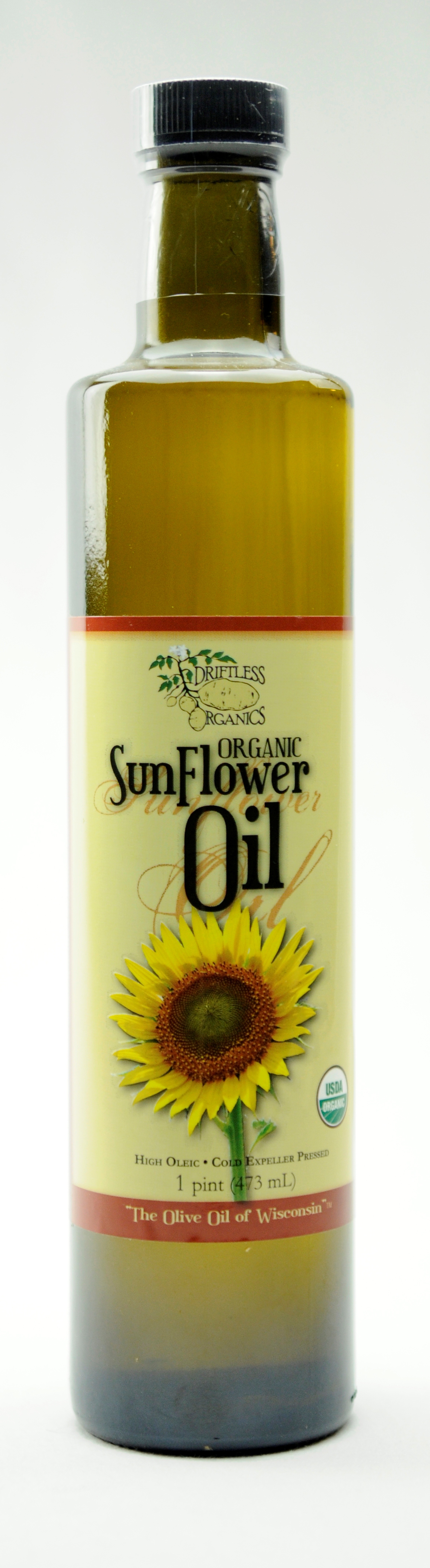
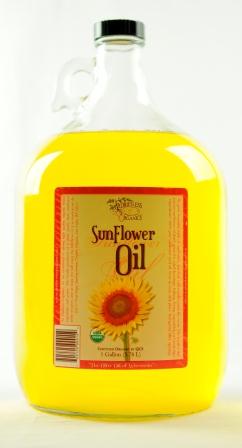
In the fall of 2008, Driftless Organics had 160 pints of high-grade food oil to test market. The marketing design and brand were developed by Lind, a huge cost savings for this start-up venture. Early test runs proved successful, and by 2009, Driftless Organics Sunflower Oil was available to CSA members and for retail sale at natural food stores in La Crosse, Madison, Milwaukee and multiple locations in-between, as well as a half-dozen food co-ops in the Twin Cities. Today, a number of restaurants and food businesses purchase bulk sunflower oil for use in recipes, like Rooted Spoon Culinary in Viroqua, Cress Spring Bakery in Blue Mounds and Gitto Tortillas in Watertown—all of which have a mission to source ingredients locally.
Referred to as “The Olive Oil of the Midwest” by Lind and the Engel brothers, Driftless Organics’ sunflower oil is pressed in small batches by a botanical oil company in central Wisconsin. Unlike other massproduced, multi-country-sourced oils that sometimes carry notes of rancidity indicating low quality, the Driftless Organics Sunflower Oil comes from a single, local and organic source, is cold-expeller pressed in the absence of oxygen, and is full-flavored with a rich, nutty yet sharp quality that I have grown to prefer over my old olive oil stand-by.
In our home kitchen, we use sunflower oil in everything from stir-fries to pasta sauces, salad dressings and marinades, even baked goods. With a stove-top smoke point equal to olive oil (300 to 350 degrees) and much higher for oven roasting, making the switch from olive oil or vegetable oil to sunflower oil is easy and good for your health. Sunflower oil is higher than olive oil in the antioxidant vitamin E and “healthy” mono- and poly-unsaturated fats and lower than olive oil in saturated fats.
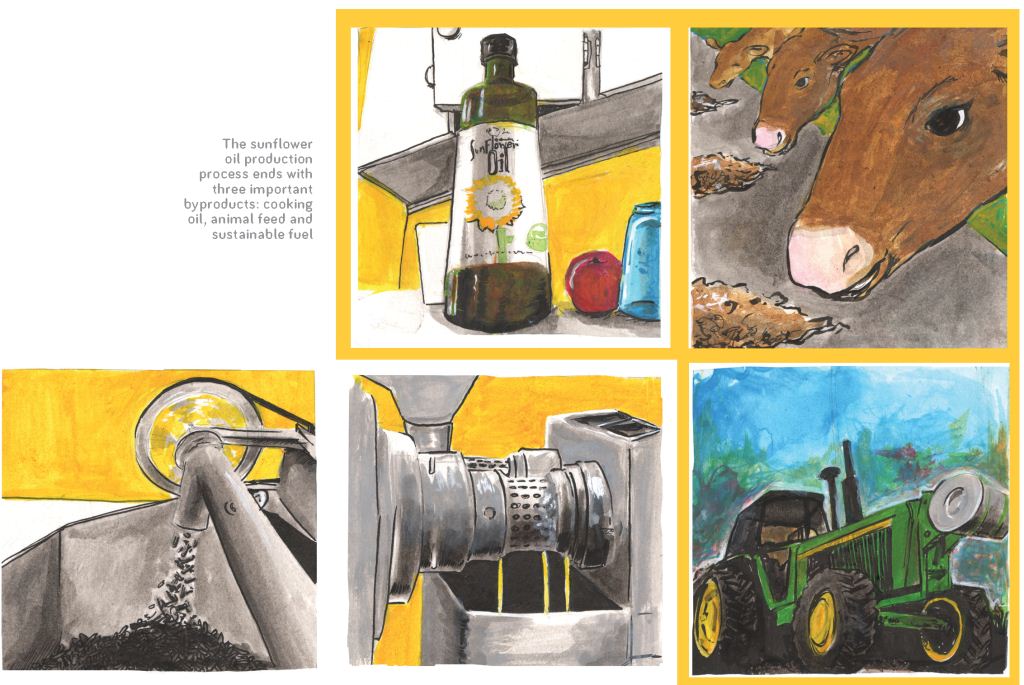
Culinary oil is only part of the picture at Driftless Organics. Seeds not pressed for food grade oil are used to produce bio-diesel or “straight vegetable oil” (SVO). In 2010, Driftless converted their tractor to run on SVO, and they have plans to convert their delivery truck in the near future. The farm’s annual fuel costs run in the neighborhood of $30,000 to $35,000, so producing fuel on the farm presents an excellent cost-savings opportunity. Their five-year goal is to transition 30 percent of their fuel costs to renewable and local sources, which comes to $9,000 to $10,000 annually.
This seems like a lot, and it is, but this goal may not be out of reach. In 2009, the Organic Valley cooperative in La Farge invested in a mobile oilseed biofuel processor—essentially an oilseed press and biodiesel processor all housed in a cargo trailer pulled by a SVO-converted big rig. The mobile processor is shared among organic farmers in southwest Wisconsin who produce their own fuel from non-GMO, organic soybeans, canola and sunflowers. Driftless Organics has access to the mobile unit several times a year, and the fuel is easily stored on-farm in large plastic totes for use throughout the peak season.
The sunflower’s farm-to-table-to-fuel model doesn’t stop there. During the pressing process, the hulls and meat of the seed are extracted into a feed meal that is high in protein and extremely valuable to organic dairies in the upper Midwest. This organic, high protein feed meal is highly marketable during the cold winter months when cows can’t graze pasture and farmers are looking for a feed supplement. Driftless Organics has no problem selling this sought-after by-product, and the income stream nearly pays for the processing of the culinary oil.
So, welcome home, Sunflower! Farmers like Lind and the Engel brothers of Driftless Organics are taking it to the next level, building farm versatility and viability while respecting the land and the consumer. In the end, the farmers are happy, the dairy cows are happy (and full) and we eaters can feel good about consuming our native, incredible, edible sunflower.
For more about Driftless Organics Sunflower Oil, health benefits, recipes and where to buy, visit CookingWithSunflowerOil.com.
Making the Switch
Health Benefits
Versatility
Delicious Flavor
Support the Local Economy
Featured Recipes
More Stories by This Author

Edible in your mailbox
