

Helping women understand ways to properly nourish themselves is something I feel incredibly passionate about and I truly want to shout its importance from the rooftops—especially as so much information and influence online continues to, sadly, pull women in the wrong direction.
One important point when talking about women’s nutrition: women are not just small men. They have a very different physiology because of specific hormones, menstruation, motherhood and even simple differences like muscle and bone mass. Women's nutritional needs reflect these differences and should be cared for as such. Unfortunately, much of the research in nutritional science does not reflect these crucial differences, and it seems science is only recently catching up with what ancient wisdom around the world has always known: during important seasons of a woman’s life, she needs special nourishment and attention to her well-being to support each season.
The special seasons I think deserve the most focus, nutritionally and wellness-wise, are: adolescence, menstruation, pregnancy and breastfeeding/postpartum, and postmenopause. These are a few rites of passage that women go through in our modern culture, and they are the times when a woman’s nutritional needs (among other physical and mental health needs) shift significantly and extra care is called for.
Adolescence: This season is all about big change, both of the mind and body, and the nutritional intake needs to reflect this. General principles and goals of nutrition during adolescence include supporting growth and development, strengthening bone density, maintaining hormone balance, promoting healthy skin and learning how to make healthy food choices on their own as teens become more independent—without demonizing certain foods or nutrients. An extremely important, yet basic, nutritional goal is to get adequate calories and protein, which support overall growth. Undereating during adolescence can be detrimental to the development happening during this stage; focusing on nutritious, regular meals that always include plenty of protein rather than relying on snacks and convenience foods is key for this. The brain is going through a lot of development during this time and it needs plenty of healthy fats to support this. These fats support hormone balance as well, which can ease menstrual symptoms and keep cycles regular. This is also the time to focus on nutrients for bone density, as this is the peak time for girls to build bone in their life. Foods high in calcium, magnesium, collagen, and vitamins D and K are essential for bone health, and it is important to note that weight-bearing exercise is needed to stimulate bone growth—nutrients alone are not adequate to build strong bones. Acne can be a common concern during this stage of life and, while some may be unavoidable and normal, severe, persistent acne problems are usually related to hormonal imbalances, nutrient deficiencies or gut dysfunction—or all three. Foods with plenty of zinc, manganese, B vitamins, vitamins A and C, omega-3 fatty acids and collagen promote healthy skin. Supporting liver and gut function with fiber, polyphenols found in colorful plant foods, probiotic foods and herbs like digestive bitters can also help with skin issues. Sleep, hydration (not with energy drinks!), movement, spending time outside and fostering screen-free social connections are also all important for helping adolescents find balance in both mind and body. During adolescence, encourage nutritious foods to meet these special needs and feel good overall, but avoid any dieting and discourage teens from being overly restrictive with food. This is also a great time to help teens learn to cook, grow food, shop for groceries and learn about food budgeting and meal planning as they prepare to go off on their own. These skills are a much better focus than weight or dieting to help them enjoy good health for a lifetime. Favorite foods for this season: pasture-raised meat, eggs, full-fat dairy, olive oil, avocados, yogurt, root vegetables, leafy greens, bone broth, pumpkin seeds, kombucha, cod liver oil, fish, oysters, citrus and other fruit, liver and whole grains.
Books to learn more: Eat Well and Feel Great: The Teenager’s Guide to Nutrition and Health by Tina Lond-Caulk and No Weigh!: A Teen's Guide to Positive Body Image, Food, and Emotional Wisdom by Shelley Aggarwal, Signe Darpinian, and Wendy Sterling
Menstruation: A woman’s monthly menstrual cycle brings changes to her physical and emotional needs, and diet and lifestyle considerations for this weeklong phase should reflect these. Nutritionally, one of the biggest goals is to replete what is lost during menstruation, especially the 20–30 milligrams of iron lost per cycle on average. Getting plenty of iron-rich foods, along with co-factors like zinc, vitamin A, copper, lactoferrin and riboflavin to help with absorption and utilization of that iron, helps to prevent iron-deficiency anemia. During menstruation, the body needs extra calories; because of this, cravings and overall appetite can increase. Listen to your body and give it the nourishment it needs! Adequate intake of magnesium can help with menstrual cramping and headaches, so bolster intake of whole plant foods during menstruation to ensure this, and look into topical magnesium oil or magnesium supplements if this is an ongoing concern. Walking and yoga are great for these symptoms, as well as staying adequately hydrated. Some women find acupuncture and abdominal massage to help alleviate symptoms like this as well. The week (or so) of menstruation is a woman’s time to cleanse and renew. It’s a new start, after all. This is the time to nourish ourselves well food-wise but also to tend to the whole body; overall self-care should increase—think massages, warm baths and extra rest. There are many herbal teas to support this time and these can be a great addition to your monthly self-care. Healthy menstruation may cause slight decrease in energy or changes in mood due to hormonal shifts, but should not disrupt your whole life. If this is a pattern you see, talk to a doctor, midwife or other healthcare practitioner to address hormonal issues or other imbalances. Favorite foods for this season: grass-fed beef, liver, beets, carrots, leafy greens, sauerkraut and kimchi, fish and shellfish, eggs, whole grains, sprouted nuts and seeds, full-fat dairy and chocolate.
Books to learn more: The Fifth Vital Sign by Lisa Hendrickson-Jack, Taking Charge of Your Fertility by Toni Weschler, and The Garden of Fertility by Katie Singer
Pregnancy and Postpartum: One of the most beautiful, magical, transformative things a woman can go through is creating (and giving birth to) a new human being. And what a nutritionally-demanding task this is! General principles and goals during pregnancy are to support the growth of both mother and baby, keep blood sugar balanced, prevent anemia, ensure proper hydration, address morning sickness and GI changes, nourish the microbiome, support immune function and to be conscientious of food safety. There is an immense focus on nutrient density as calorie needs increase during pregnancy but micronutrient needs increase
even more significantly. Nutrients of concern during pregnancy include choline, vitamin A, iron, iodine, selenium, vitamin D, folate, riboflavin and other B vitamins, vitamin K2, and vitamin E. These nutrients are needed to prevent birth defects and support healthy fetal development, and should be a big focus when planning a healthy pregnancy diet. Animal foods are very important for this season and have been valued in traditional cultures for centuries for their nutrient density. They are pregnancy superfoods, as they provide rich sources of fat-soluble vitamins (A, D, E and K) and numerous minerals like iron, which can tend to decrease later in pregnancy as blood volume increases. Sunshine is a superior source of vitamin D, so get plenty of safe sun exposure during pregnancy (sun that beautiful belly!) along with nutrient-dense foods.
Ensuring plenty of protein greatly supports growth, but also helps with blood sugar balance and even morning sickness. If morning sickness occurs, supplementing with vitamin B6 may help, as can certain herbs and having small, regular, protein-rich meals. Sipping smoothies, milk, broth and teas throughout the day can help provide hydration and nutrients as you move through morning sickness. If excessive vomiting during pregnancy occurs, known as hyperemesis gravidum, see a medical professional to see what steps can be taken to ensure proper nutrition and hydration to avoid serious complications. Hydration during pregnancy is extremely important and becomes even more so later in pregnancy as the blood volume increases significantly. Electrolytes, from food or supplements, help improve hydration status but also support blood pressure regulation and, for some, morning sickness. Keeping blood sugar balanced is an important concern, as insulin sensitivity naturally decreases during pregnancy. Choose nutrient-dense sources of carbohydrates always paired with plenty of protein, fiber and healthy fats for blood sugar management. Exercise can also help with blood sugar; it is important to stay active for a healthy pregnancy, so choose movements that keep you feeling good and strong throughout pregnancy but don’t overdo it. The mother’s microbiome—the ecosystem of bacteria and other microbes that populate the gut and entire body—directly influences that of the baby’s, which can have long-lasting and far-reaching health impacts. Nourishing the microbiome during pregnancy includes eating plenty of fiber-rich, prebiotic foods and fermented probiotic foods as well those pickle cravings are onto something! Another nutrition issue during pregnancy is foods to avoid due to risk of food-borne illness or other issues of toxicity. Notable foods here are high-mercury seafoods like tuna, swordfish and shark, deli meats and soft cheeses, caffeine in high amounts and alcohol.
Once the baby arrives, a mother’s nutritional needs continue to increase to help with healing and, most energy-intensive of all, breastmilk production. Pay special attention to postpartum nutrition, keep taking prenatal vitamins during breastfeeding and ensure lots of hydration for milk production. There are special herbal teas for increasing milk flow, and foods like oats are considered galactagogues, which are supposed to help increase milk production. Most of all, keep stress and activity low and nutrient intake high to keep up milk supply. Simply eating enough can be as important as almost anything else to support birth recovery and milk production—during nursing, calorie needs increase by around 800 calories per day, and some vitamin and mineral needs are higher than even during pregnancy. There are many factors for postpartum depression, including lack of sleep and social support, but nutrition certainly plays a role, including postpartum hypothyroidism or low levels of vitamin D. Proper postpartum nutrition is one piece of the puzzle both for baby and the mental and physical health of the mother. Favorite foods for this season: eggs, cheese, yogurt, whole milk, butter, pasture-raised meats, liver, low mercury fish, crab, oysters, cacao, mushrooms, seaweed, avocado, stewed fruits, sweet potatoes and root vegetables, cod liver oil, dates, unrefined sea salt, Brazil nuts, sesame seeds, broths and soups, leafy greens, berries, oats, congee, lacto-fermented pickles, sauerkraut, kimchi, coconut oil and ginger. Books to learn more: Real Food for Pregnancy by Lily Nichols, RD; Awakening Fertility, Nine Golden Months and The First Forty Days by Heng Ou
Postmenopause: Women go through many journeys throughout their life, but the postmenopausal season seems to get the least amount of attention—there certainly aren’t enough “I am through menopause!” showers, if you ask me, or any true rites of passage for that matter. During this season, a woman’s health needs change along with everything else. The nutrition principles for postmenopause mainly center around preventing bone and muscle loss, healthy weight maintenance, supporting blood sugar balance, cardiovascular health and digestive function. Overall, calorie needs decrease postmenopause, and appetite often follows, so prioritizing nutrient-dense foods, especially protein- and fiber-rich foods, is key to getting adequate nutrients within the body’s calorie needs. During this season, a major goal is to keep up protein intake to prevent muscle loss. Adequate protein and physical activity also help prevent bone loss, a major health issue for postmenopausal women due to the natural decrease in estrogen. Adequate intakes of calcium, magnesium and fat-soluble vitamins A, D, E and K help maintain bone density. These nutrients should be paired with weight-bearing exercise like yoga, strength training and walking as well to help prevent loss of both muscle and bone. Exercise during this time of life should focus on balance, strength and mobility to support aging gracefully and help prevent injury and falls.
Supporting brain health through aging is important for memory and cognition. Foods like fish and pastured eggs that are rich in omega-3 fatty acids and choline are great for brain health. As we age, changes in digestive function can occur. Include a variety of colorful plant foods for polyphenols, ample fiber (at least 25 grams per day for women) and fermented foods to support digestive function and prevent issues like constipation. A decrease in stomach acid that often occurs with aging can also lead to lowered absorption of vitamin B12, so be sure to include plenty of animal foods to provide this. Sleep issues can arise with the hormone changes of menopause, and while poor sleep can be difficult on its own, inadequate sleep can affect many health outcomes—including mood, mental health and even memory—so work to get enough sleep and make sleep hygiene a priority during this phase. If symptoms of menopause become uncomfortable, such as hot flashes or disrupted sleep, there are many herbs available that support the body’s transition of hormones during menopause. Look for a practitioner that can help as a resource for finding the right formulas for you. Many women find the numerous changes that occur around this change of life add unwanted stress, and mindfulness work, meditation, prayer and other practices can be incorporated to help center and adjust to these upheavals in life. For keeping healthy both physically and mentally during this season, it is so important to find ways to stay active and engaged in a variety of ways to make this season one of freedom, wisdom and gorgeous gray hair. Favorite foods for this season: yogurt and kefir, lean animal protein, fish and shellfish, walnuts, eggs, bone broth, beans, cinnamon, whole grains, colorful vegetables and berries.
Books to learn more: The Menopausal Years: the Wise Woman Way by Susan Weed, The Great Menopause Myth by Kristin Johnson
While each of these phases is unique, there are some common themes, including that women have been undernourishing themselves for far too long. This is due to (including but not limited to): influences from the media, diet culture, lack of proper studies, misinformation about nutrition and lack of understanding and compassion for the needs of women’s health. There are also themes that flow through each season, including the absolutely essential inclusion of nutrient-dense animal foods, healthy fats, a diversity of plant foods and, quite simply, eating enough nutrients in general. In the current culture of “skinnytok,” plastic surgery and social media filters, it is no small feat for women to dare to be well-fed. Of course, addressing further realms of well-being, including movement, time in nature, mental health and social support must be part of the picture as well. Once we can start supporting women through understanding and encouraging adequate nutrition and self-care, society as a whole will be much better and women can thrive as they are meant to. We are powerful beings—let’s start eating like it!
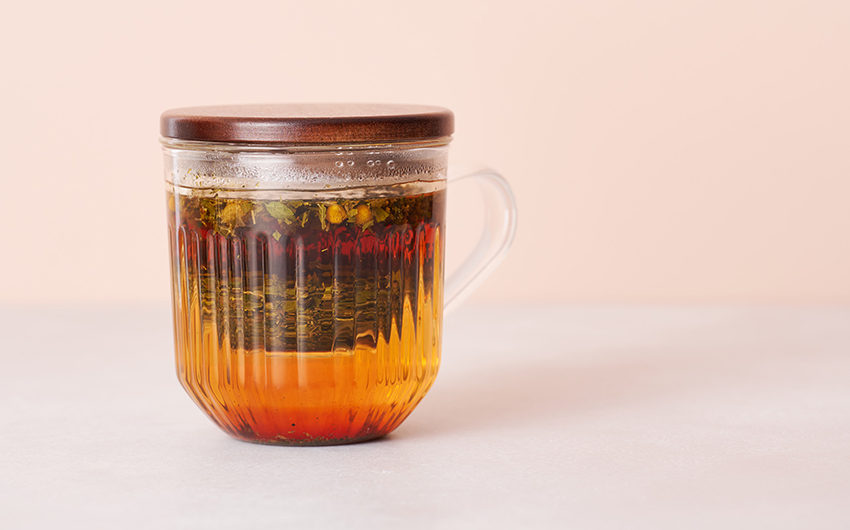
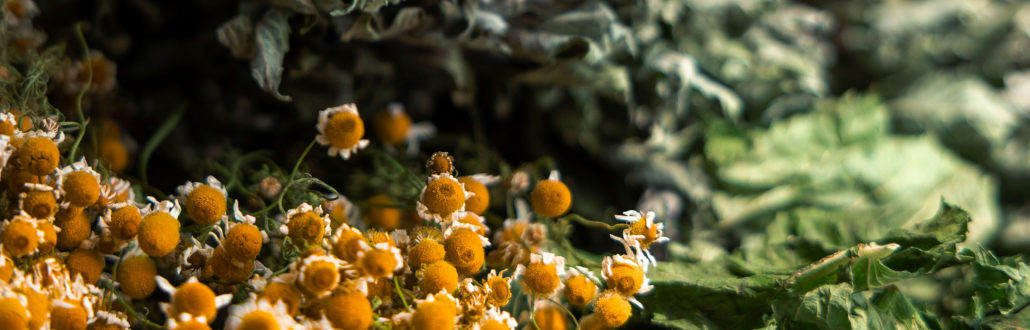
Mineral Mama Tea
This mineral-rich tea is great for supporting the body before, during and after pregnancy. It can be made in large batches and kept on hand to have a warm, soothing cup of tea whenever you need it. These herbs can support digestion, soothe the nervous system and ease some pregnancy symptoms. Though these herbs have been used by mothers for centuries and are generally considered pregnancy-safe, some practitioners recommend avoiding herbs during the first trimester. If you are pregnant or nursing, be sure to consult your healthcare provider before adding in this or any herbal remedies.
More Stories by This Author

Edible in your mailbox
