

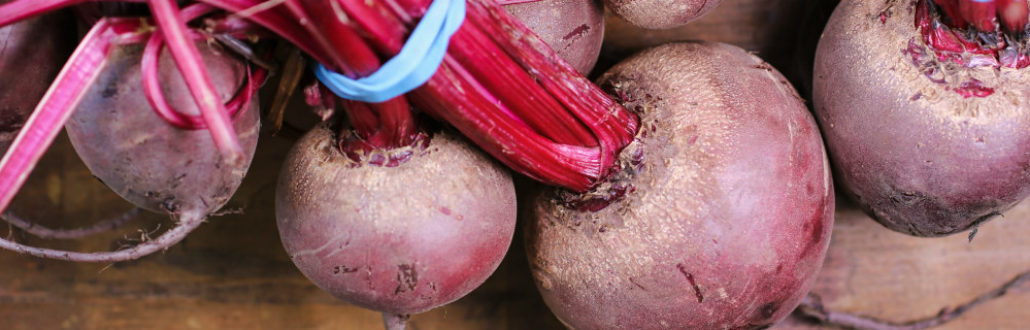
Kvass is a great way to highlight the humble beet, taking it from oft-shunned root vegetable to sought-after tart and tasty tonic prized for its medicinal properties.
There is something mysterious and alluring about blood-red beet kvass. Along with the color, the combination of sweet, earthy and briny flavors makes kvass stand out from other beverages and draws even beet-haters to try a taste. Kvass is a great way to highlight the humble beet, taking it from oft-shunned root vegetable to sought-after tonic prized for its medicinal properties.
For the unfamiliar, beet kvass (pronounced kuh-voss) is a tart and tasty fermented tonic made from soaking beets in a saltwater brine, often augmented with a starter culture, which leads to lacto-fermentation by lactobacilli bacteria. It differs from other brine-fermented vegetables because it uses a higher ratio of liquid to veggies to create a fermented beverage rather than pickled beets.
Various types of kvass exist, hailing from different areas in Eastern Europe. In Russia, kvass is typically made with day-old bread or sometimes fruit, but this beet-centric version is usually attributed to Ukraine.
I love this ferment because it is extremely simple to make, which is great for beginning fermenters, but I also value it for its nutritional quality and deliciousness, of course.
This is a great ferment to make in the winter, as beets store well over these colder months. Plus, when there is less fresh, local produce around, root vegetables shine in our kitchens. The more colorful our fruits and vegetables, the more phytonutrients they generally contain, and beets’ beautiful red color denotes their high antioxidant content, such as betanin.¹ These help protect our bodies from cell damage by free radicals from environmental toxins.
Antioxidants are not the only reason beet kvass is such a nutritional gem. Kvass and other fermented foods, like sauerkraut, yogurt and miso, are wonderful to have as a regular part of the diet during cold and flu season.² Thanks to fermentation, kvass is rich in beneficial bacteria, yeasts and enzymes that enrich the body’s microbiome, the ecosystem of microbes in the body, which aids immune function—a welcome benefit at this time of year. A robust microbiome also improves digestion, lowers inflammation and increases nutrient absorption, in part due to the lactobacilli provided by lacto-fermented foods in the diet.
Beet kvass is also nutrient-dense, even compared to other vegetables and ferments, because of beets’ high vitamin and mineral content, including magnesium, manganese and vitamin C³* along with trace amounts of vitamins B12 and K2. Beets are a source of betaine, needed for healthy nervous system function, liver health and energy production. Beets also promote digestion because they are rich in fiber, giving kvass a boost of prebiotics, the specific type of fiber that feeds beneficial microbes and promotes their growth.
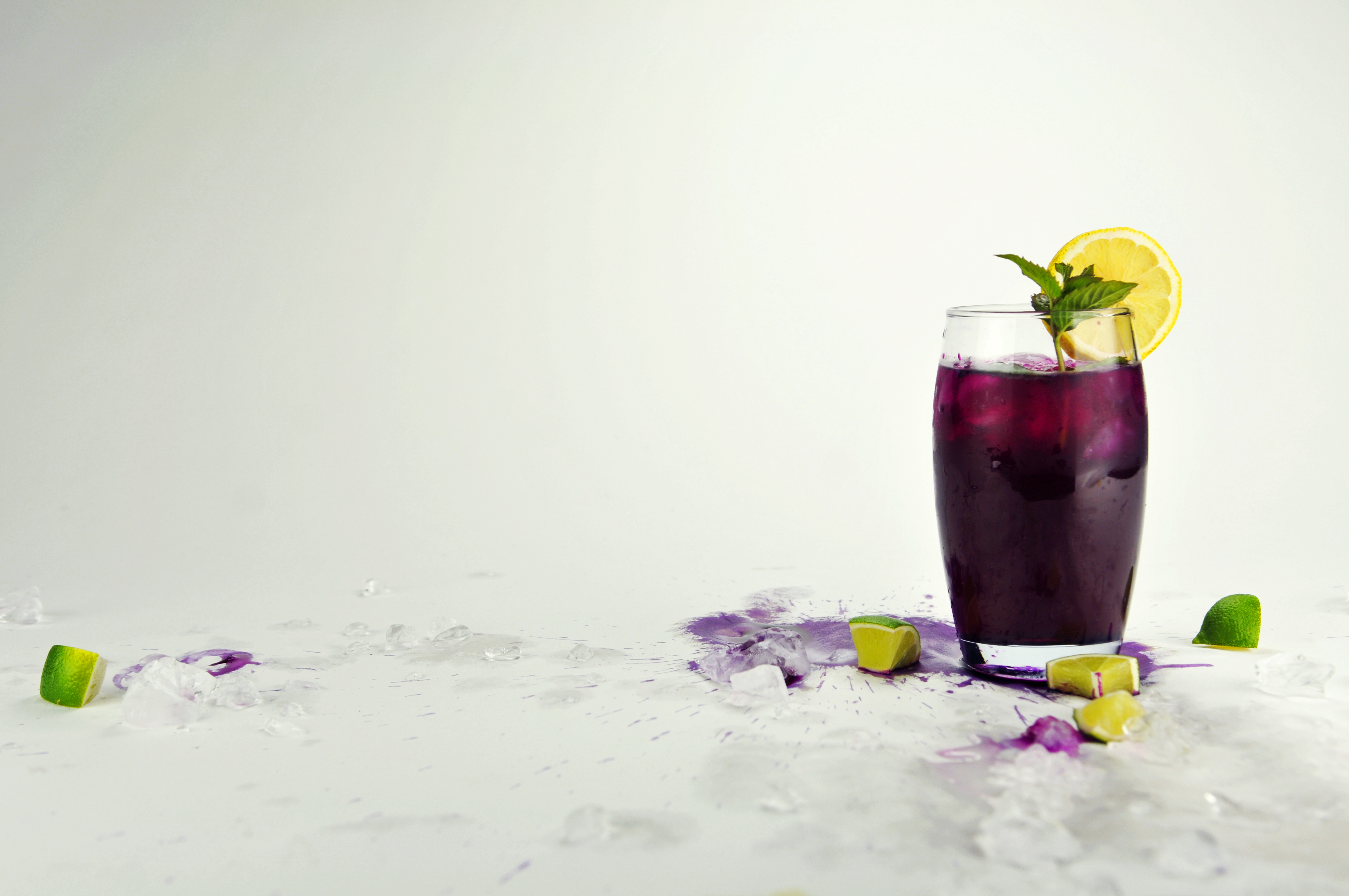
Finally, the beets’ potassium content and use of unrefined salt in the fermentation make beet kvass a source of natural electrolytes to keep you hydrated after sweating in the sauna or shoveling that driveway...again.
You can make this beautiful ferment at home simply by chopping fresh beets and submerging in a brine, then waiting for nature to do its work. We’ve provided a recipe, but here are a few important things to note before you begin.
First, be sure to dice rather than grate your beets. Because beets are so naturally high in sugar, grating or shredding them releases extra beet juice compared to dicing, and this extra sugar can make your ferment tend toward yeast rather than bacterial fermentation (in other words, it will be a bit boozy, and not in the good way).
The fermentation process can take five to seven days, or as little as two to three days if using a starter culture. A starter culture, such as whey strained from plain yogurt or a bit of sauerkraut juice, inoculates the brine with already-thriving lactobacilli to make the fermentation occur more quickly. This is similar to adding sourdough starter to dough for leavening bread, or adding a bit of prepared yogurt to milk to culture it into a batch of yogurt.
Certainly, kvass can be made via wild fermentation, without the use of added starters. This uses the bacteria that already live in and on the beets. Although wild fermentation is totally doable and a bit simpler to start, I have found more success with using a starter. It cuts the fermentation time in half and decreases the chances of growing mold or unwanted yeast.
Whether using a starter culture or not, check on your kvass regularly in case mold or yeast begins to form. In that case, toss it out and start over just to be safe. There are variations on beet kvass you can make, especially once you master the basic version. They can go savory or sweet, depending on your preference. I typically add fresh ginger root and a bit of lemon or lime juice, which adds some acidity and sweetness to brighten the salty and earthy flavor the kvass has on its own. You could also add other herbs or spices, such as caraway or dill. Fruit such as apples or berries make tasty additions, but be extra watchful for mold when adding more sugar from fruit to the mix. You can also swap in golden beets for the traditional red beet and throw in some fresh turmeric root, creating a beautiful golden beet kvass that is milder in “beet” flavor and adds the medicinal properties of turmeric.
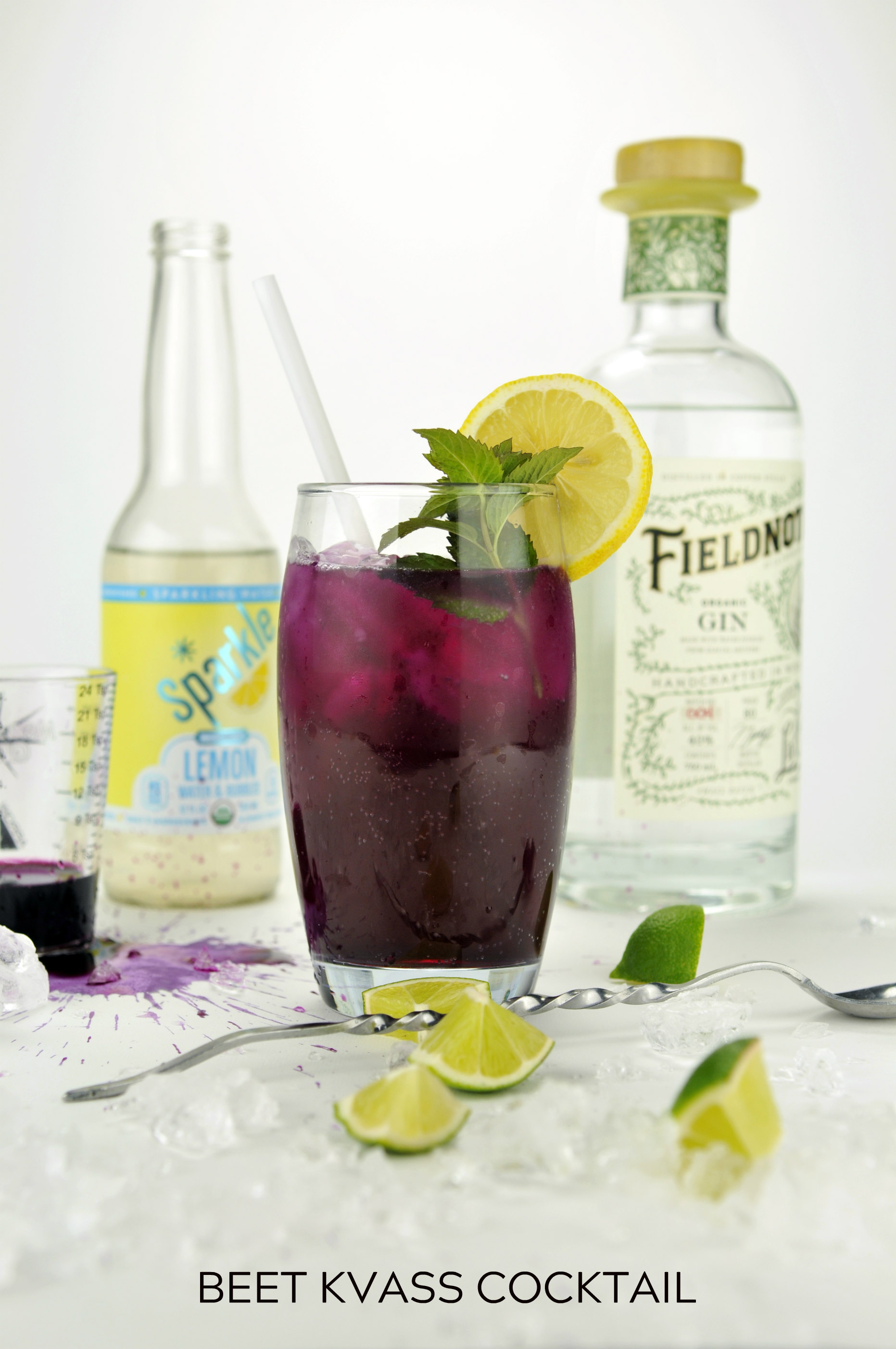
Kvass is best enjoyed in small amounts, typically four to six ounces, as it can be quite strong. It is meant more as a tonic rather than a beverage to drink by the cupful. You can consume it as-is, preferably before or after a meal to aid digestion, or stir it into borscht or other soups after they have cooled slightly, just before serving, to avoid killing the probiotics. It is also nice as a spritzer with sparkling water or, even better, added to a bloody mary or other favorite cocktail. It is winter in Wisconsin after all—let’s get medicinal with our winter warmers!
1. Phytother Res. 2017 Jun;31(6):871-884. doi: 10.1002/ptr.5819. Epub 2017 May 2. C-Glycosyl Flavonoids from Beta vulgaris Cicla and Betalains from Beta vulgaris rubra: Antioxidant, Anticancer and Antiinflammatory Activities-A Review. Ninfali P1, Antonini E1, Frati A1, Scarpa ES1.
2. Crit Rev Food Sci Nutr. 2014;54(7):938-56. doi: 10.1080/10408398.2011.619671. Immune system stimulation by probiotic microorganisms. Ashraf R1, Shah NP.
3. Front Chem. 2018 Jan 4;5:128. doi: 10.3389/fchem.2017.00128. eCollection 2017. Determination of Mineral Constituents, Phytochemicals and Antioxidant Qualities of Cleome gynandra, Compared to Brassica oleracea and Beta vulgaris. Moyo M1, Amoo SO2, Aremu AO3, Gruz J4, Šubrtová M4, Jarošová M5, Tarkowski P5,6, Doležal K4.
* U.S. Department of Agriculture, Agricultural Research Service. FoodData Central, 2019. fdc. nal.usda.gov. https://fdc.nal.usda.gov/
FEATURED BEET KVASS RECIPES
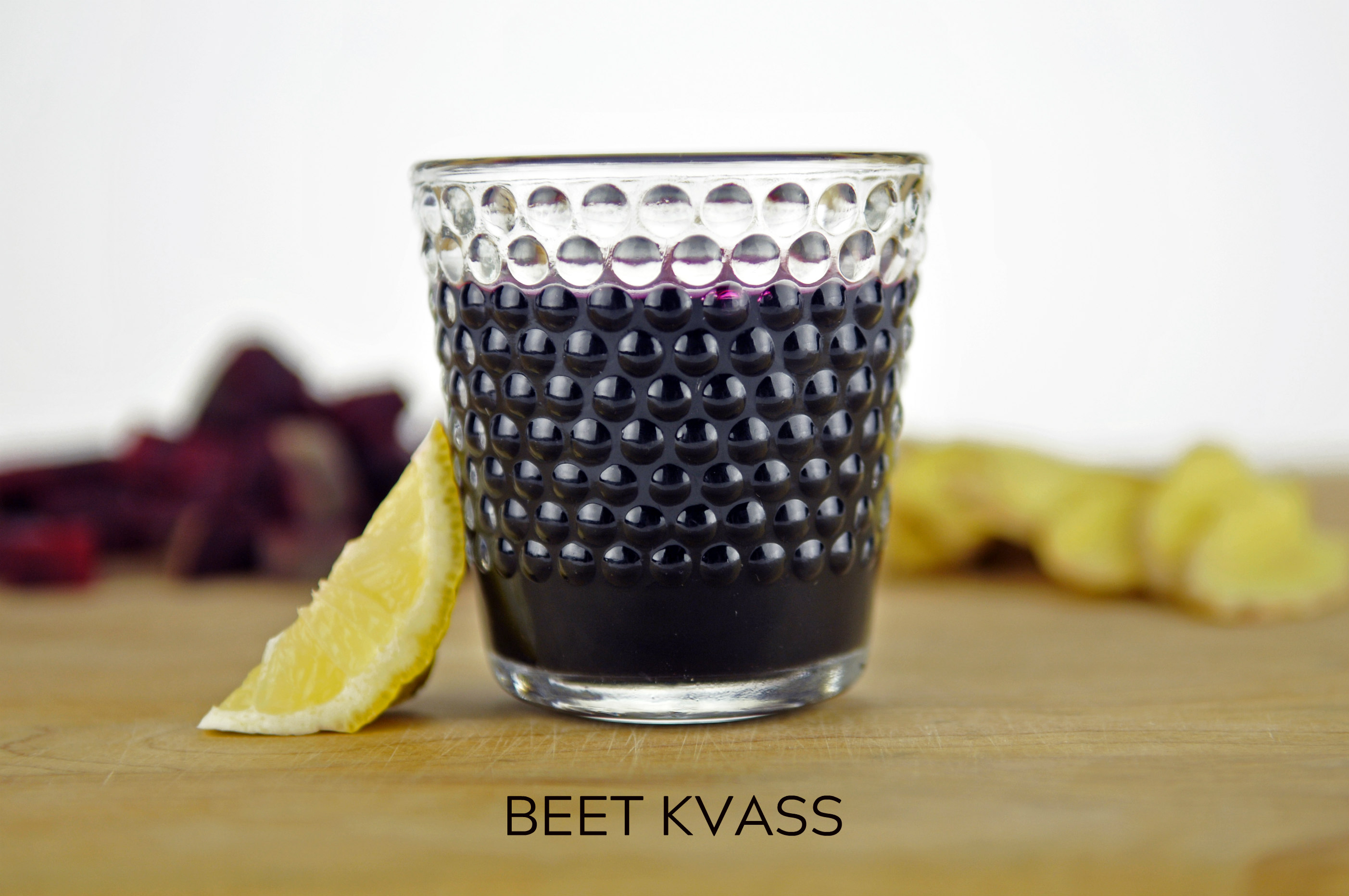
Featured Recipes
More Stories by This Author

Edible in your mailbox
